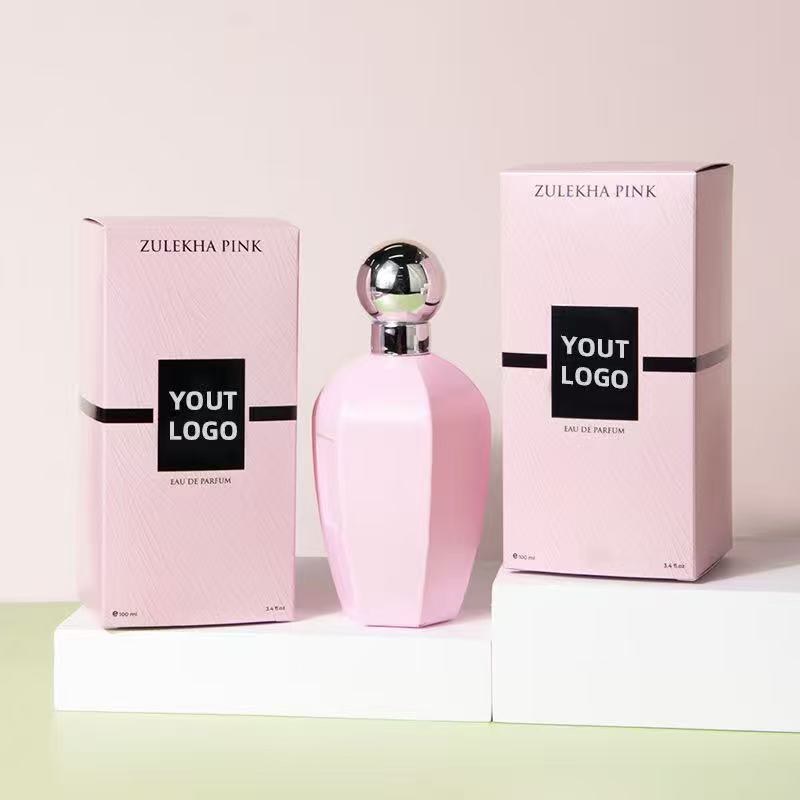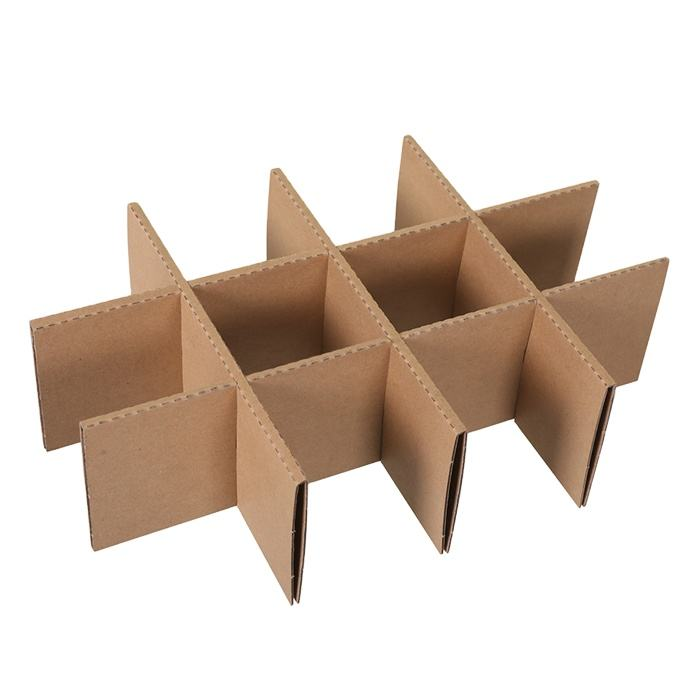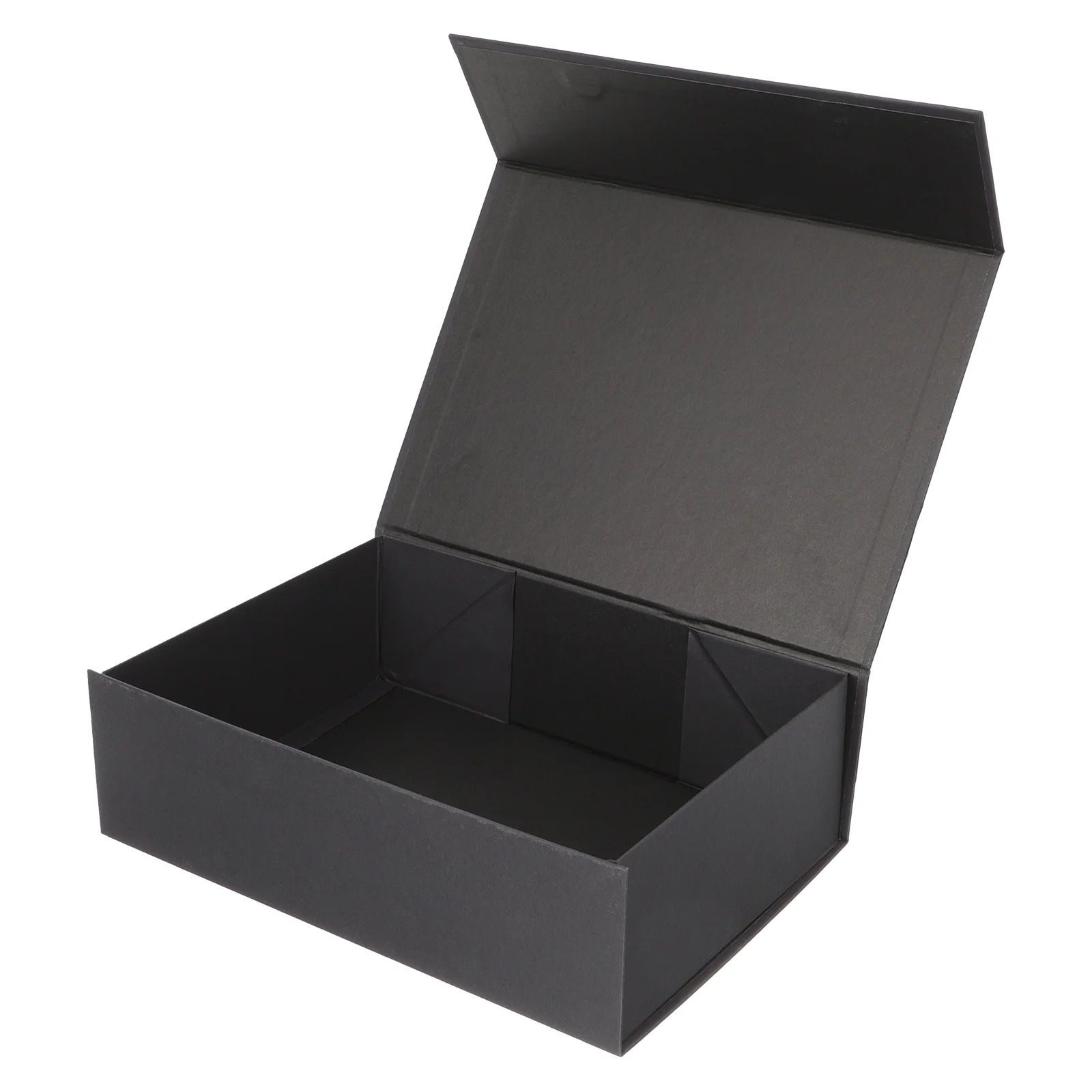
The beauty packaging industry is evolving faster than ever. What worked in 2020 will not work in 2026. Consumer expectations have shifted. Die Vorschriften wurden verschärft. And materials have improved. For cosmetic brands, keeping up with beauty packaging trends is no longer optional—it is essential for survival.
This article examines three major trends that will define beauty packaging in 2026: Nachhaltigkeit, sensorial experience, und Einhaltung gesetzlicher Vorschriften. Each trend presents both challenges and opportunities. Brands that embrace these beauty packaging trends will gain competitive advantage. Those that ignore them will fall behind.
Let us explore how beauty packaging is transforming and what your brand should do about it.
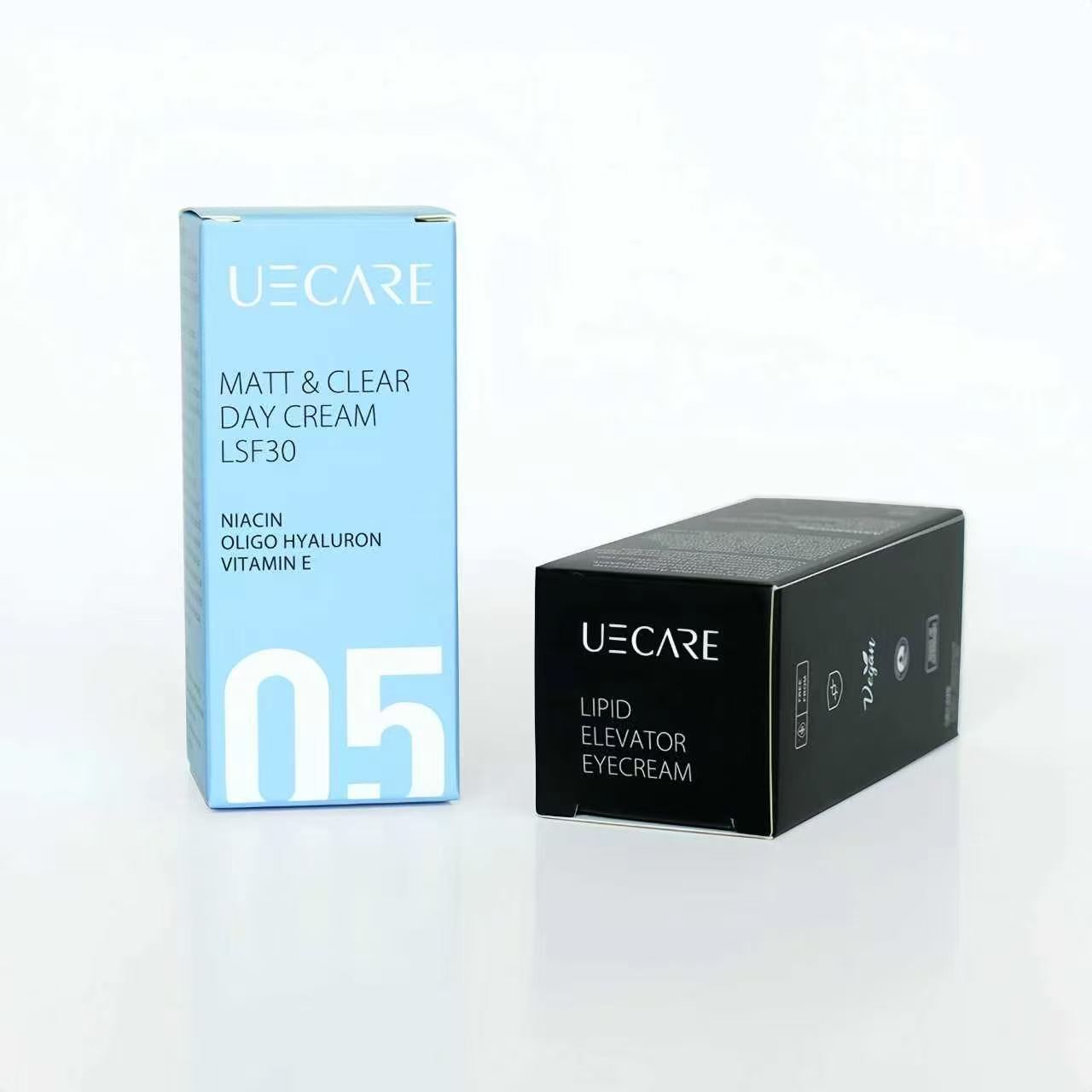
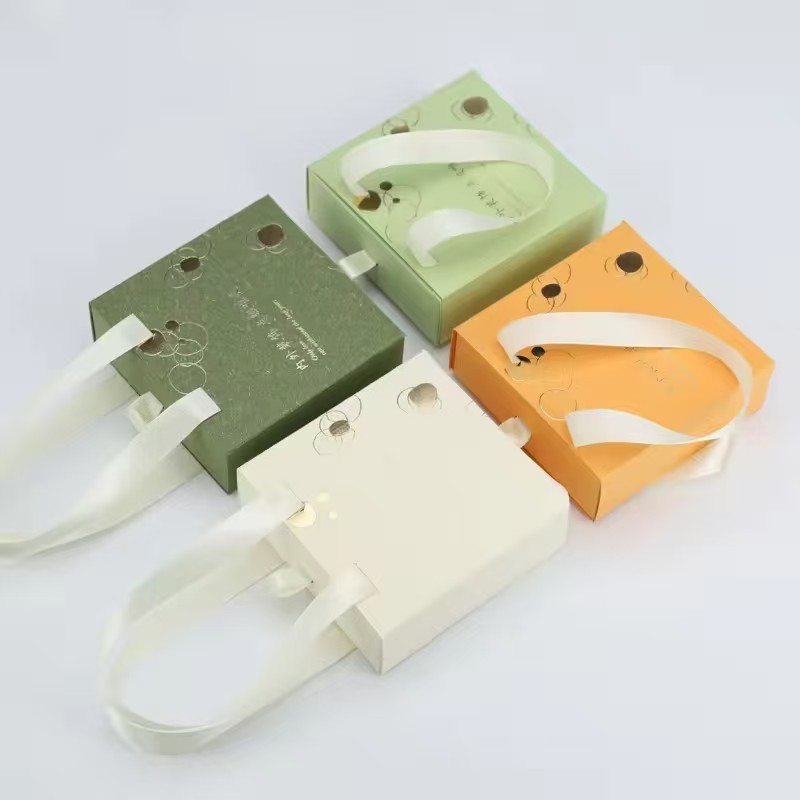
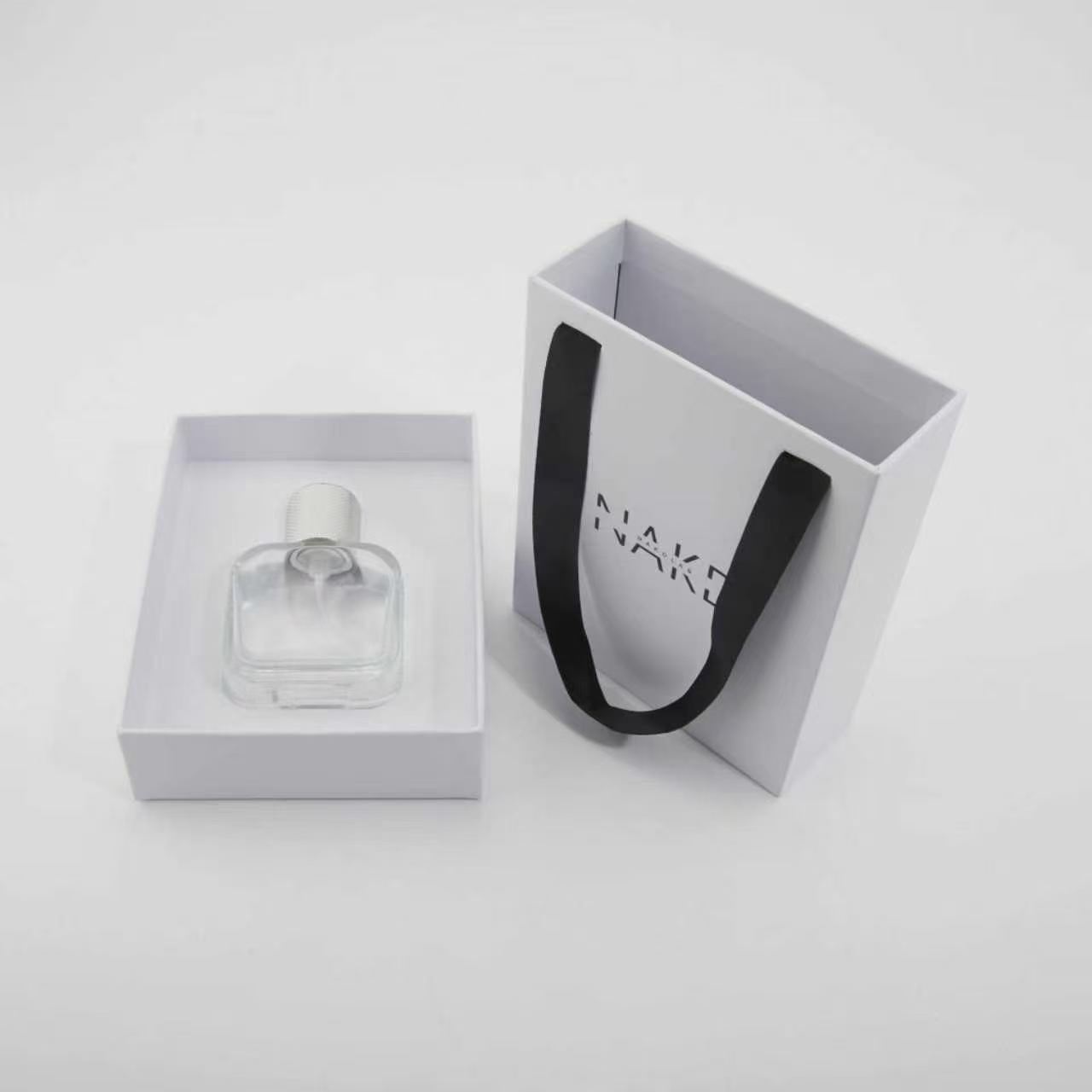
Trend 1: Sustainability Dominates Beauty Packaging
Sustainability is no longer a niche concern. It is the central driver of beauty packaging innovation. Von 2026, sustainable cosmetics packaging will be the default expectation, not a premium option.
The Rise of Paper-Based Beauty Packaging
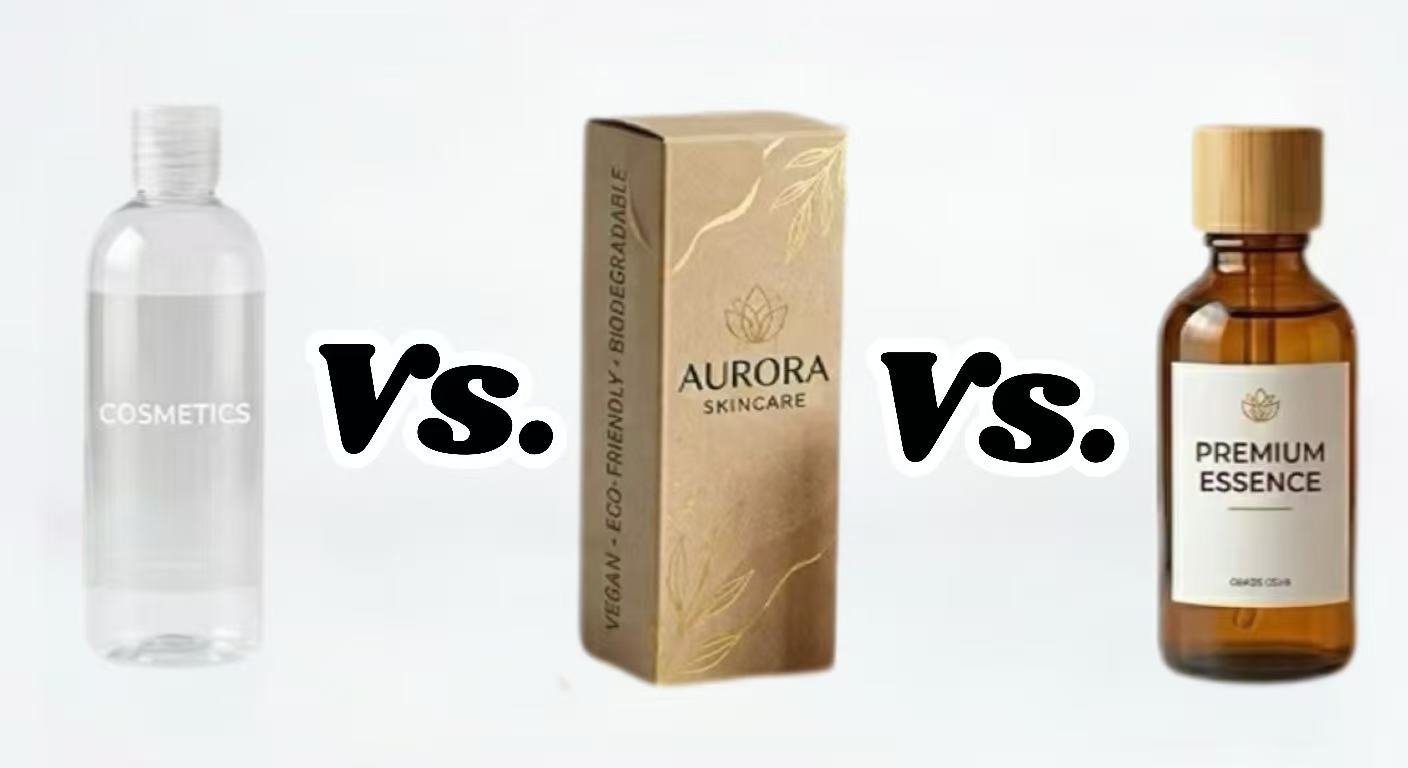
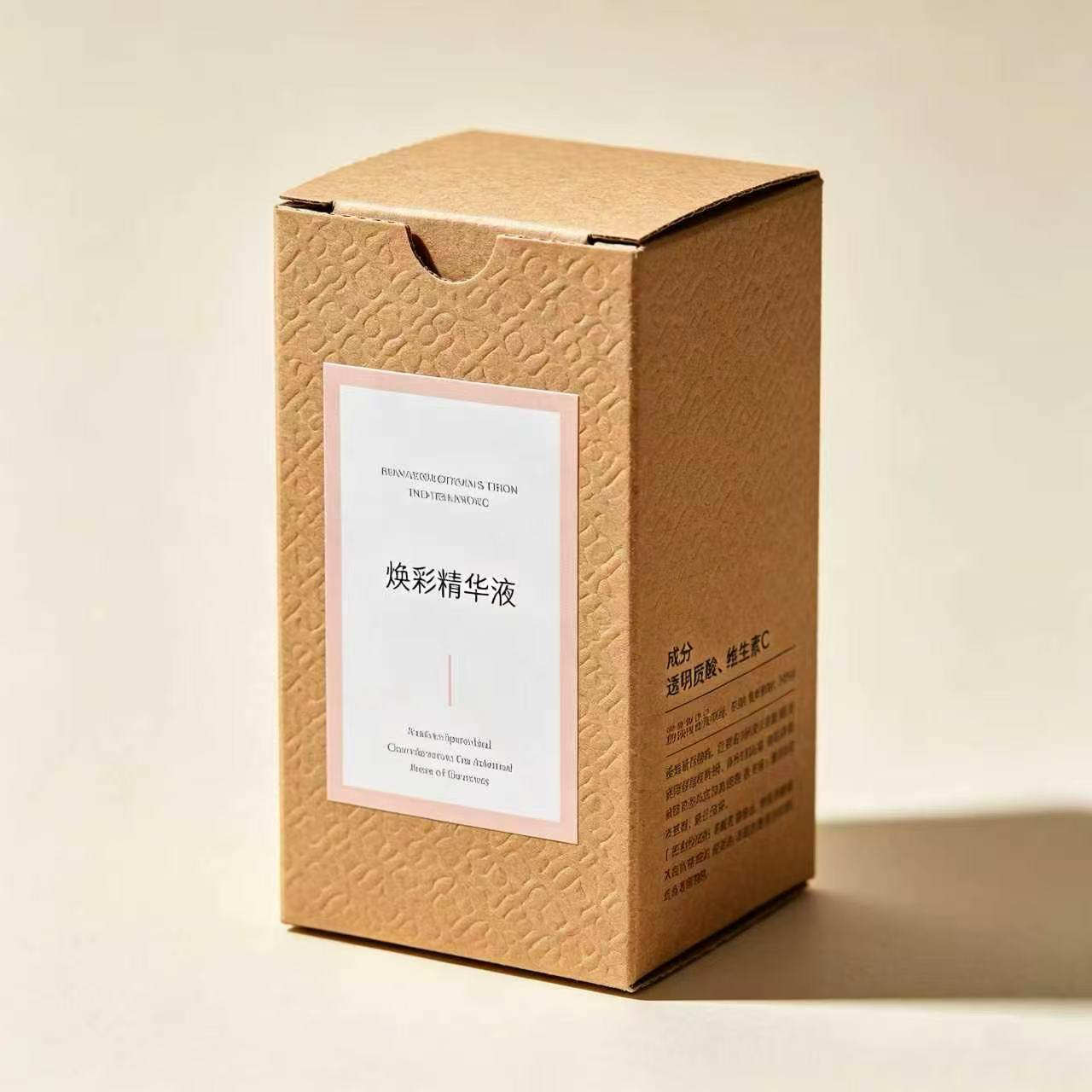
Paper and paperboard are replacing plastic across the beauty packaging landscape. Warum? Because paper is renewable, recycelbar, und biologisch abbaubar. Consumers understand paper. They trust it. And they prefer it over plastic beauty packaging by a wide margin.
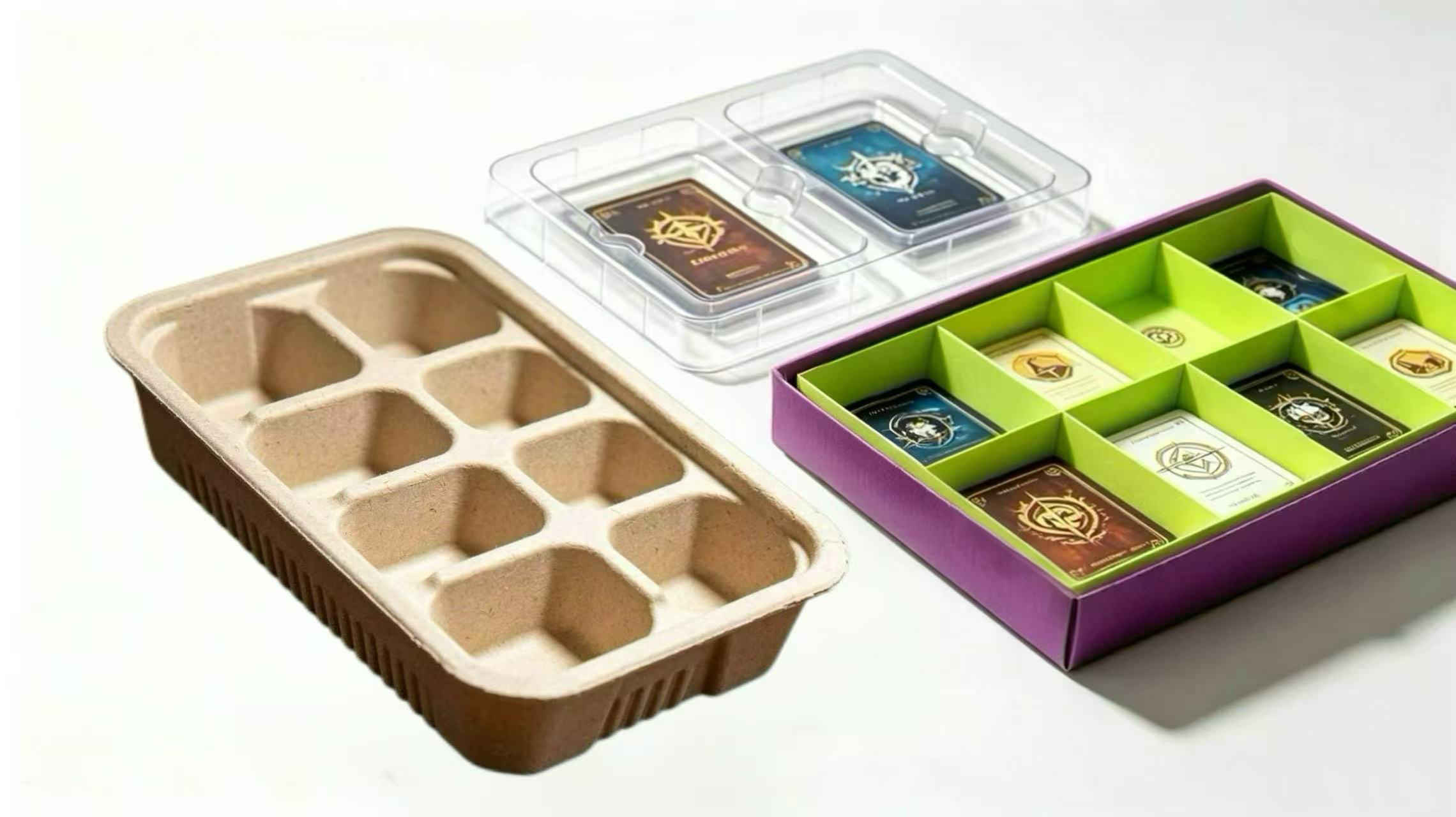
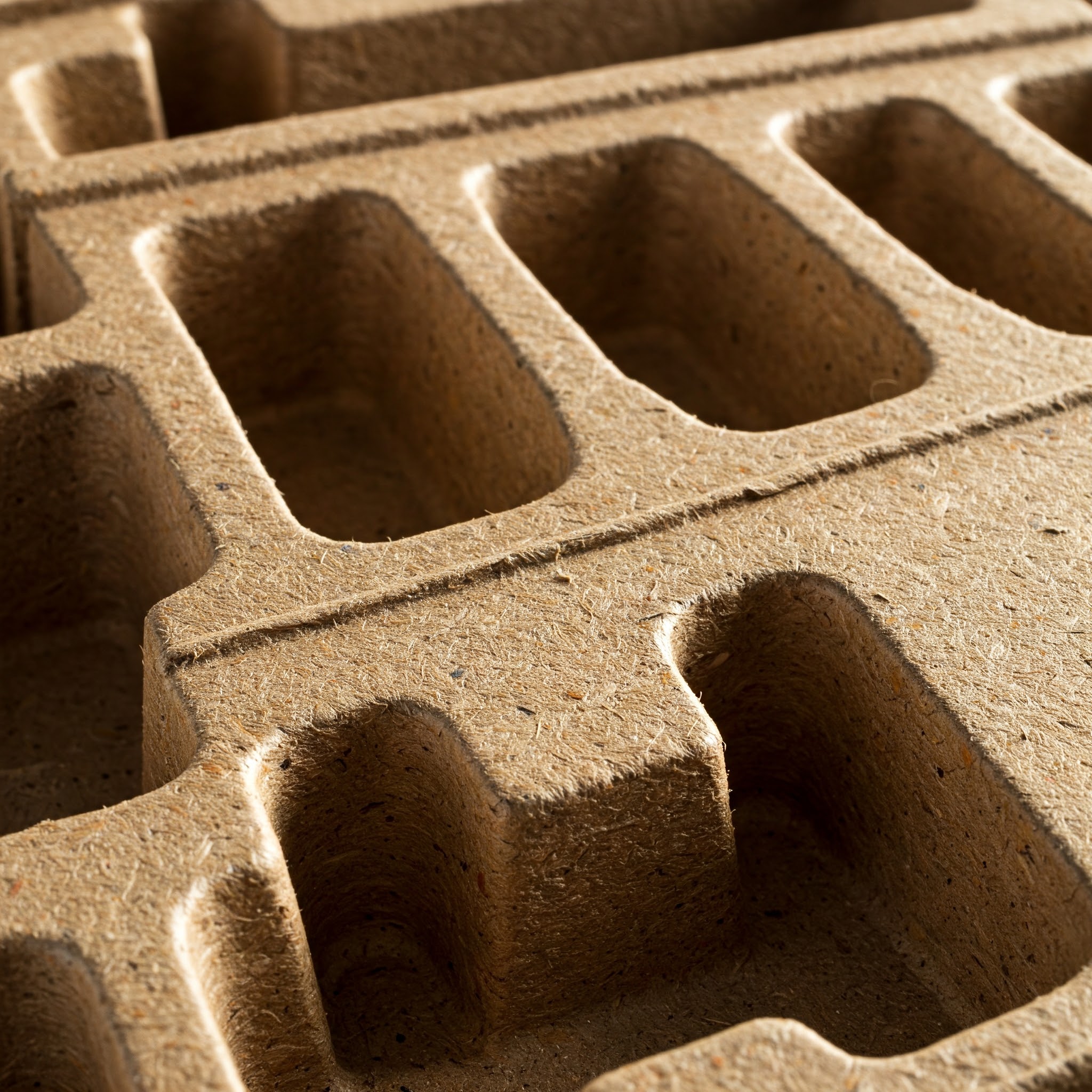
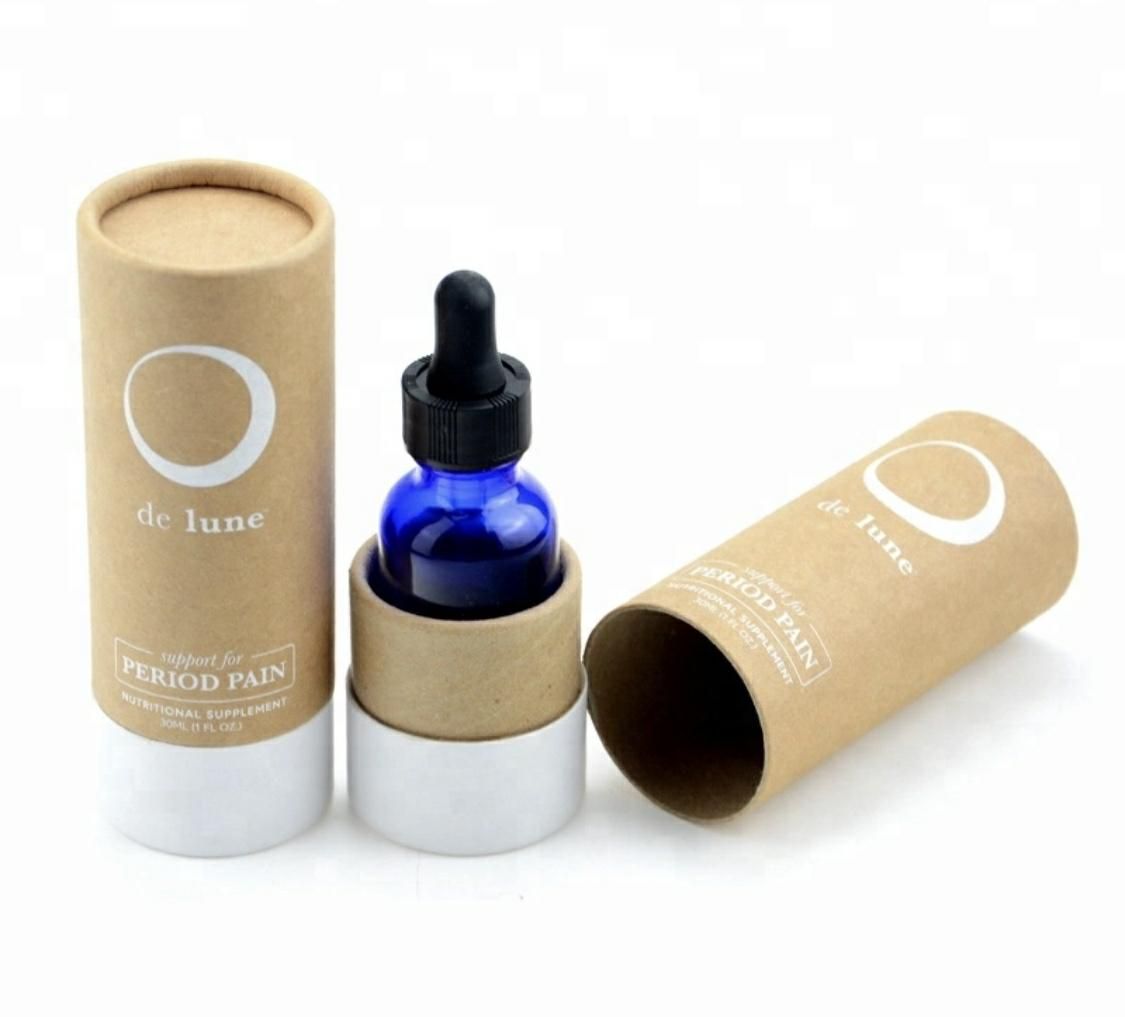
Leading brands are launching paper-based beauty packaging for serums, Cremes, and even liquid products. Molded pulp trays, Papierröhrchen, and folding cartons with water-based barriers are becoming common. This shift in beauty packaging reduces carbon footprints and eliminates problematic plastics.
For your beauty packaging strategy, consider transitioning from plastic jars to paperboard boxes with recycled content. FSC-certified beauty packaging signals environmental responsibility. Kraft paper beauty packaging appeals to natural skincare lines. Bleached SBS beauty packaging works for premium brands.
Refillable and Reusable Beauty Packaging
Another major sustainability trend is refillable beauty packaging. Instead of discarding an entire container, customers keep the outer shell and replace only the inner refill. This approach reduces waste by 50–80% for each beauty packaging unit.
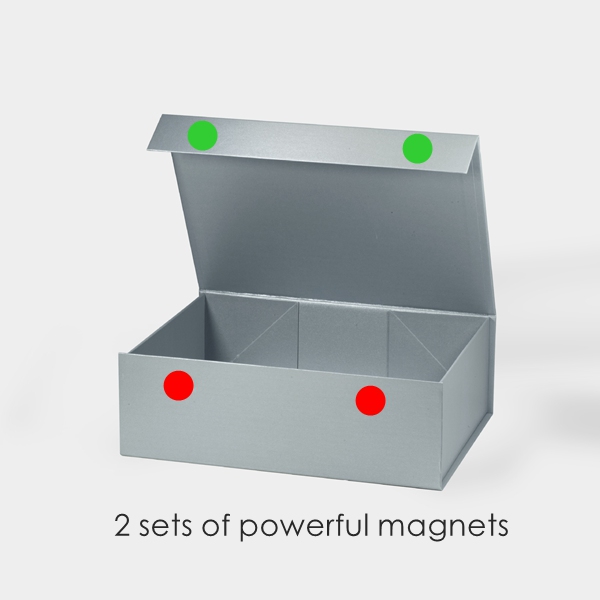
Refillable beauty packaging requires careful design. The outer beauty packaging must be durable enough to last through multiple refills. Magnetverschlüsse, sturdy hinges, and protective coatings extend the life of reusable beauty packaging. Refills should be simple to insert and remove. Clear instructions printed on the beauty packaging help customers participate in the circular economy.
Many beauty packaging manufacturers now offer modular systems where the same outer box fits multiple product refills. This simplifies inventory for brands and encourages repeat purchases.
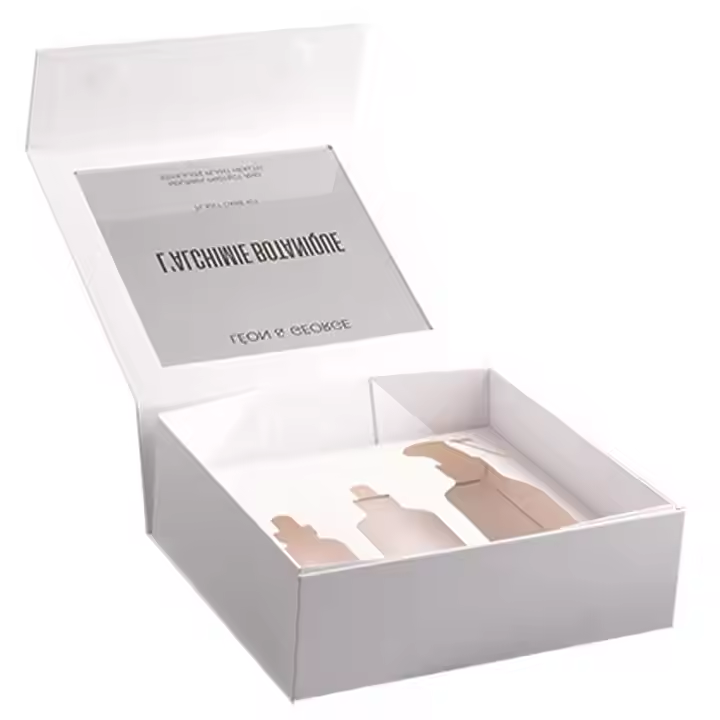
Plastic Reduction Targets in Beauty Box Packaging
Von 2026, most major cosmetic companies have pledged to reduce virgin plastic in their beauty box packaging by 30–50%. Some have committed to 100% wiederverwendbar, recycelbar, or compostable beauty packaging by 2027. These targets are driving investment in alternative materials.
Infolge, beauty packaging suppliers are developing new paper-based barriers, bio-polymers, and mono-material designs that are fully recyclable. The days of complex, multi-material beauty packaging are ending. Simpler, cleaner, greener beauty packaging is the future.
Trend 2: Sensorial Experience Elevates Beauty Products Packaging
Sustainability addresses the planet. Sensorial experience addresses the customer. The best beauty products packaging in 2026 will do both.
- Touch: The Tactile Dimension of Beauty Packaging
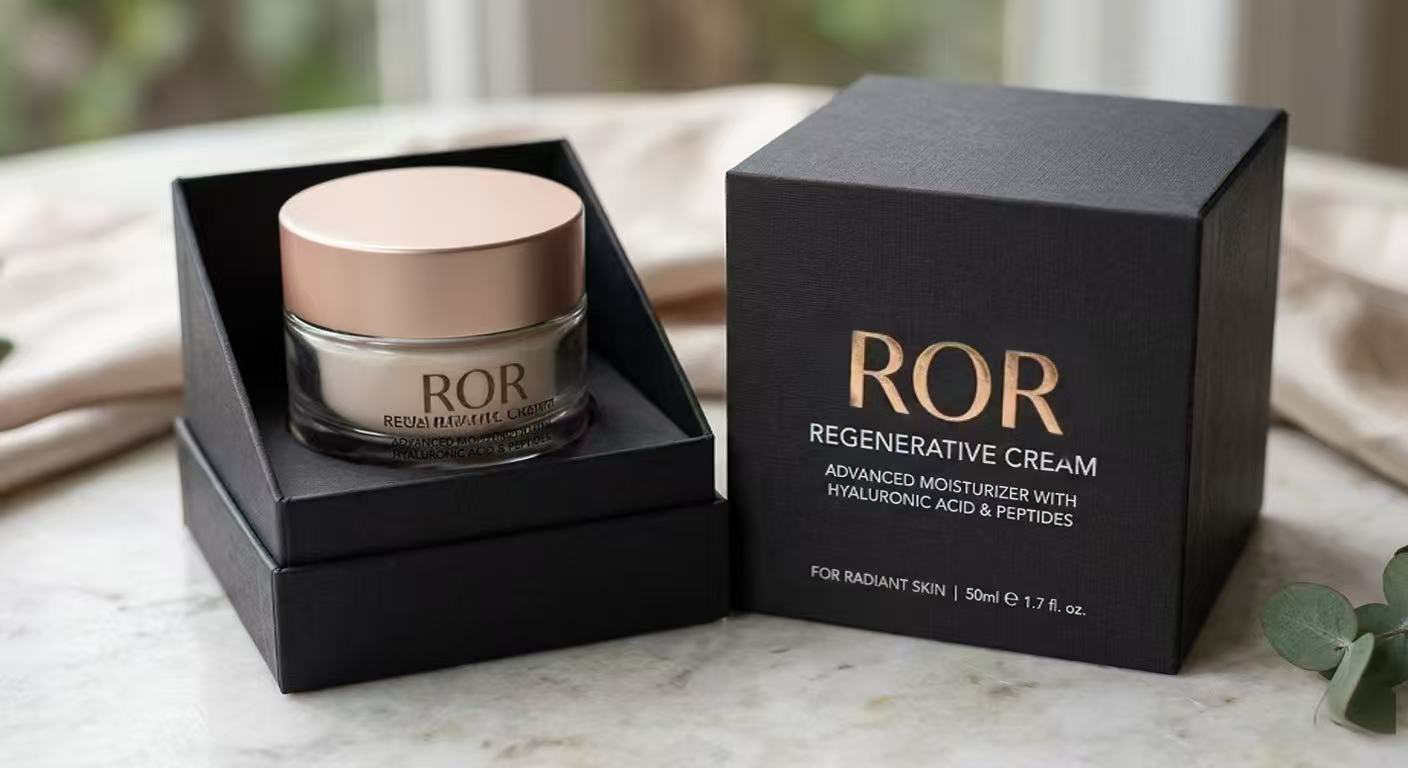
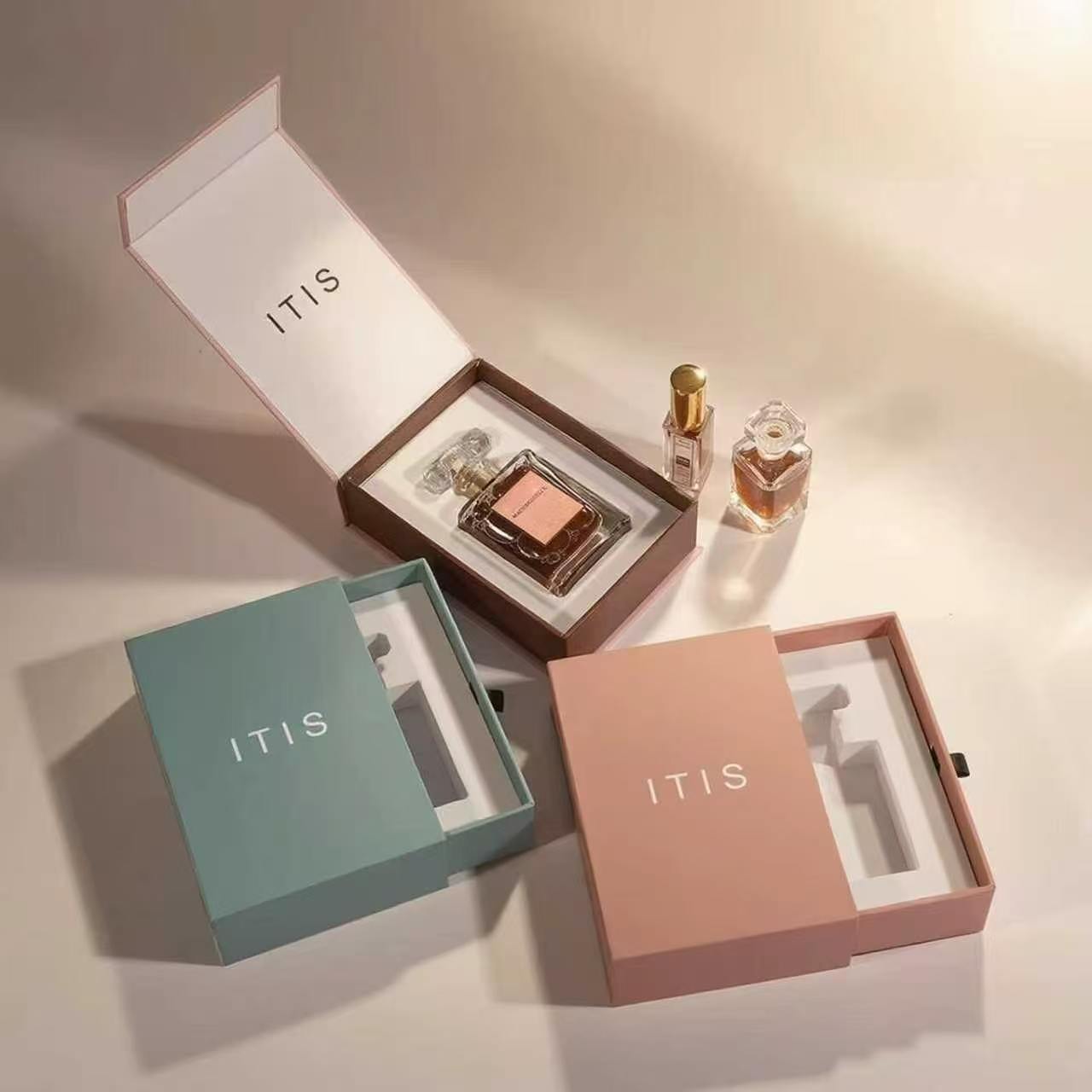
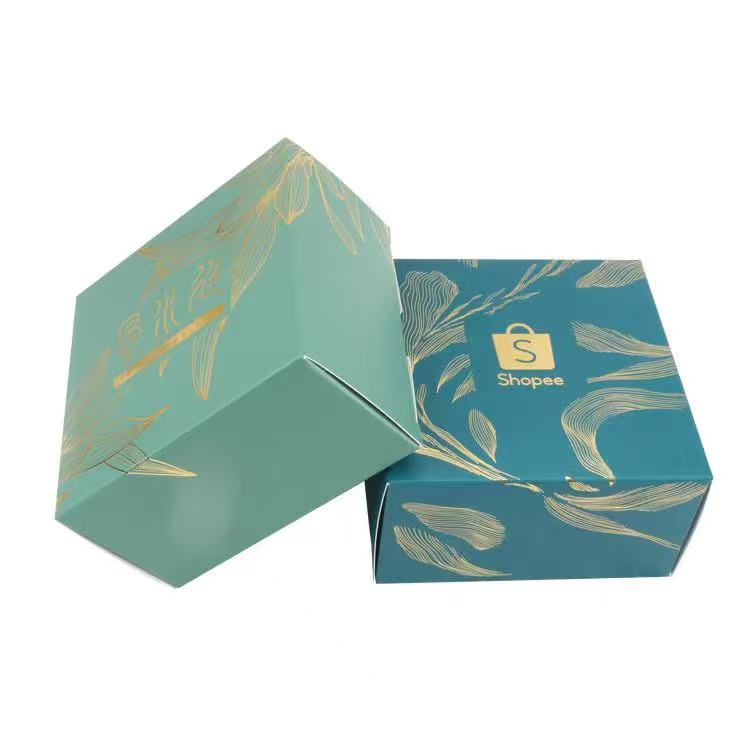
- How a box feels in your hand matters. Premium cosmetic packaging uses soft-touch laminates, velvet finishes, and textured papers to create a velvety surface that resists fingerprints. When a customer picks up your beauty packagings, their fingers should want to explore it. Prägung and debossing add depth to cosmetics packaging. A raised logo or a patterned surface invites touch. The interaction becomes a moment of discovery. High-end beauty packagings often combines multiple textures on the same box—smooth panels contrasting with rough sections, glossy elements against matte backgrounds. Rigid beauty packaging with thick chipboard feels substantial and expensive. Lightweight flimsy cosmetic packaging signals low quality regardless of the product inside. The weight of your beauty packaging directly affects perceived value.
- Sound: The Audible Signature of Cosmetic Packaging
- Sound is the most overlooked element of beauty packaging. Dennoch prägt es die Wahrnehmung ständig. The click of a Magnetverschluss. The soft thud of a thick flap closing. The whisper of a sleeve sliding off a box. Premium beauty packaging engineers these sounds deliberately. A magnetic closure should snap cleanly, not rattle. A tuck flap should slide into place with a quiet, satisfying friction. The sound of tearing—as when opening a sealed sample—should be soft, not harsh. When designing your beauty packaging, test it with your eyes closed. Listen to every interaction. Does your beautys packaging sound expensive? Wenn nicht, redesign it.
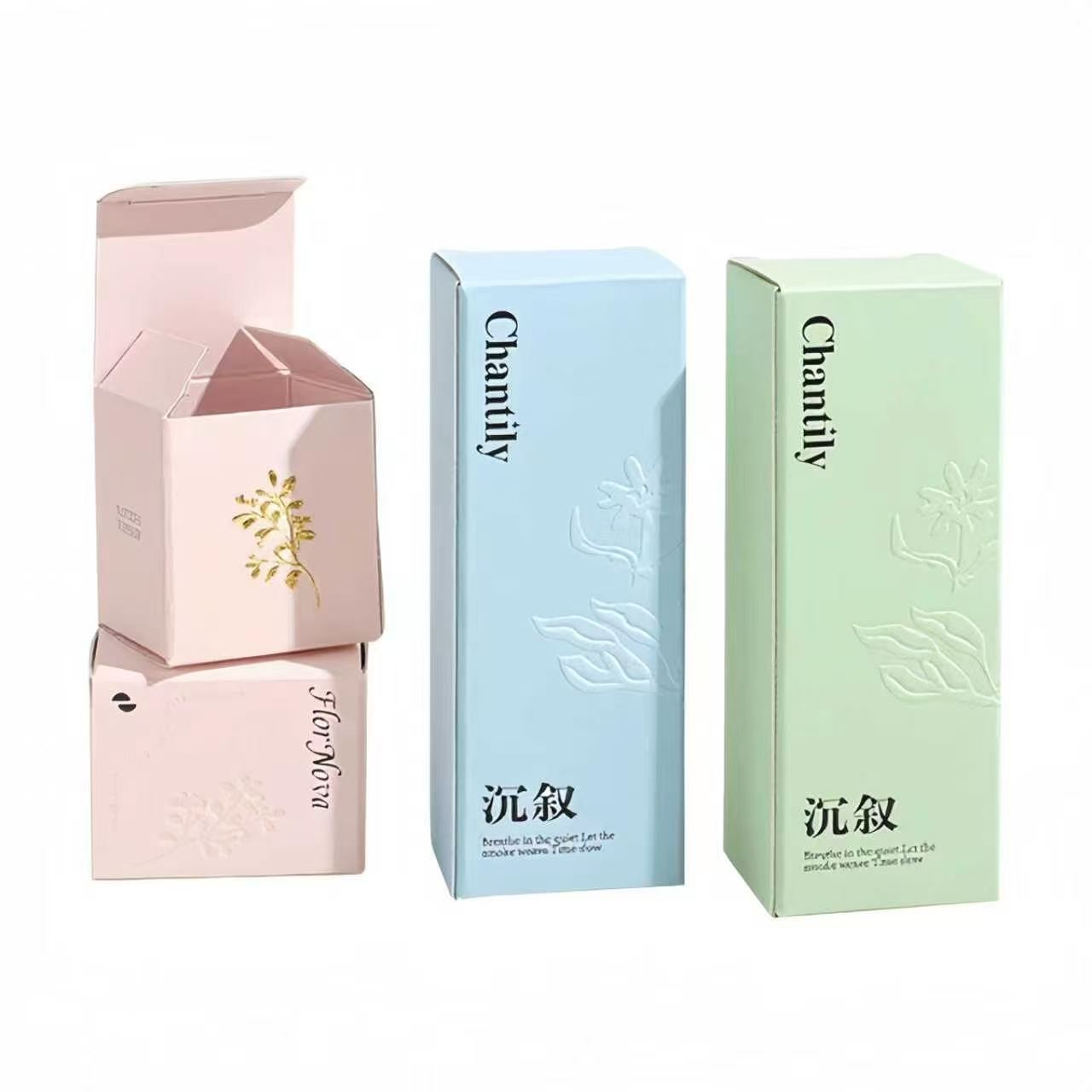
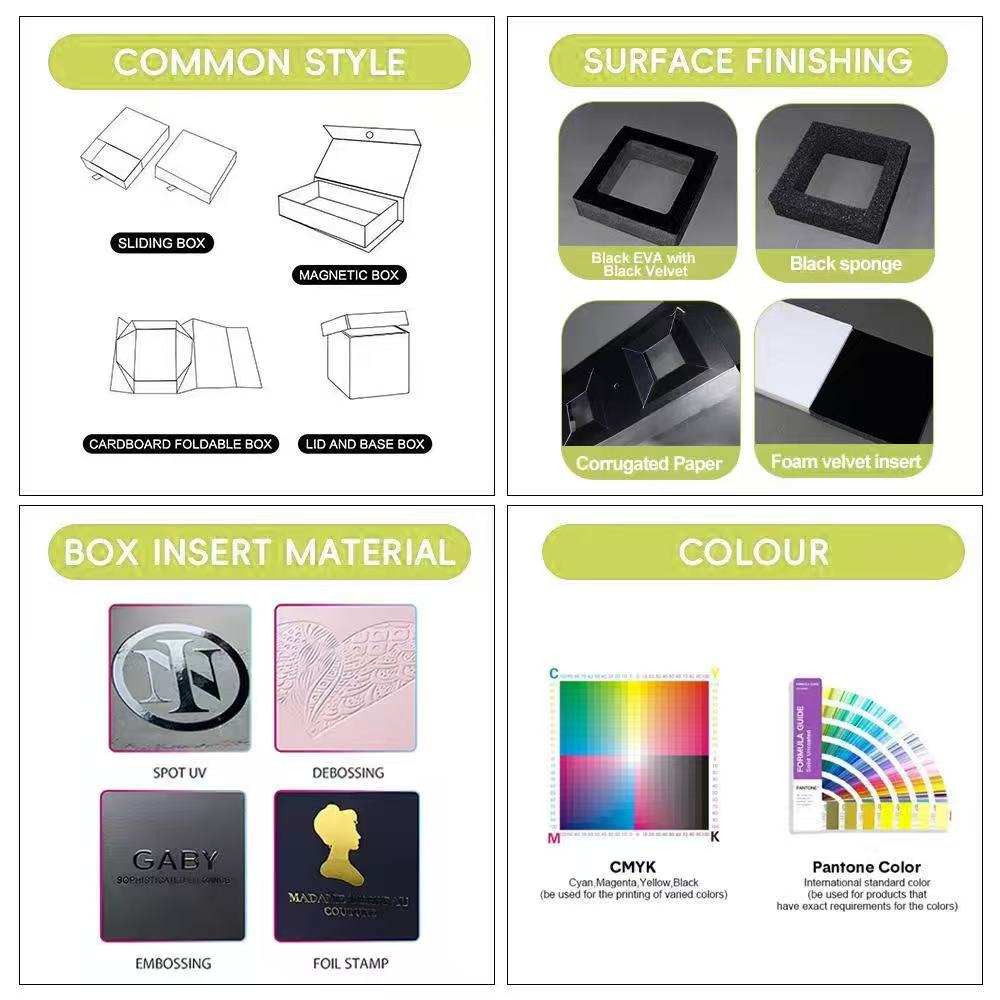
- Gewicht: The Anchor of Perceived Value in Make Up Packaging
- Heavier beauty packaging feels more luxurious. This bias is deeply rooted in human psychology. A 24pt paperboard carton feels significantly more substantial than an 18pt board, even though the difference is only a fraction of a millimeter. Für Primärbehälter, Glas bleibt der Goldstandard, da es schwerer als Kunststoff ist. But glass beauty packaging is fragile and energy-intensive. The compromise: paperboard outer make up packaging with a glass-like coating or a weighted insert that adds heft without the fragility. Balanced make up packaging sits comfortably in the hand—not too light, not too cumbersome. Achieving this balance requires testing different material combinations.
- Unboxing as Ritual in Cosmetic Packaging
- Social media has transformed beauty packaging into content. Customers film themselves opening boxes. They share the experience on Instagram, TikTok, and YouTube. Your beauty packaging is part of their personal brand.
- A great unboxing ritual has layers. Outer beauty packaging gives way to tissue paper, which reveals a thank-you card, which leads to the product nestled in a custom insert. Each layer creates anticipation. Each reveal generates delight.
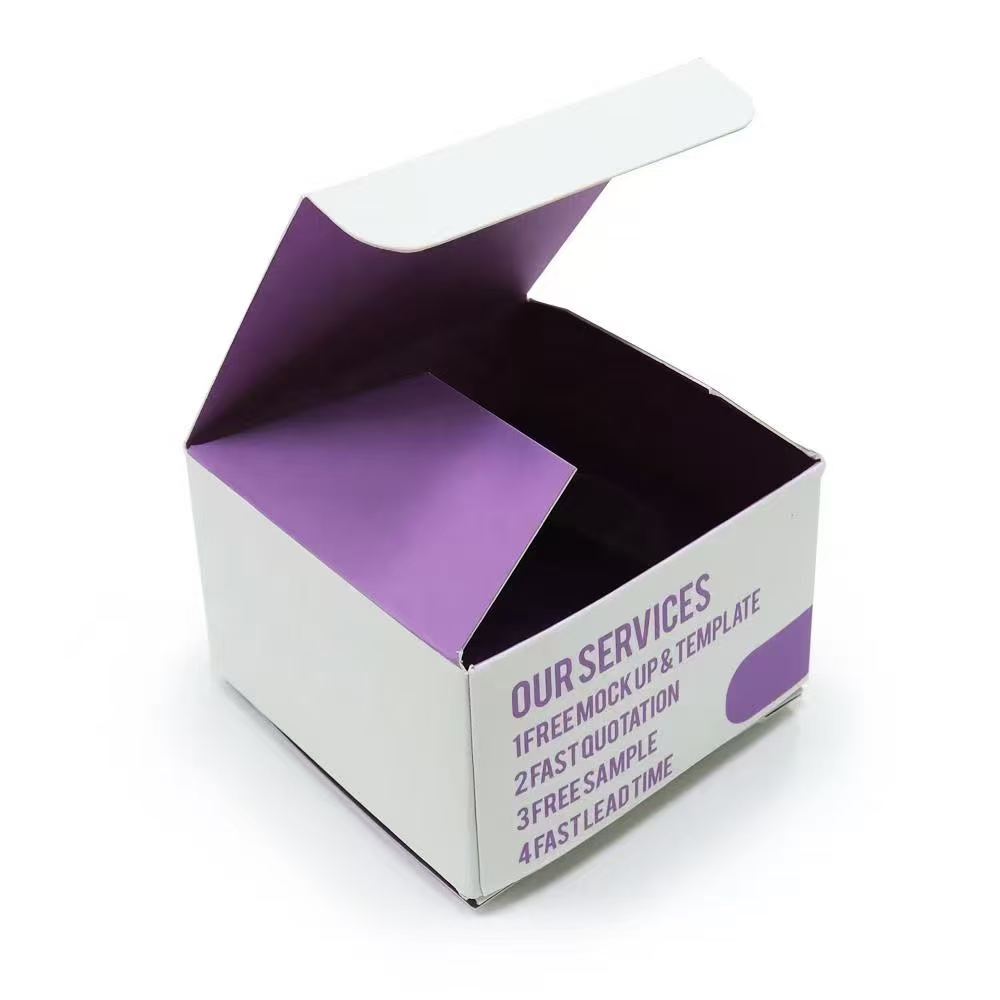
- Design your beauty packaging for the camera. Use bold colors inside the flaps. Add a patterned liner. Include a small gift or a sample. When customers film your beauty packaging, they become your marketers.
Trend 3: Compliance Reshapes Cosmetic Packaging
Regulations are forcing rapid changes in cosmetic packaging. Ignorance is not an excuse. Von 2026, non-compliant beauty packaging will be illegal in major markets.
PPWR and European Cosmetic Packagings Requirements
The EU’s Packaging and Packaging Waste Regulation (PPWR) has specific implications for beauty packaging. Bis August 2026, all beauty packaging sold in the EU must be labeled with material identification and disposal instructions. Von 2027, cosmetic brands must adopt refillable beauty packaging systems. By 2030, beauty packaging must achieve minimum recycling class C, with only classes A and B permitted by 2038.
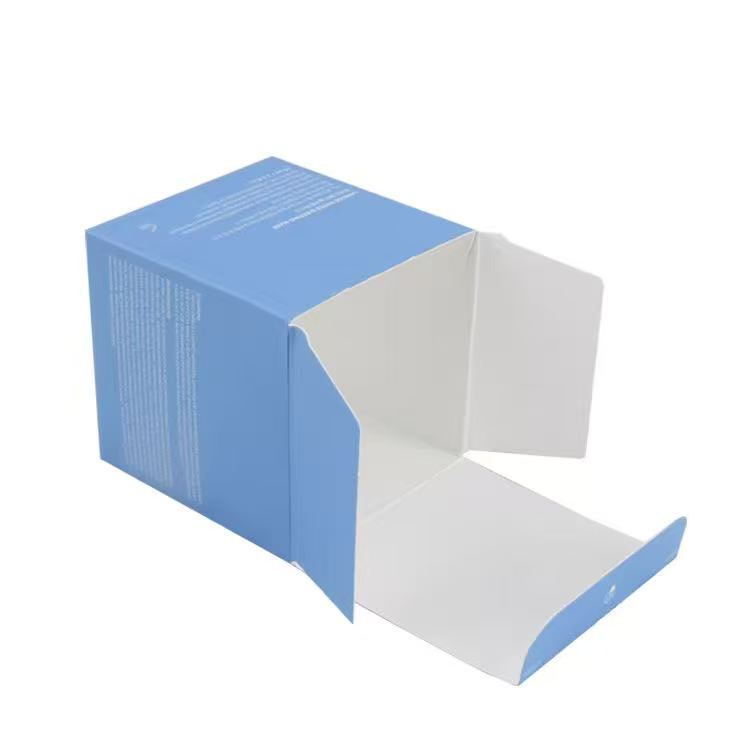
What does this mean for your beauty packaging? Avoid multi-material constructions. Use mono-material designs wherever possible. Ensure that labels, adhesives, and coatings do not interfere with recycling. Provide clear disposal instructions printed directly on the beauty packaging.
Digital Product Passports for Cosmetic Packagings
Digital tools are becoming standard in beauty packages. QR -Codes, NFC tags, and RFID labels allow consumers to scan a package and access information about material composition, carbon footprint, and recycling instructions.
Von 2026, many beauty packaging products will include a digital product passport. This traceability feature builds trust and demonstrates compliance. For beauty packaging manufacturers, offering digital integration is a competitive advantage.
US and Global Beauty Packaging Regulations
Outside the EU, similar regulations are emerging. California’s Plastic Pollution Prevention and Packaging Producer Responsibility Act requires that all beauty packagings be recyclable or compostable by 2032. Kanada, Japan, and South Korea have introduced extended producer responsibility (EPR) laws that hold brands accountable for their beauty packaging waste.
The trend is clear: stricter rules for beauty packagings are coming everywhere. Brands that proactively redesign their beauty packaging will avoid costly last-minute changes.
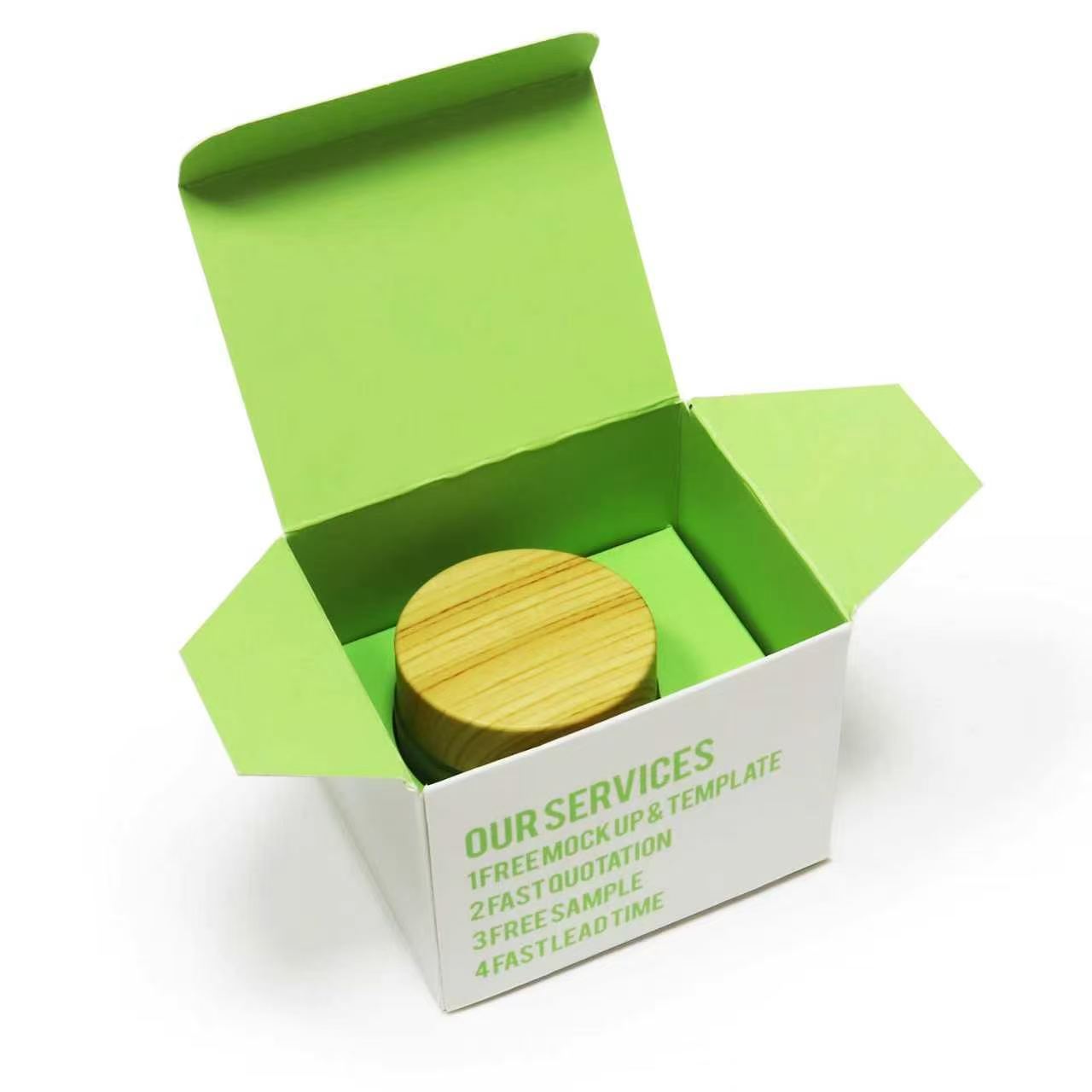
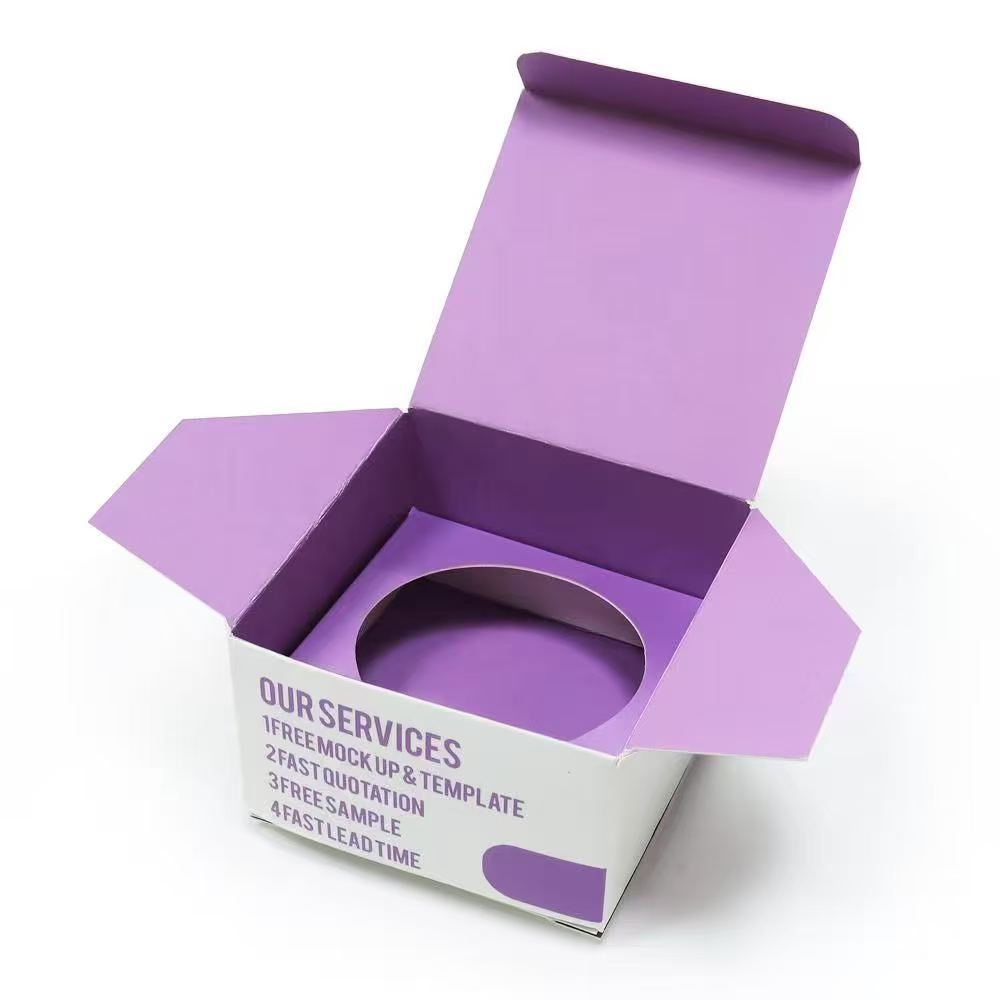
The Future of Beauty Packagings
The three trends—sustainability, sensorial experience, and compliance—are not separate. They converge. The best beauty packaging in 2026 will be sustainable, delightful to touch and open, and fully compliant with global regulations.
For cosmetic brands, this means rethinking beauty packagings from the ground up. Start by auditing your current beauty packaging against these trends. Identify gaps. Work with a beauty packaging supplier who understands materials, endet, and regulatory requirements.
As a beauty packaging manufacturer, we see these changes as opportunities. Every brand needs beauty box packaging that works. But the brands that thrive will be those that see beauty products packaging not as a cost, but as an investment in their future.
Ready to update your beauty packaging for 2026?
Contact us to discuss sustainable materials, sensorial finishes, and compliance-ready designs. We help beauty brands create beauty box packaging that performs—on the shelf, in the hand, and for the planet.