If you have browsed Kickstarter or visited a local game store recently, you have seen the evidence. Board games are bigger than ever. The global tabletop market is expected to exceed $32 мільярд 2026, with thousands of new titles launching every year. But beneath that headline number lies a quieter, more practical story—one about cardboard, устаўкі, and the humble custom board game box.
For game publishers, the box is not just a container. It is the first impression. It is the shipping protector. It is the storage solution that players will use for years. And increasingly, it is a competitive differentiator. This article explains why custom board game boxes have become a strategic priority for publishers, and what packaging suppliers need to know to capture this growing market.
Why the Board Game Packaging Market Is Growing?
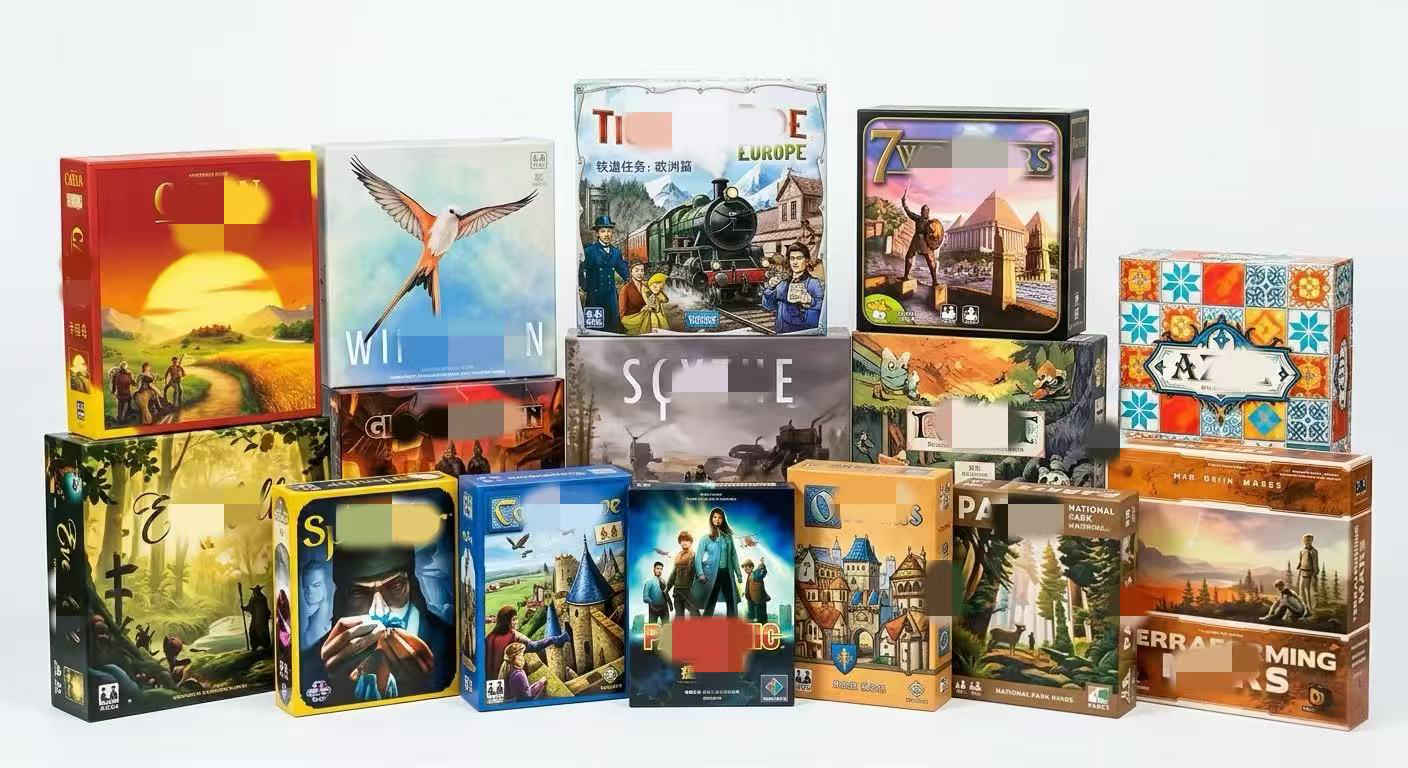
The numbers tell a clear story. According to industry reports, the board games market has been growing at a compound annual rate of over 7% since 2020. The pandemic gave tabletop gaming a significant boost, but the growth has continued as people rediscover the value of in-person play.
Адначасова, the way games are sold has changed. Retail still matters, but direct-to-consumer crowdfunding—Kickstarter, Gamefound, Backerkit—now accounts for a substantial portion of new game launches. A successful campaign can ship 10,000 або 50,000 units directly to backers’ homes. Those backers have high expectations. They have waited months for their game. When the package arrives, the custom board game box needs to deliver an experience worthy of that wait.
This shift has forced publishers to care about packaging in ways they did not before. A game that arrives with a crushed corner, a torn lid, or scattered components generates refund requests, negative reviews, and social media complaints. For a small publisher, one bad unboxing experience can damage a brand for years.
What Makes a Board Game Box “Custom”?
A standard shipping box will not work for a modern board game. Inside a typical game, you might find:
- A folded game board
- Hundreds of cards (often in multiple decks)
- Wooden or plastic tokens of various sizes
- Dice, timers, or other specialty components
- Rulebooks that can be 20 або 30 pages long
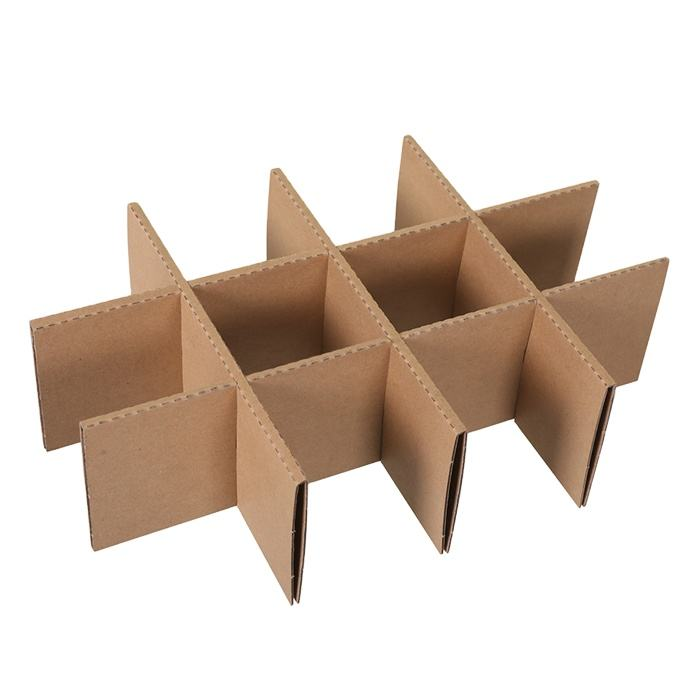
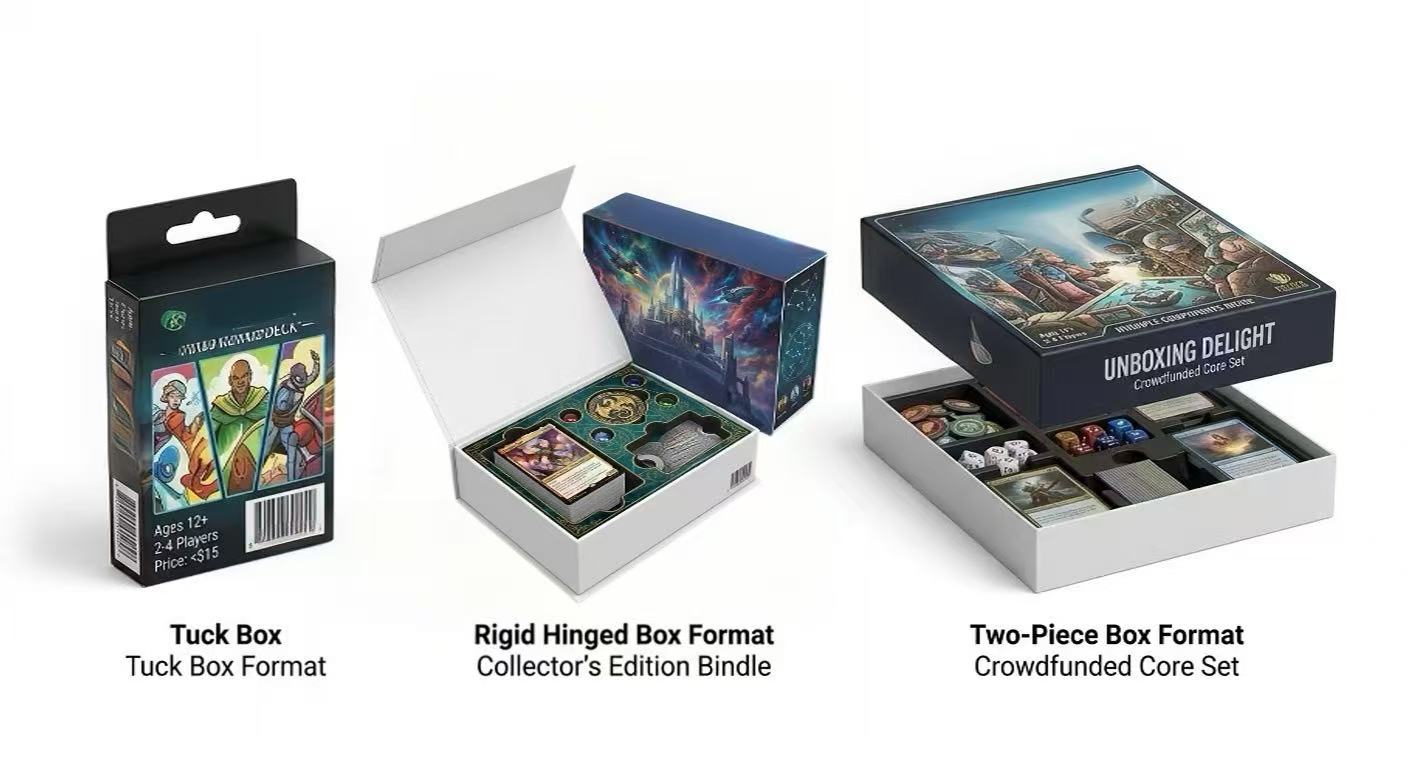
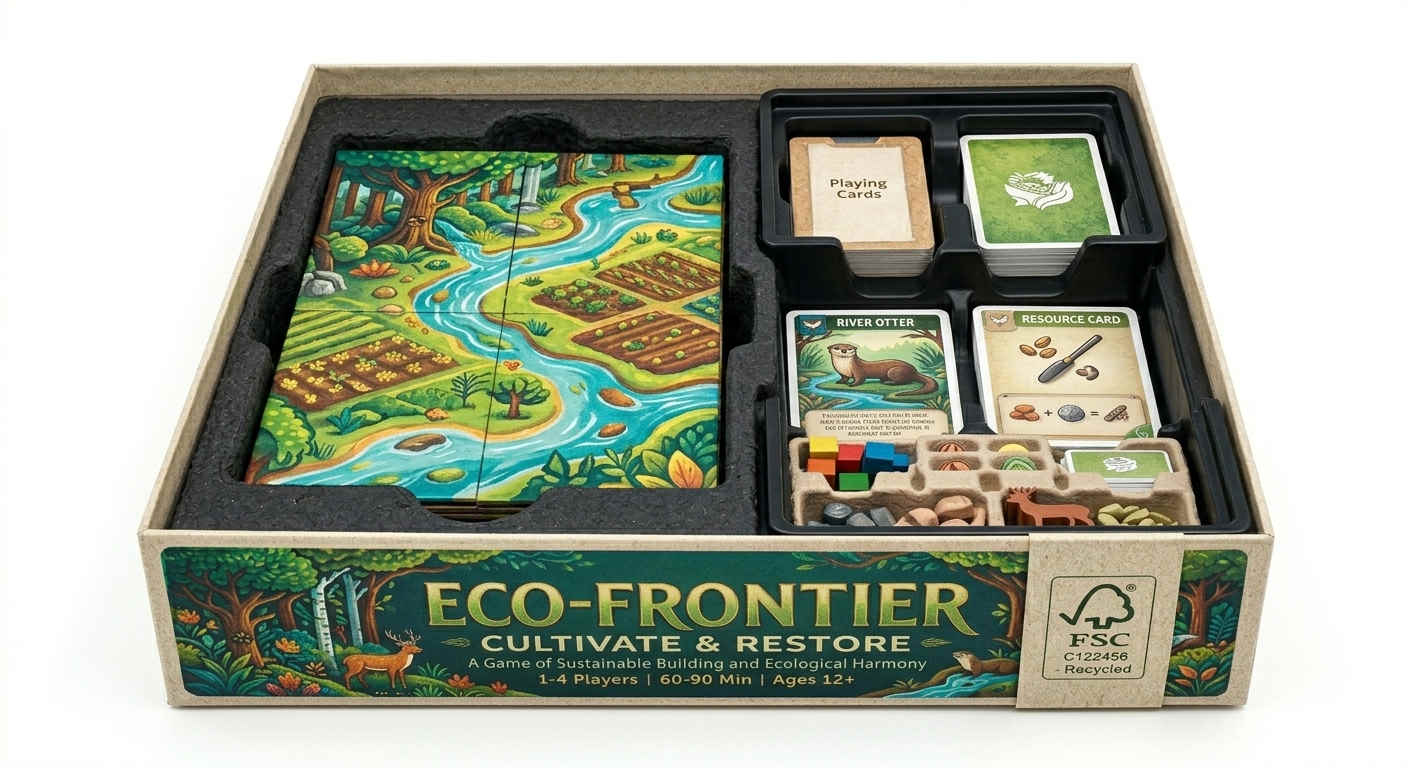
All of these items need to fit securely inside the custom board game box, without rattling, shifting, or pressing against the lid. That requires thoughtful interior design. Most custom boxes use a vacuum-formed plastic insert або аdie-cut cardboard tray to hold each component in place. Some publishers now prefermolded pulp trays as a more sustainable alternative.
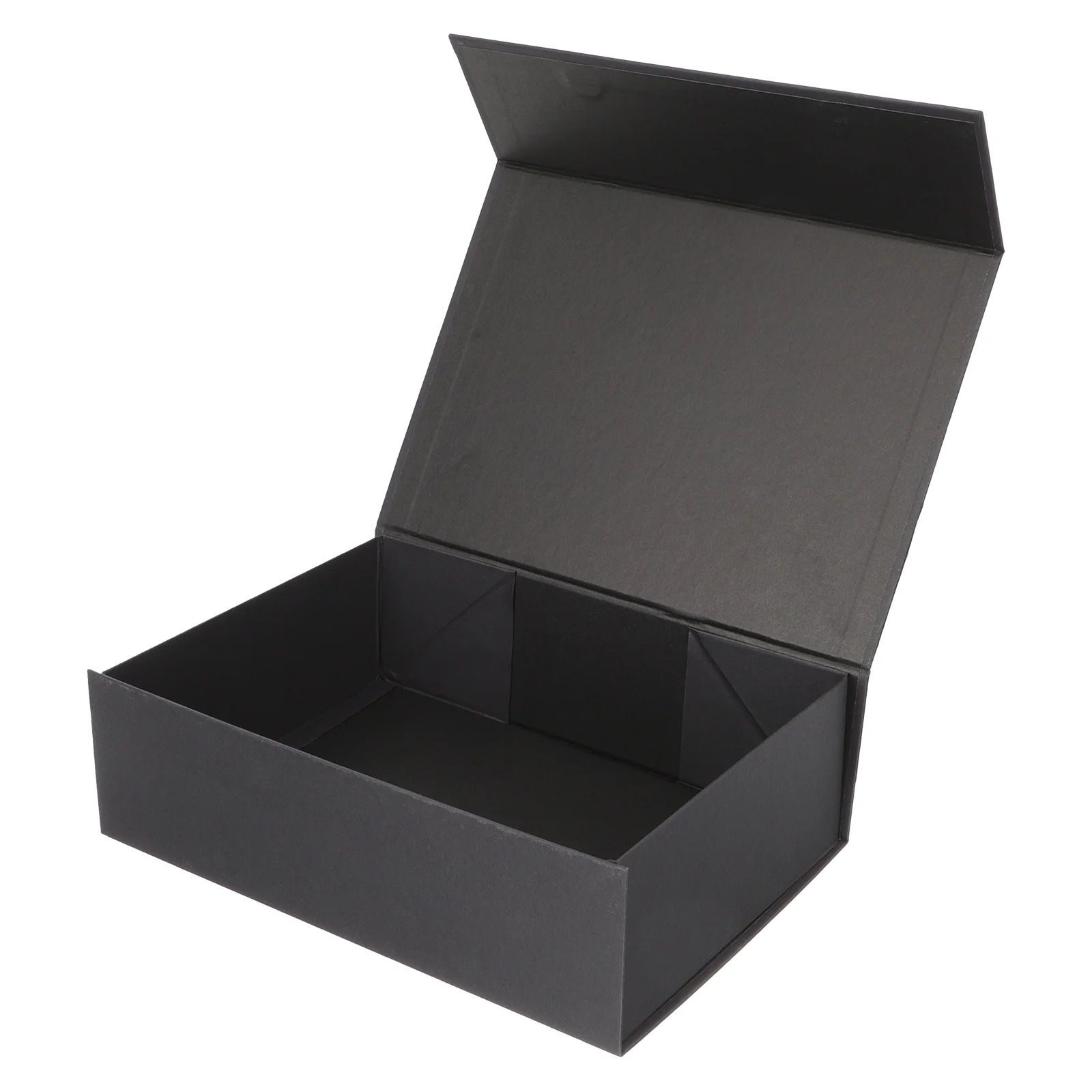
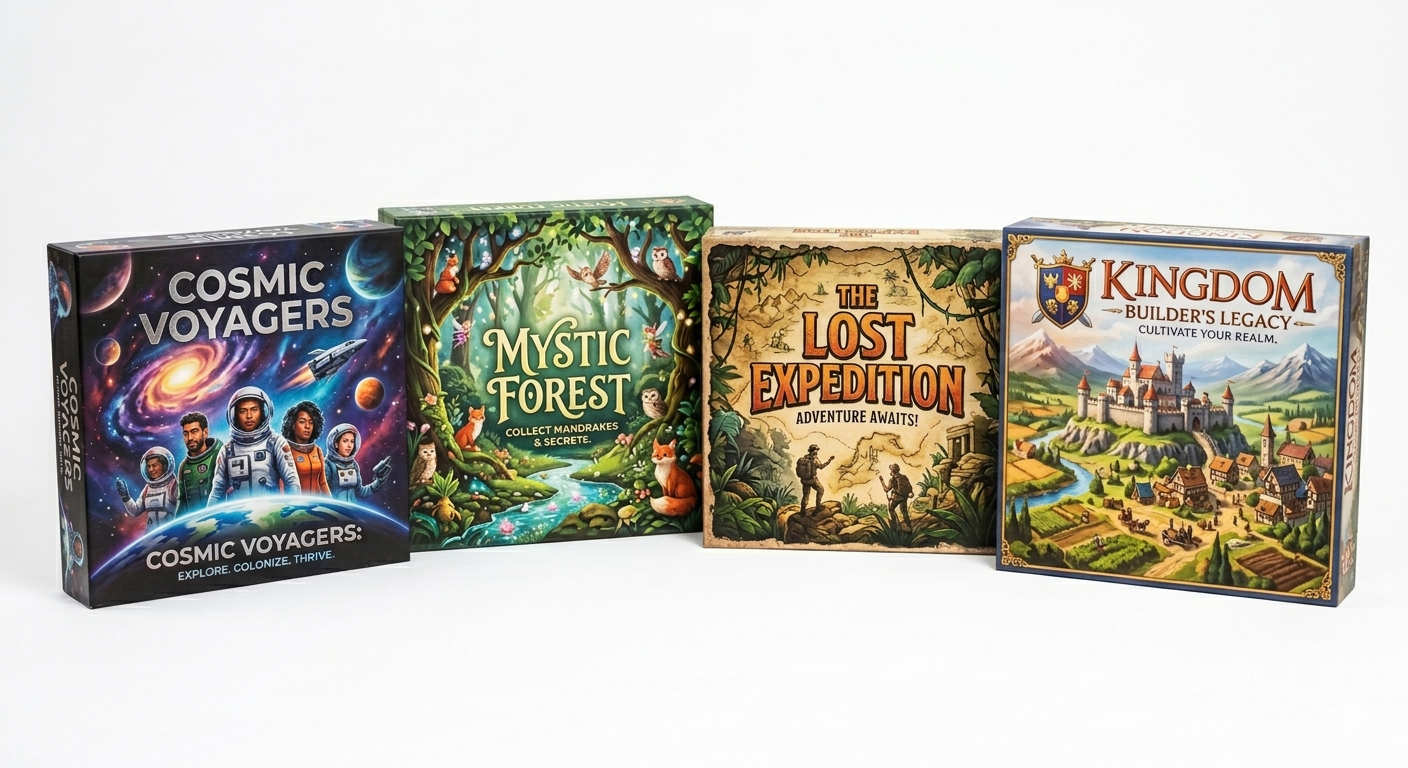
The outer box itself must be sturdy enough to survive warehouse stacking and shipping drops. A typical game box uses rigid chipboard (often 1.0mm to 2.5mm thickness) wrapped in printed paper or litho-laminated graphics. The lid needs to fit snugly but not too tightly—players will open and close this box hundreds of times over the life of the game.


The Crowdfunding Factor: Why Backers Expect More
Crowdfunding has changed the expectations aroundcustom board game boxes. Backers are not just buying a product; they are buying into a vision. The packaging is part of that vision. A thin, generic box signals corner-cutting. A thick, well-printed box with a custom insert says “we care about every detail.”
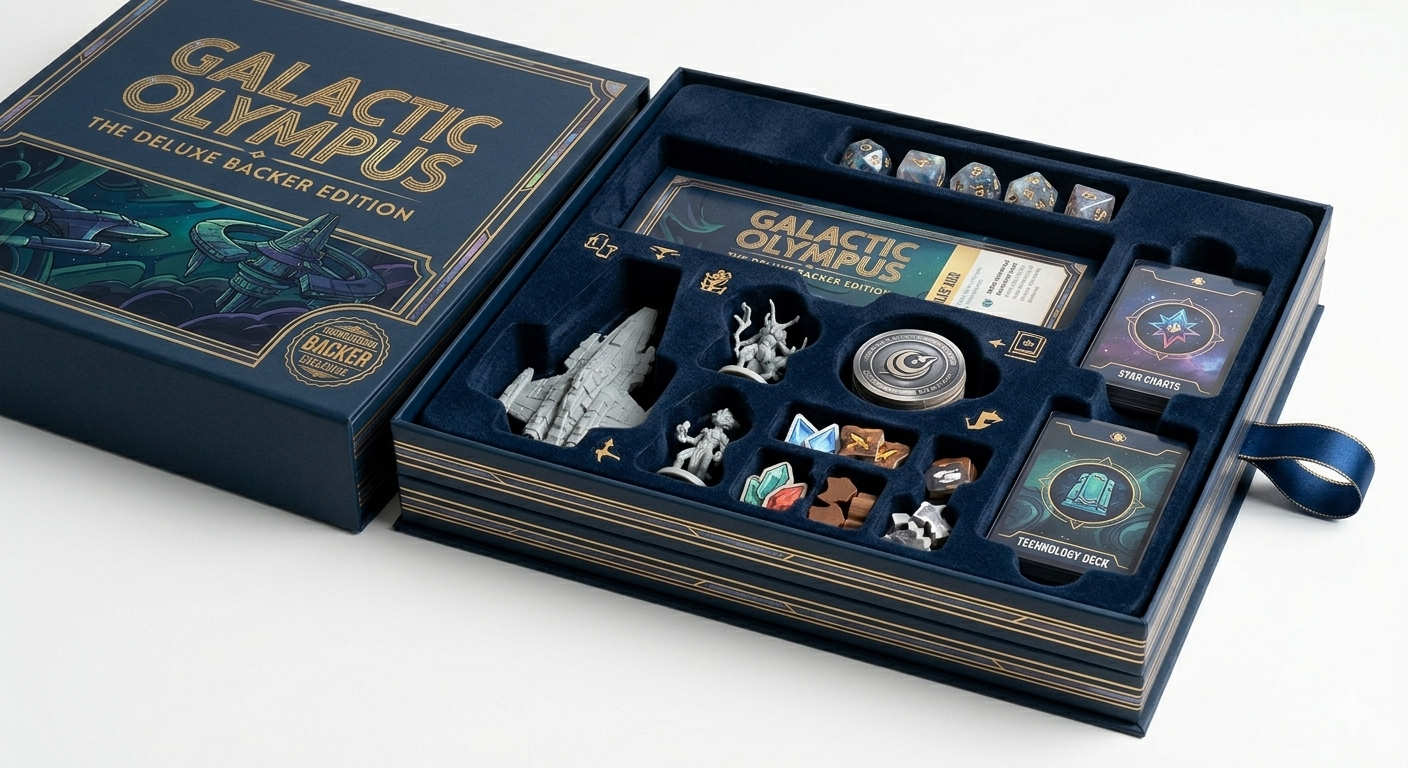
Many successful campaigns now include “deluxe packaging” as a stretch goal or an add-on. That might mean a foil-stamped lid, a ribbon pull for easy opening, or a custom tray with themed artwork. Some publishers offer two versions of the same game: a standard retail box and a premiumcustom board game box for backers only.
This creates an interesting dynamic for packaging suppliers. Short-run, high-quality custom boxes are exactly what crowdfunding creators need. They do not want to order 50,000 units of a single design. They want the flexibility to produce 2,000 або 5,000 units for their campaign, with the option to reprint later. Згодная ўпакоўка can offer low minimum order quantities (Мок) and fast turnaround times are well positioned to serve this market.
Sustainability Pressures on Game Packaging
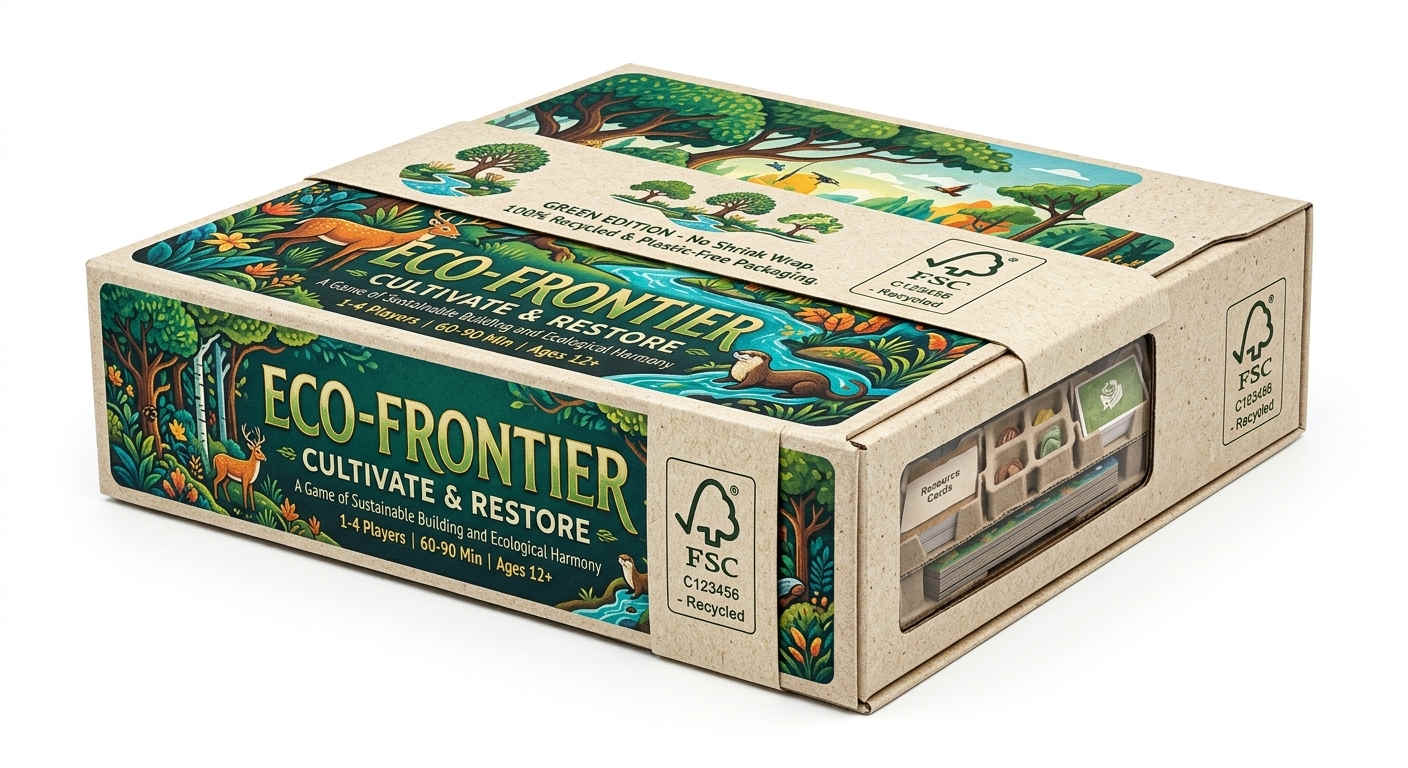
The board game industry has a packaging problem. Many games use plastic shrink wrap, пластыкавыя ўстаўкі, and plastic bags for components. A single game can contain multiple types of plastic, none of which is easily recyclable. Players have noticed. Online forums regularly discuss “how to reduce plastic in board games,” and some publishers have started offering “green” editions.
Custom board game boxes can be part of the solution. Here is what sustainable game packaging looks like today:
- Paper-based inserts made from recycled corrugated or molded pulp instead of plastic
- No shrink wrap – using belly bands or tuck flaps to keep the box closed on shelves
- Чарніла на аснове соі and water-based coatings for printing
- FSC-сертыфікат paperboard for the box itself
- Design for disassembly – easy to separate printed wrap from chipboard for recycling
Some publishers have gone further. The gameWingspan uses a cardboard insert with a custom die-cut to hold bird cards and eggs. The gameParks uses a paper tray with minimal plastic. These choices resonate with environmentally conscious buyers and can be featured in marketing materials.
The Retail Shelf vs. The Mailbox
One of the trickiest aspects of designing a custom board game box is balancing two competing needs: retail display and direct shipping.
In a retail store, the box needs to stand out on a crowded shelf. Вялікі, colorful artwork, a sturdy construction that does not warp, and a lid that stays closed during browsing are all important. Retailers also prefer uniform sizing so games stack neatly.
For direct shipping, the priorities are different. The box must fit efficiently into shipping cartons. It must survive drop tests from waist height. The insert must keep components from shifting during a week in a delivery truck. And the overall weight matters—every extra gram increases shipping costs.
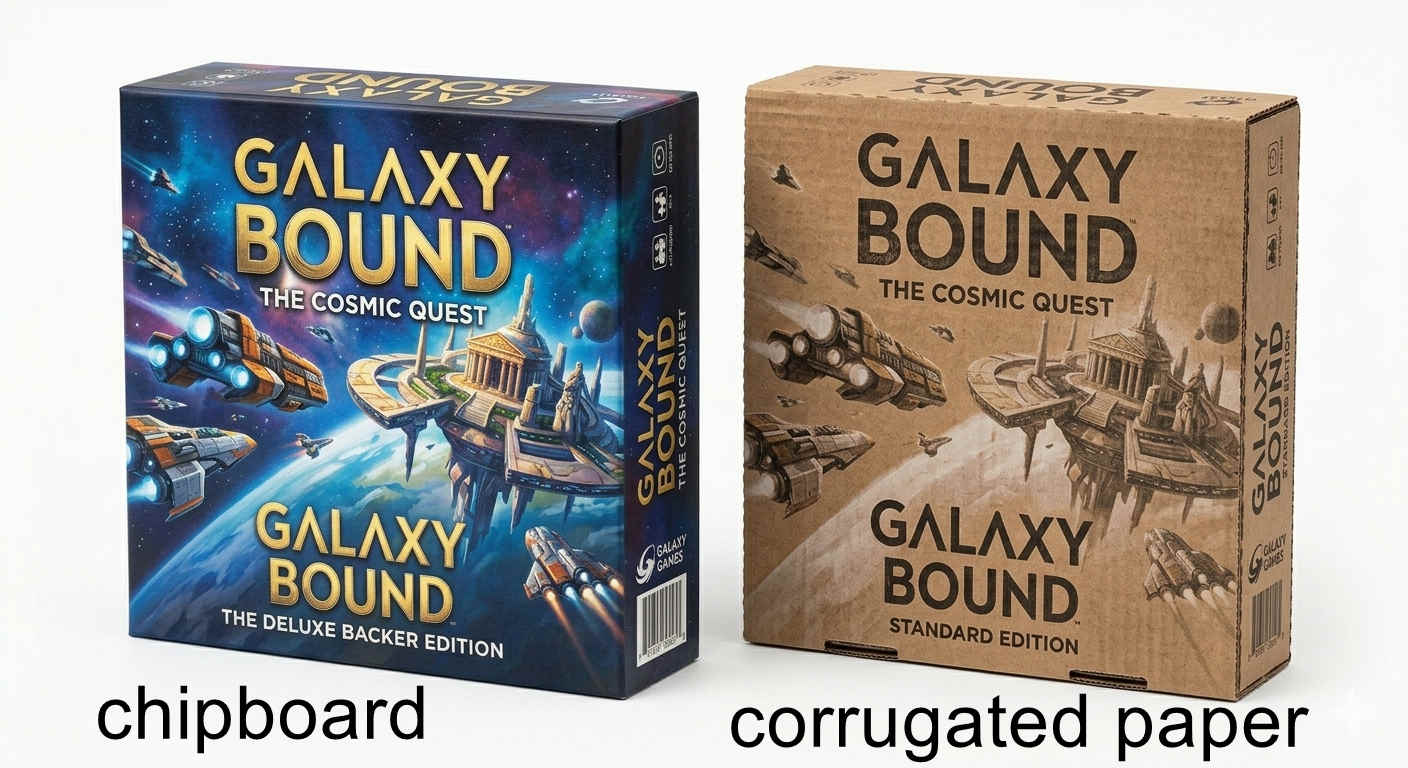
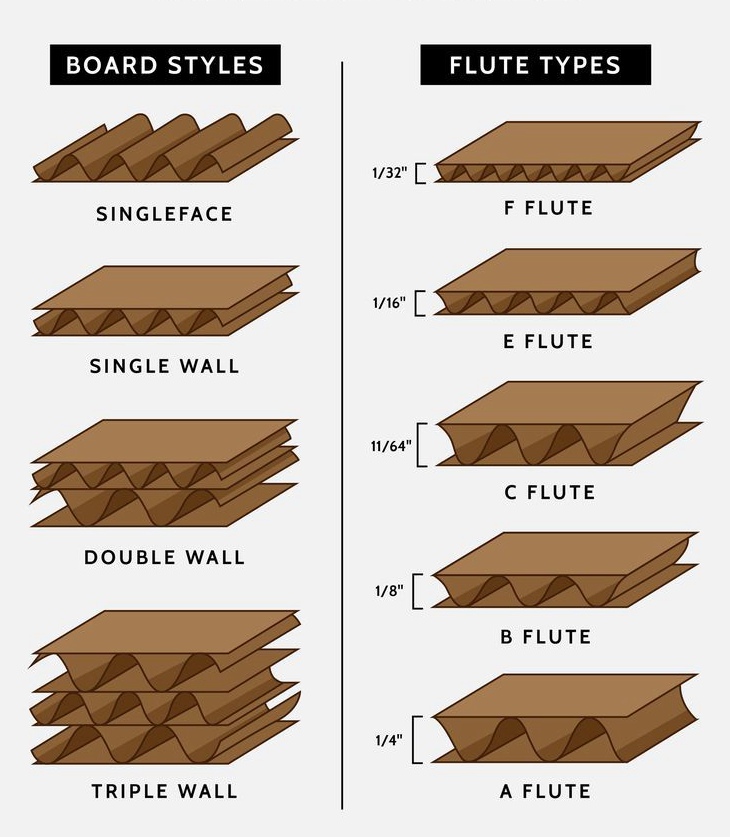
Many publishers now design their custom board game box with both scenarios in mind. They use extra-thick ДСП for retail editions to withstand in-store handling. For direct-to-consumer editions, they may add a corrugated shipping sleeve or double-wall construction. Some have moved to a “mailer box” model, where the game box itself is designed as a shipping-ready container, eliminating the need for a separate outer box.
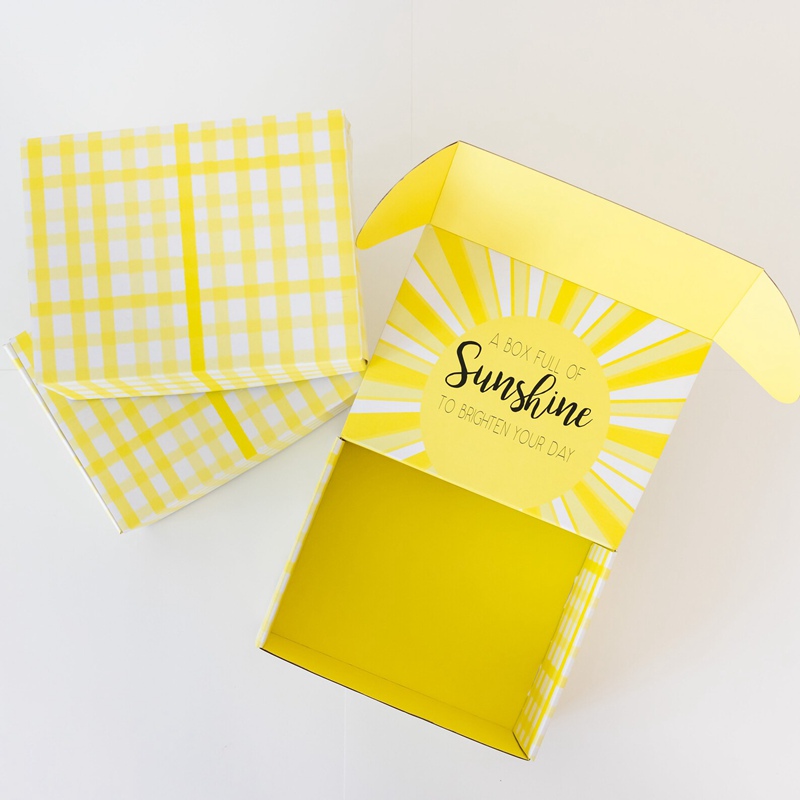
The humble game box has come a long way. What was once an afterthought—a generic white box with a sticker on top—is now a carefully engineered piece of product design. Players notice. Backers notice. Retailers notice.
Ready to produce custom board game boxes for your next project?
We help game publishers of all sizes design and manufacture boxes that protect, impress, and sell. From prototype to production, we handle the details so you can focus on the game.