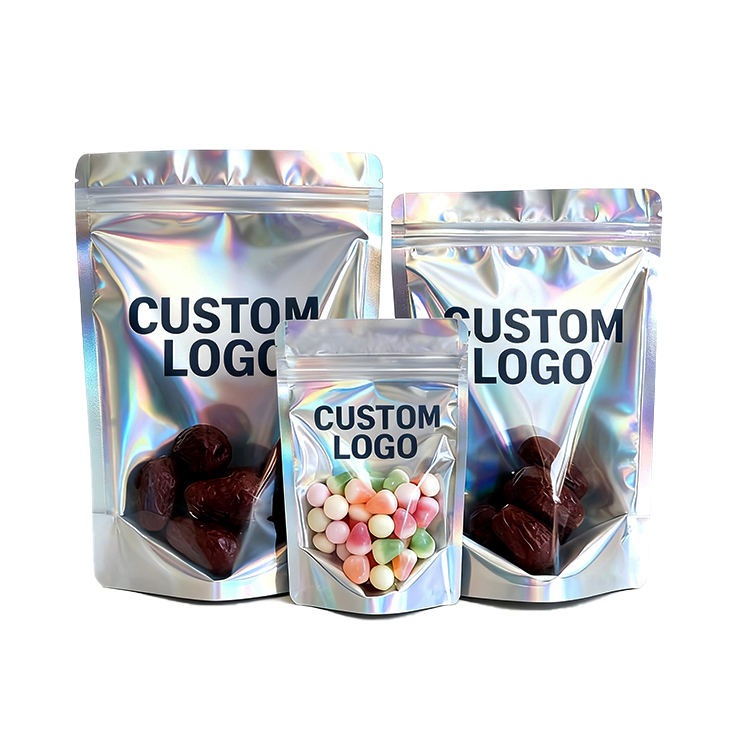
Widely used as functional flexible packaging, Лавсанавыя сумкі are prevalent in food storage, industrial supplies and precision product packaging. Boasting superior barrier protection, they stand out as a top choice for long-term storage, moisture-proofing and fresh-keeping, and are extensively applied to package dry goods, электронныя аксэсуары, chemical raw materials and more. Amid the global drive for low-carbon development and sustainability, the environmental compatibility of Mylar bags has drawn growing attention. Featuring a special multi-layer composite structure, they come with distinct practical merits as well as environmental drawbacks. This article conducts an in-depth analysis of Mylar bags from five perspectives: product definition, material composition, environmental impacts, sustainable advantages and proper application guidelines.
1. What Are Mylar Bags?
Mylar bags are high-performance multi-layer flexible pouches, most commonly with a matte silver appearance, setting them apart from ordinary plastic bags. Unlike conventional single-layer plastic bags, they are engineered for three core strengths: superior barrier performance, high durability and long-term sealing. They effectively block moisture, кісларод, ультрафіялетавых прамянёў і знешніх забруджванняў.
In line with industrial standards, Mylar bags in common gauges of 4mil and 7mil deliver vastly different protection levels. The thickened 7mil version can preserve food in low-humidity environments for decades, making it a staple for household stockpiling, industrial warehousing and cross-border shipping. With reliable protective performance, it solves common problems of conventional packaging such as dampness, акісленне, deterioration and odor transfer, and has become the mainstream option for long-term hermetic packaging.


2. Core Material Composition of Mylar Bags
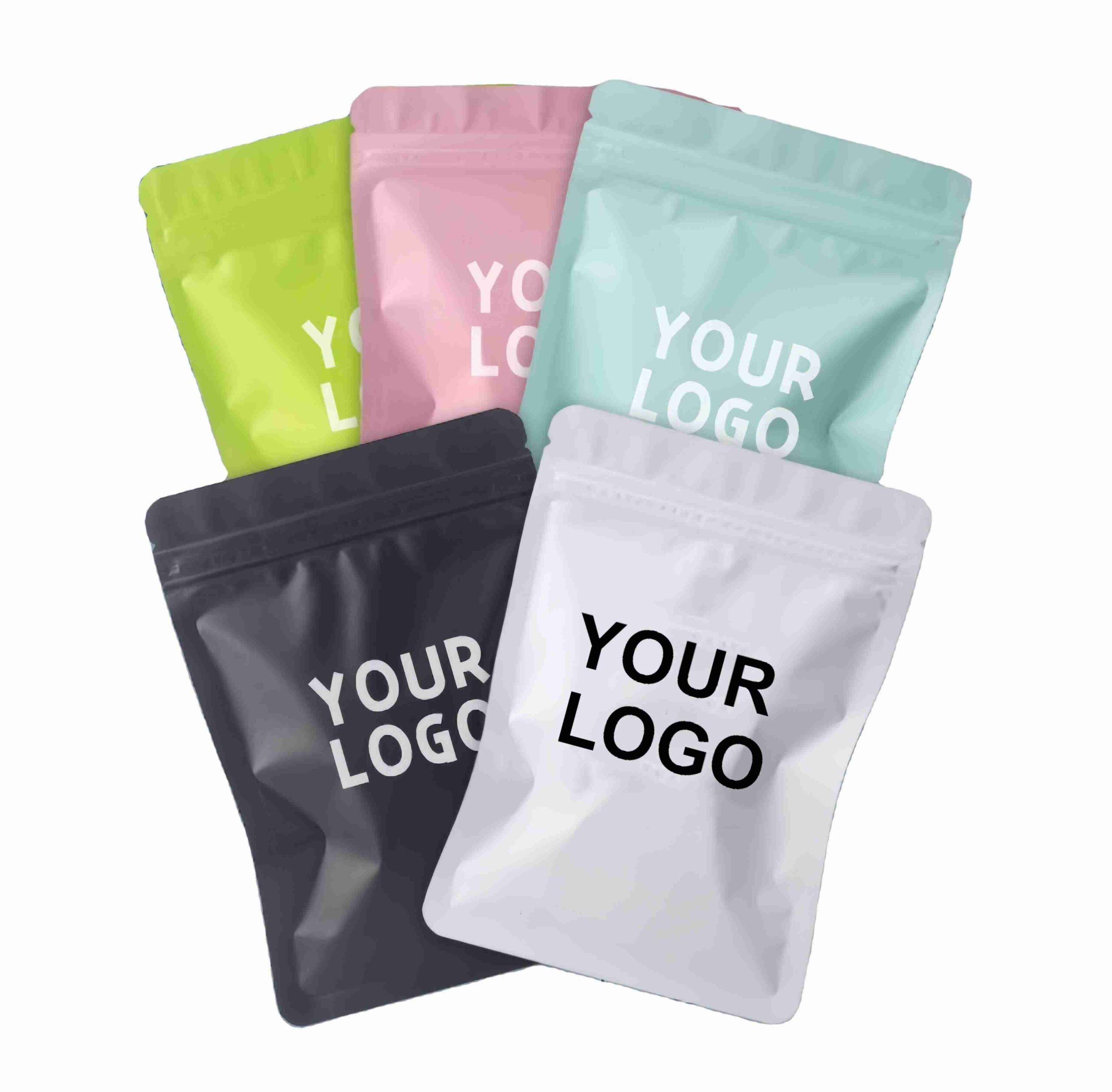
Mylar bags are made of composite materials rather than a single substance. The primary substrate is metallized PET film, lined with flexible polyethylene (PE) фільм. The layers are bonded together with eco-friendly adhesives, and premium variants are equipped with extra reinforcing layers.
Each layer serves a dedicated function to form a complete protective system. The outer metallized PET film provides light shielding, oxygen resistance, tensile strength and puncture resistance. The inner PE layer features excellent sealing performance and supports heat sealing for safe storage of various items. The middle adhesive layer keeps the structure intact and prevents delamination. This composite structure endows Mylar bags with unparalleled advantages over regular packaging:
-Stable physical properties with strong tear and puncture resistance, suitable for long-distance transportation and prolonged storage
-Outstanding barrier performance to stop moisture, oxygen and UV rays and prevent product oxidation and damp damage
-Effective odor locking to isolate external odors and avoid contamination of contents
-Wide adaptability for packaging grains, dry foods, электронныя кампаненты, precision supplies and other products
Тым не менш, this multi-layer structure combining plastic, metal and adhesive is the main reason why Mylar bags are hard to process via mainstream recycling systems.
3. Negative Environmental Impacts of Mylar Bags
Despite their outstanding practical value, the material characteristics of Mylar bags lead to notable environmental concerns regarding waste disposal and carbon emissions throughout their lifecycle, making them a key focus for improvement across the packaging industry.
3.1 Extremely difficult to recycle via conventional systems
Most local recycling stations and curbside recycling bins do not accept Mylar bags. The tightly bonded multi-layer structure, consisting of plastic, aluminum foil and adhesive, cannot be separated by standard recycling equipment. Processing Mylar bags in regular facilities will cause cross-contamination of recyclables, equipment jams and mechanical wear, pushing up overall recycling costs.
У цяперашні час, only a handful of professional organizations such as TerraCycle are equipped with specialized machinery for recycling flexible Mylar packaging. Due to limited facilities and insufficient processing capacity, над 90% of discarded Mylar bags end up outside formal recycling channels.
3.2 Slow natural degradation and high pollution risks in landfills
The main components of Mylar bags — PET plastic and metallized layers — have an extremely long degradation cycle. Buried in dark and oxygen-free landfills, they can persist for decades or even centuries. As they gradually break down, microplastics are generated, which penetrate soil and groundwater, causing persistent ecological pollution and exacerbating the global plastic waste crisis.
3.3 Carbon emissions across the full lifecycle
Carbon footprints are generated throughout the production, processing and transportation of Mylar bags. Manufacturing consumes large volumes of non-renewable fossil fuels including crude oil and natural gas. Processes such as metallization, film lamination and composite bonding release carbon emissions. Additional energy is also consumed during production and delivery, further increasing the environmental burden.
4. Unique Environmental and Practical Advantages of Mylar Bags
Objectively speaking, Mylar bags are not entirely environmentally unfriendly. Their unique functional strengths help reduce resource waste at the source and deliver remarkable sustainable benefits, outperforming many single-use packaging solutions in overall environmental performance.
4.1 Substantially cut food waste and conserve agricultural resources
Industry data shows that the spoilage rate of bulk food stored in ordinary packaging can reach 30% каб 40%. Thanks to excellent barrier properties, Mylar bags fully protect food from oxidation, dampness and pest infestation, значна павялічвае тэрмін захоўвання. When used together with oxygen absorbers, they can keep grains, dry goods, tea and other foods fresh for years or even decades. This cuts food spoilage fundamentally, and indirectly reduces resource consumption and carbon emissions from agricultural production and logistics — a key environmental advantage that paper bags and single-layer plastic bags cannot match.
4.2 Reusability reduces packaging consumption
Mylar bags feature high toughness and wear resistance, and can be reused multiple times if kept intact and undamaged. After each use, simply clean and dry the bag before refilling. For re-sealing, heat sealing works perfectly. Long-term reuse lowers the demand for new packaging, saving raw materials and production energy.
4.3 Lightweight design lowers logistics carbon emissions
Compared with protective packaging such as glass jars, metal cans and rigid cartons, Mylar bags are ultra-lightweight. They can be stored flat and stacked efficiently, effectively reducing the total weight of shipments and cutting fuel consumption and vehicle exhaust. Their low-carbon logistics edge is particularly prominent in bulk warehousing and cross-border trade.
Guidelines for Proper Use and Disposal of Mylar Bags
To maximize the environmental value of Mylar bags, please follow the tips below:
Prioritize reuse: Clean and fully dry the bags before refilling. Use clips for short-term sealing; for long-term storage, combine heat sealing with oxygen absorbers.
Choose professional recycling channels: Do not dispose of Mylar bags in regular recycling bins. Turn to local specialized flexible packaging recyclers or corporate recycling programs.
Make rational purchases: Buy according to actual needs and avoid overstocking. Opt for products with recycling labels or those made from recycled materials when possible.
Explore alternative options: Where applicable, switch to recyclable mono-material plastic bags, paper-based composite packaging or plant-based compostable materials to balance protection needs and environmental goals.
Standard waste disposal: If recycling is unavailable, dispose of used bags as general waste in compliance with local waste sorting regulations.
Professional Eco-Friendly Packaging Solutions from Green Packaging
Addressing the environmental challenges and application demands of high-performance packaging like Mylar bags, Green Packaging delivers one-stop customized packaging and optimization services for brands, industrial and trading enterprises, as well as cross-border sellers. With years of expertise in functional and sustainable packaging, we develop practical and well-balanced solutions tailored to clients’ product storage requirements, shipping scenarios, budget and environmental compliance standards.
We provide customized Mylar bags with bespoke sizes, printing and optimized sealing techniques, helping businesses leverage the full protective performance of Mylar bags and cut packaging waste. Тым часам, we offer eco-friendly replacement solutions. For scenarios that do not require extreme barrier protection or ultra-long storage, we recommend recyclable mono-material packaging, recycled paper packaging and plant-based compostable packaging. These alternatives minimize carbon footprints and environmental impact without compromising packaging performance.