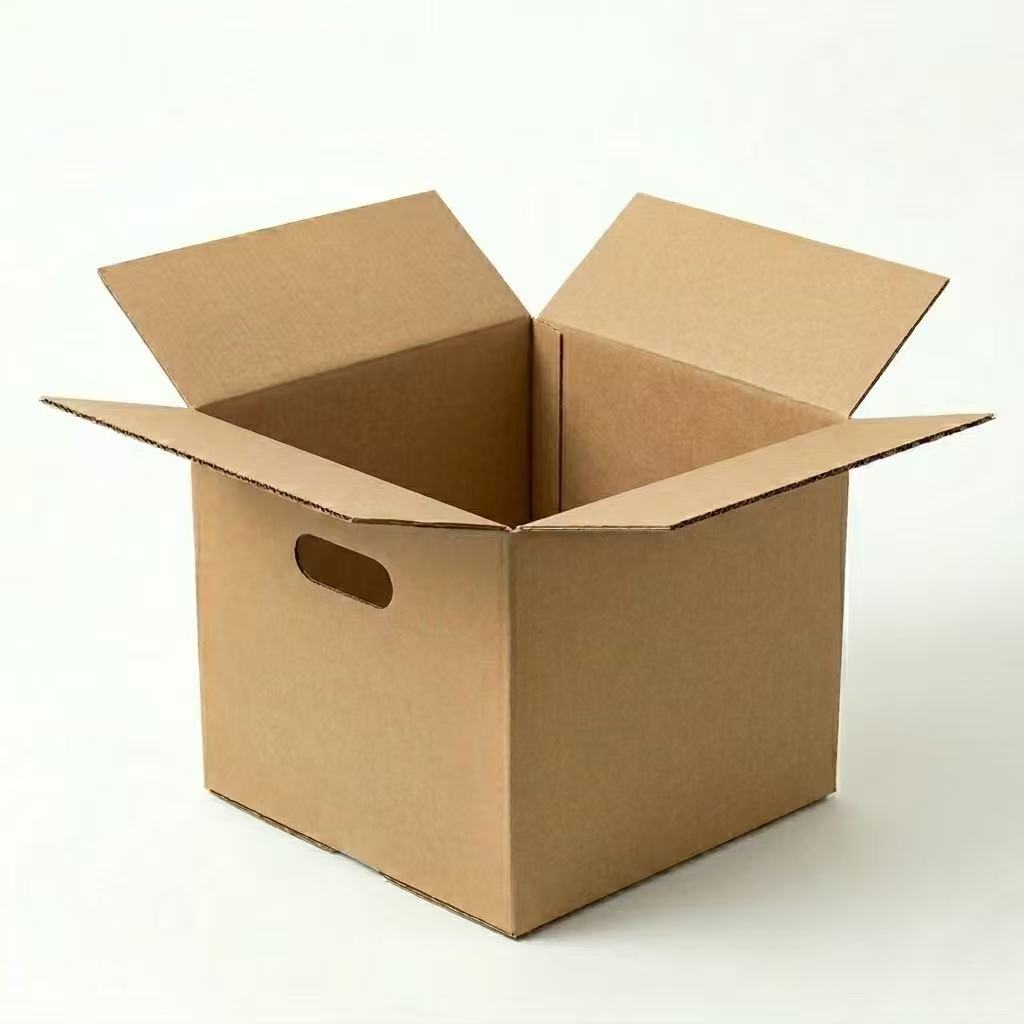
Every訂閱盒 that lands on a customer‘s doorstep carries more than products. 佢帶住期望. 第三、第四次交貨之後, 「有啲嘢到達」嘅新奇感消失咗. 令訂閱者月月興奮嘅唔單止係盒入面嘅嘢, but how the box makes them feel when they open it.
That feeling is largely designed. And for brands selling through subscription models, packaging is one of the few touch points they control completely. Unlike retail shelves where products compete for attention, a Subscription Box arrives in a private moment. The customer is already engaged. The question is whether the packaging turns that engagement into loyalty—or just another cardboard box to break down.
Below are five practical design strategies that transform a standard Subscription Box into a loyalty-building machine. Each strategy focuses on real-world execution, not abstract theory.
Layered Reveal That Extends the Experience
Most subscription boxes open in one motion. Lift the lid, see everything at once, and done. That is efficient, but it is not memorable.
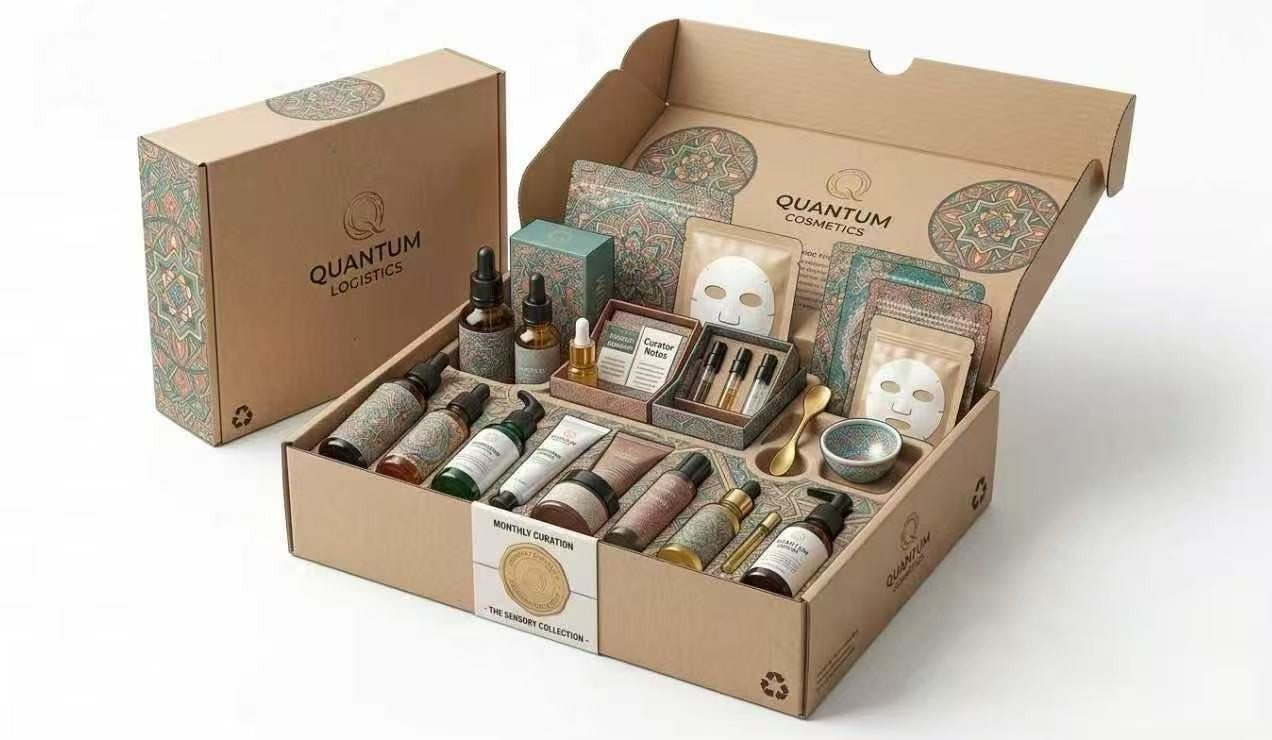
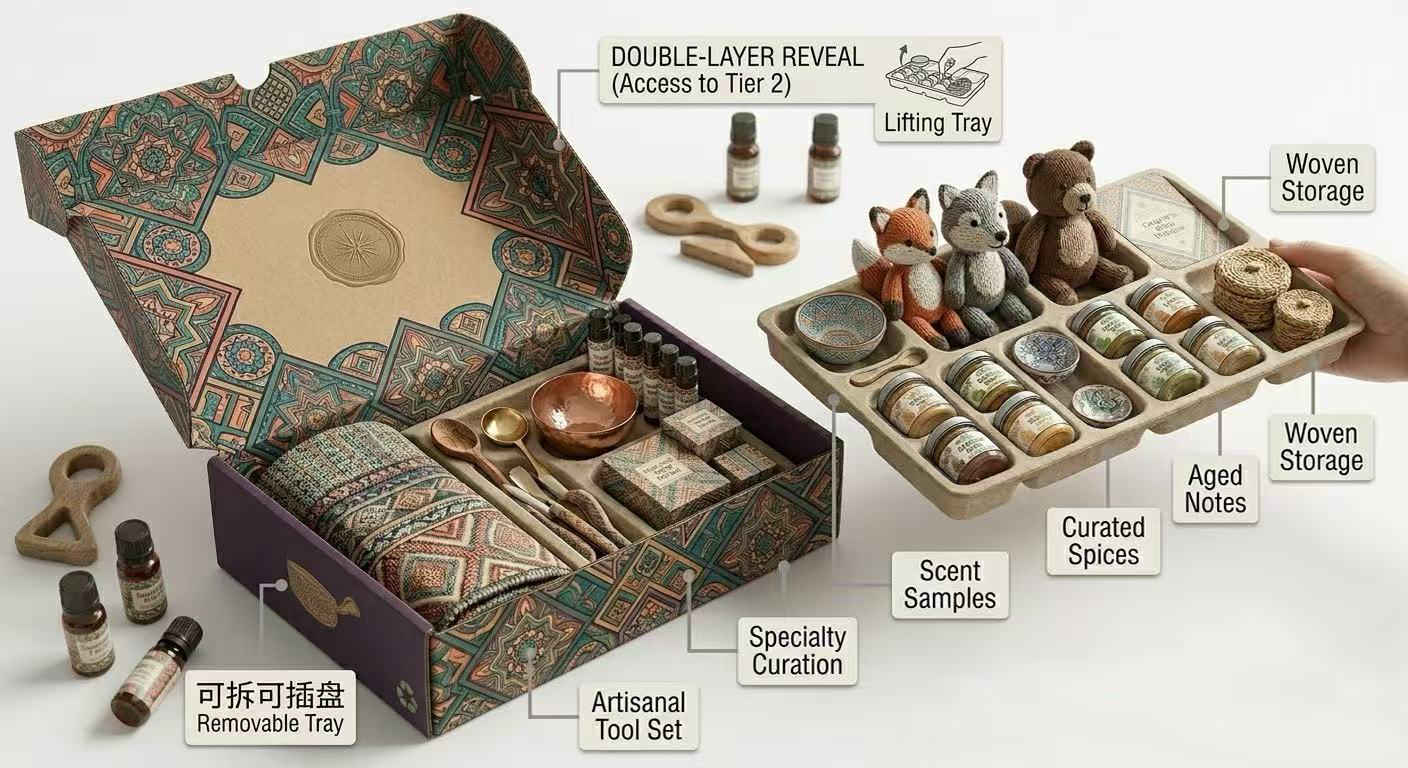
A layered reveal deliberately slows down the unboxing. Instead of exposing all contents immediately, the Subscription Box is organised into visual layers. 例如: a branded tissue paper on top, hiding the main products. Under the tissue, a small card or a sample. Then a tray that lifts out to reveal a second tier of items.
Each layer creates a small moment of discovery. The customer actively participates in uncovering the box, which increases their sense of ownership and delight. Studies in consumer psychology suggest that effort invested in opening a package correlates with higher perceived value of the contents.
How to implement: Work with your packaging supplier to design internal trays or dividers that create distinct zones. Use tissue, crinkle paper, or lightweight inserts to separate layers. Ensure the lid or flaps allow for partial opening—a full tear-away top removes the chance to reveal gradually.
Custom Inserts That Reduce Rattle and Increase Surprise
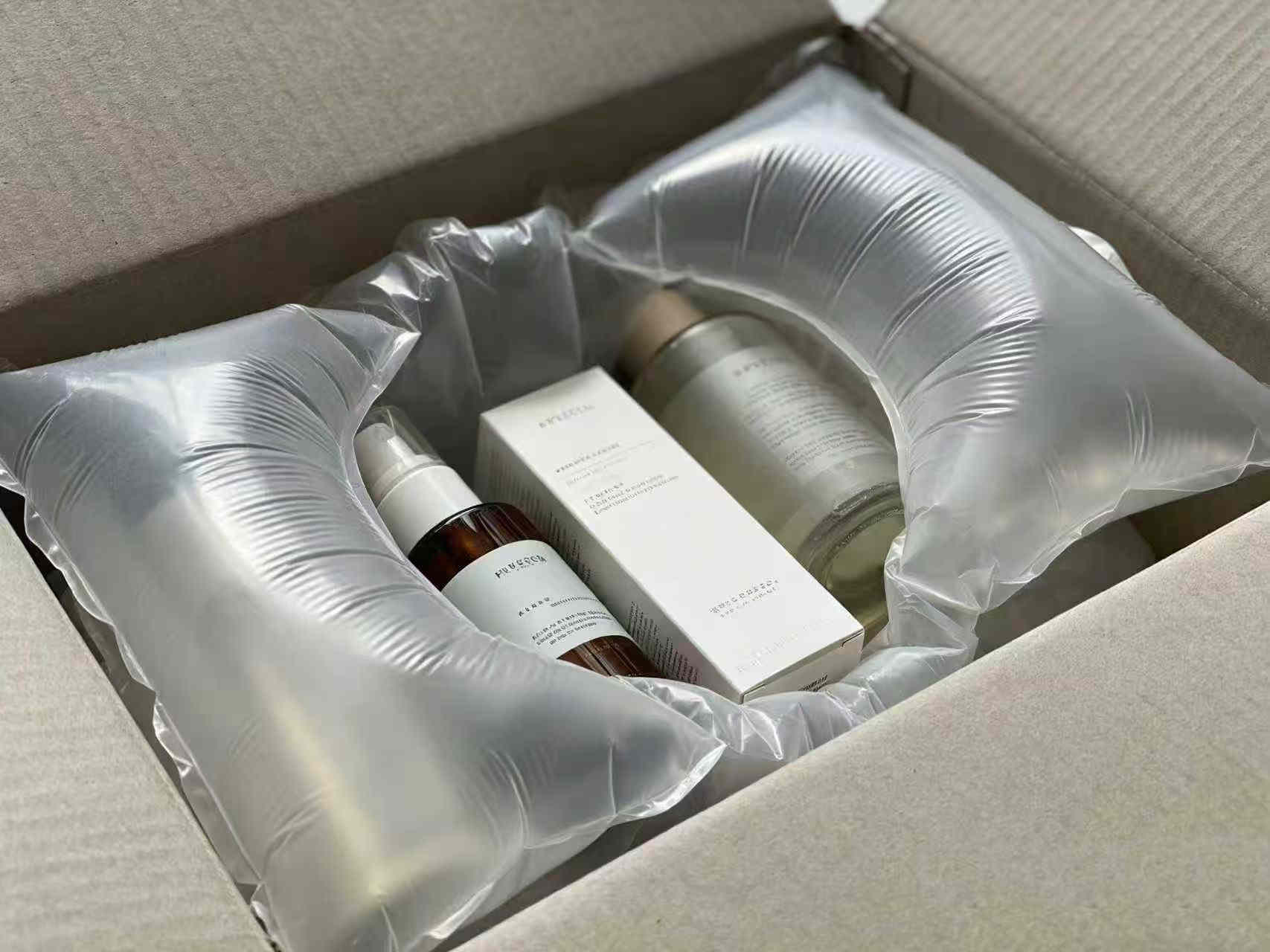
Nothing kills the premium feel of a Subscription Box faster than the sound of items rattling loosely inside. That noise signals poor planning. It makes the package feel generic and rushed.
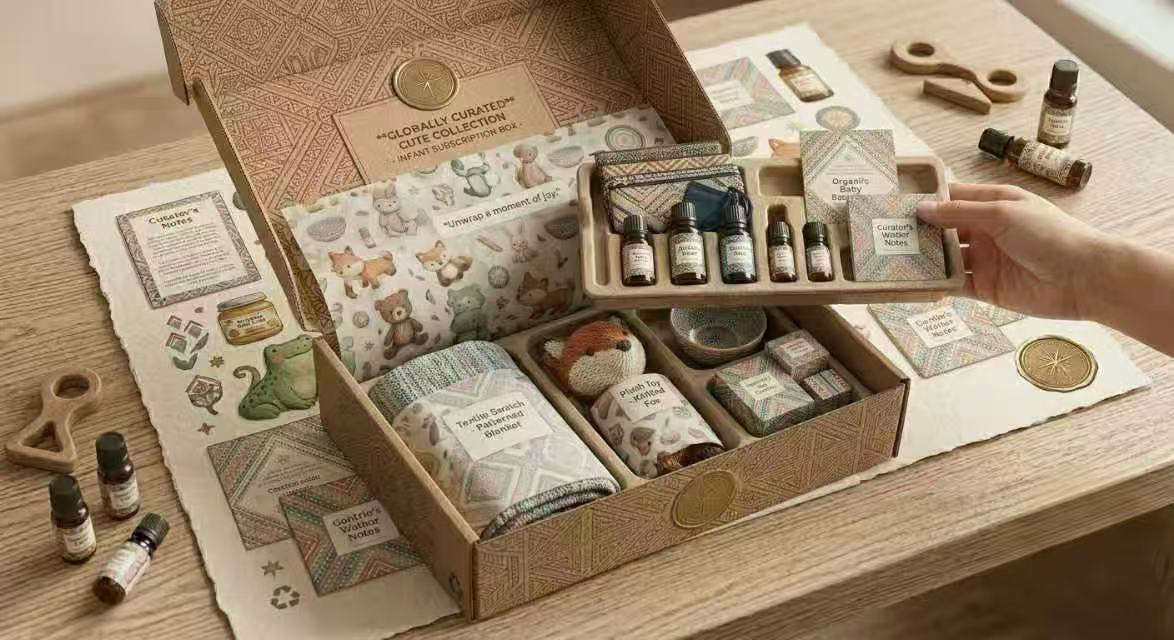
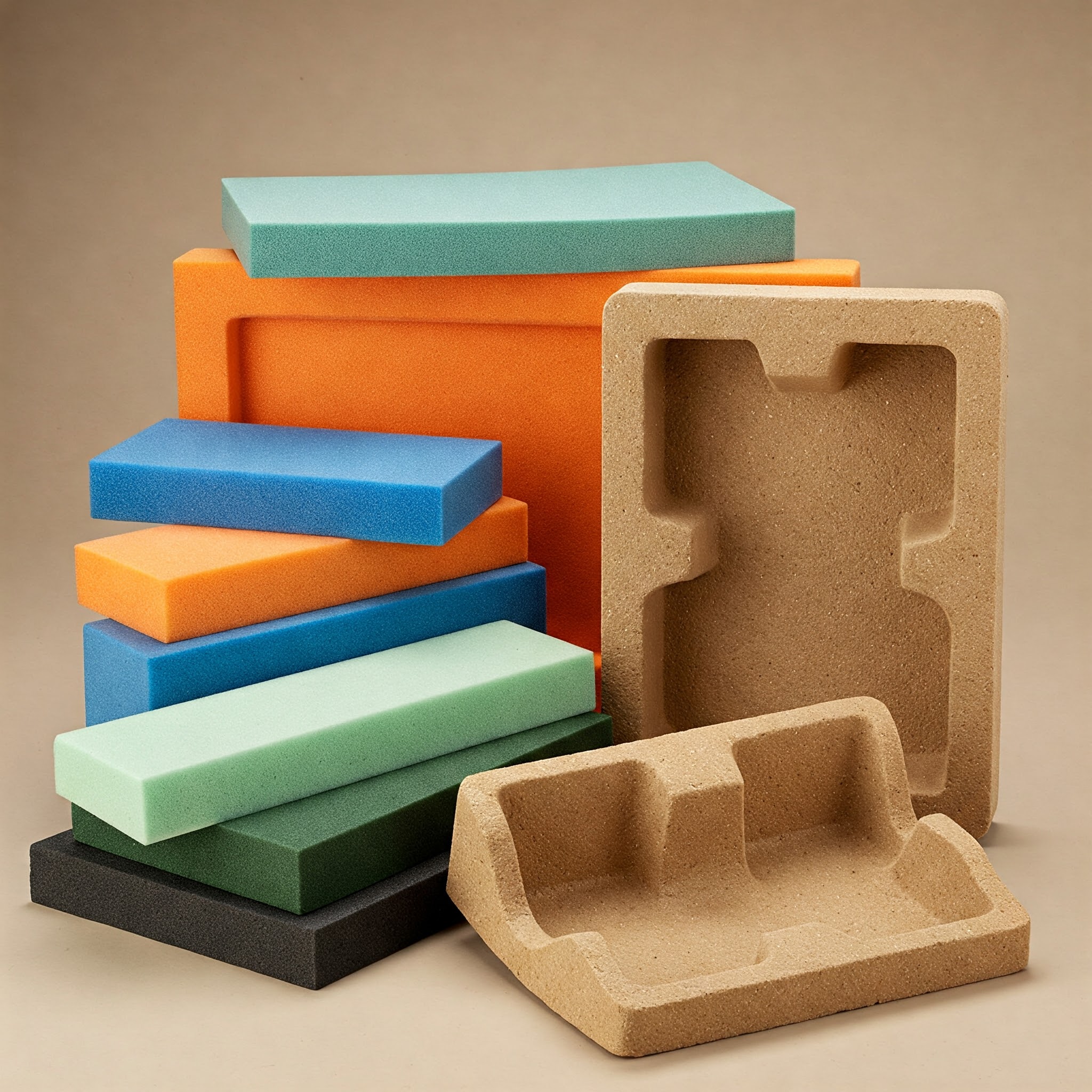
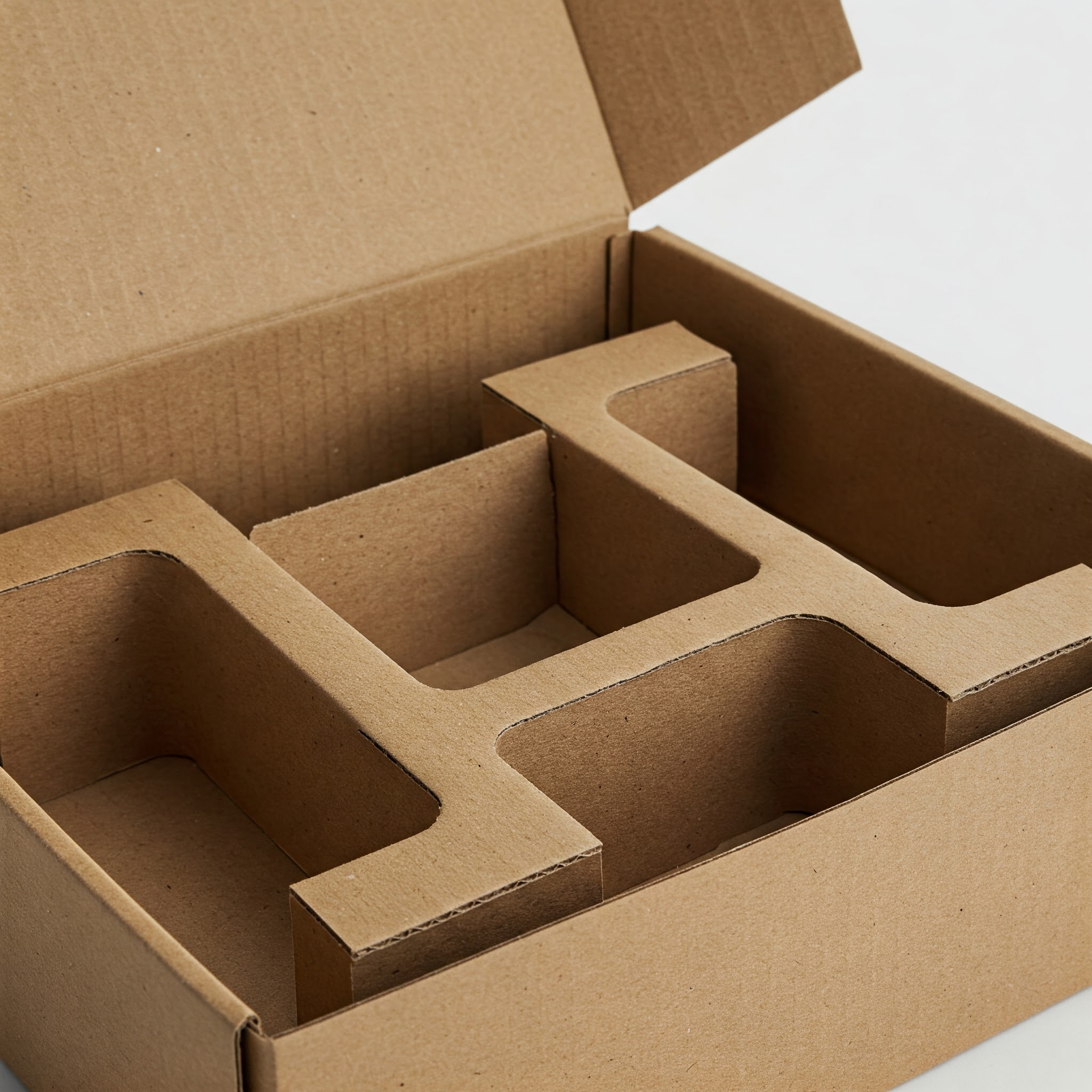
自訂插入物 solve this problem while adding a surprise element. A die-cut foam or paperboard insert holds each product in its own cavity. When the customer opens the box, they see a neat, organised layout—almost like opening a jewellery case. The absence of rattle reassures them that the brand cares about details.
But inserts can do more than just hold items. They can hide products. A deep insert with a removable top layer allows you to place a “hero” item underneath, creating a second-stage reveal. Some subscription brands use inserts with perforated flaps that the customer lifts to find a bonus gift.
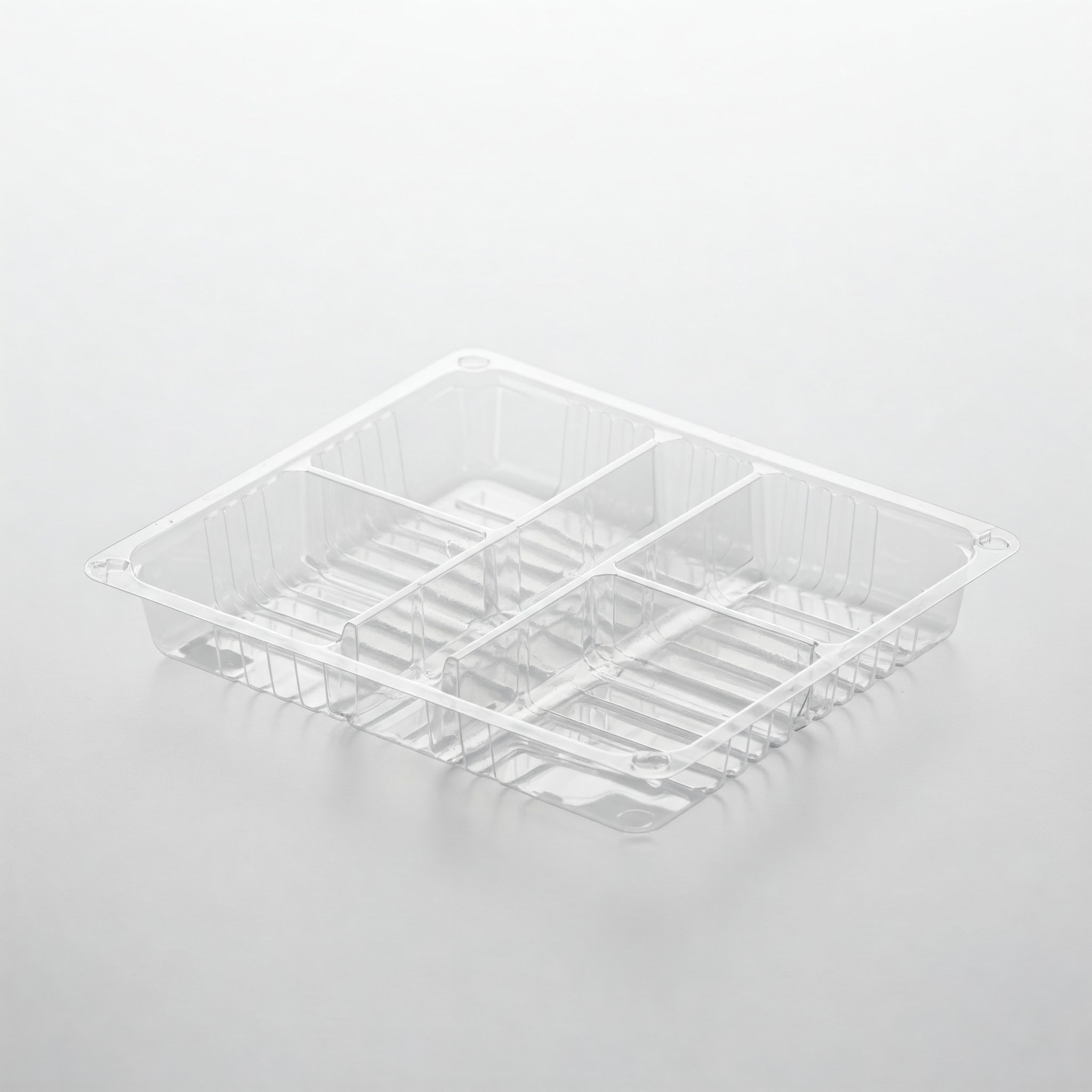
How to implement: Inserts do not require expensive tooling for small runs. Many packaging manufacturers offer custom die-cut inserts using standard corrugated or paperboard sheets. Start with a simple one-piece insert that fits the exact dimensions of your Subscription Box. Add cavities gradually as your volume grows.
Branded Tissue and Filler That Extends the Unboxing Ritual
Tissue paper and filler materials are often treated as afterthoughts. But in a Subscription Box, these soft elements serve two critical functions.
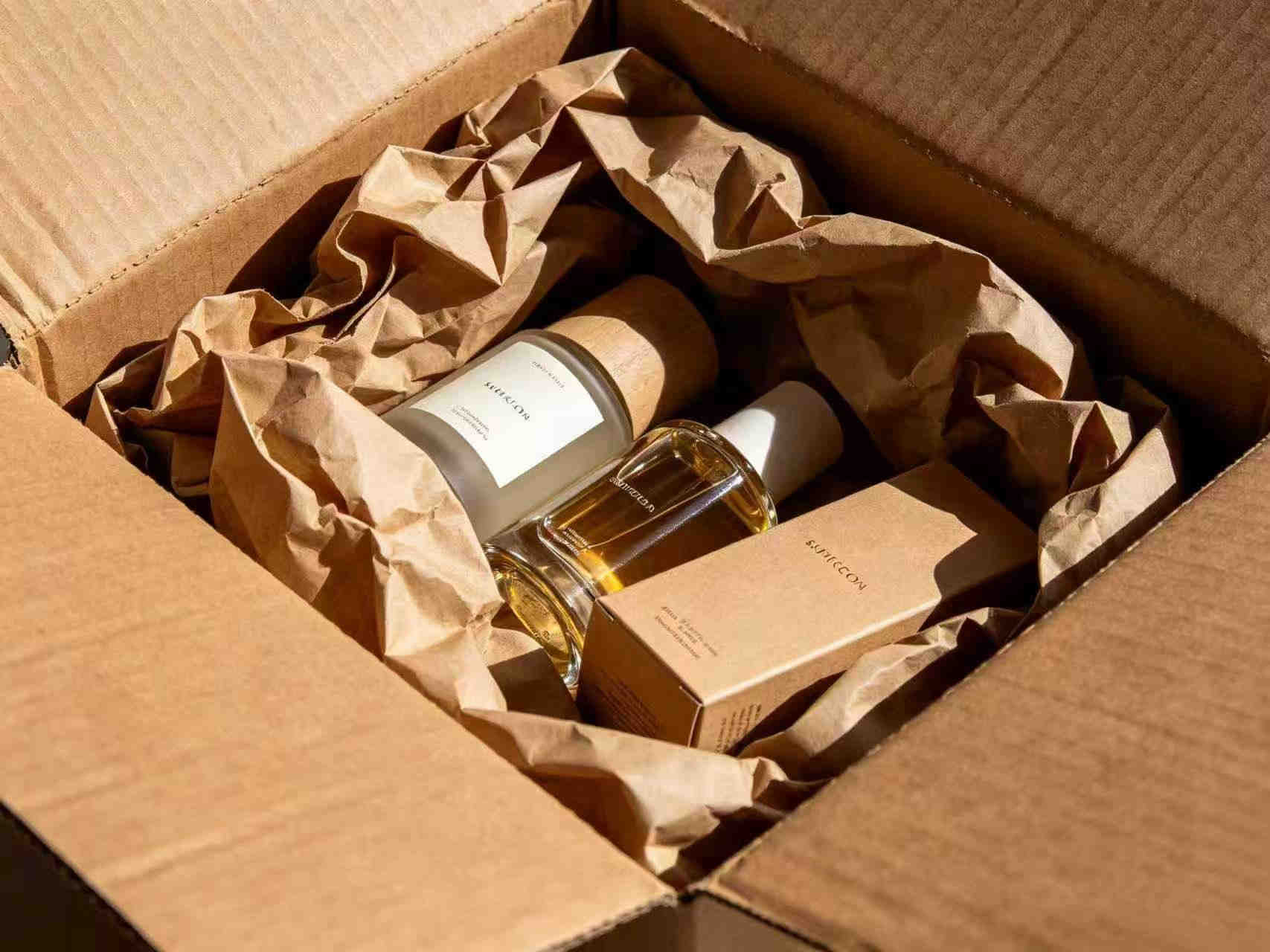
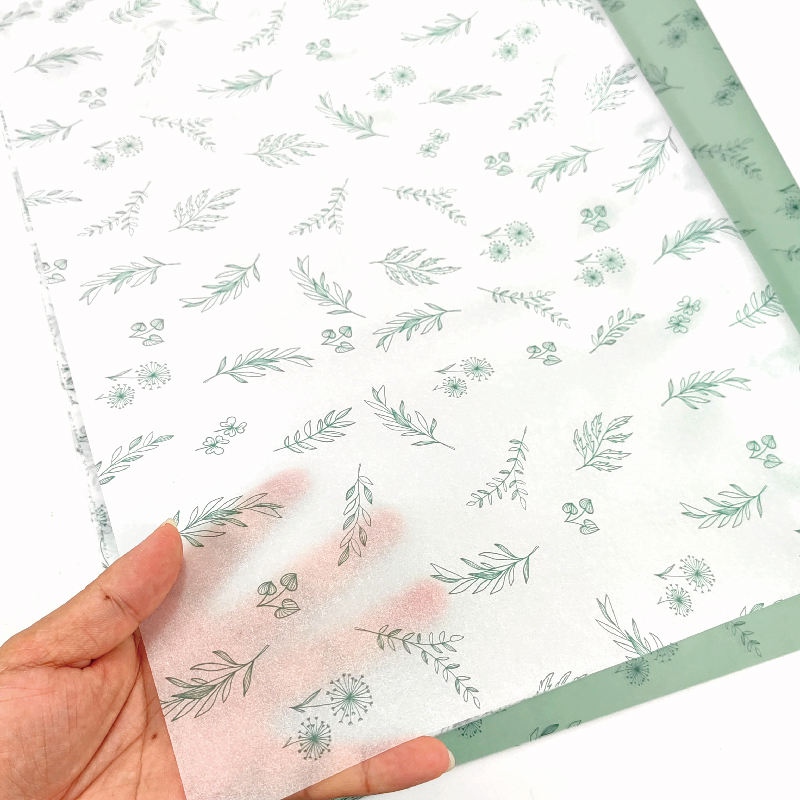
第一, they protect products from scratching and shifting during transit. Second—and more importantly—they create a ritual. Unfolding a piece of custom-printed tissue paper takes a few seconds. Crumpling it, setting it aside, and discovering what lies beneath becomes a small ceremony. That ceremony separates a subscription delivery from a standard online order.
The visual and tactile qualities of the filler matter as well. Shredded kraft paper in brand colours, biodegradable confetti, or even fabric wraps all contribute to the sensory experience. Customers often photograph these details for social media, effectively advertising the Subscription Box to their followers.
How to implement: Order tissue paper printed with your logo, a pattern, or a seasonal message. Avoid plastic-based filler materials like styrofoam peanuts, which feel cheap and damage brand perception. Test different filler volumes to find the balance between protection and excess—too much filler frustrates customers, too little leaves products vulnerable.
Collectible or Reusable Outer Box Design
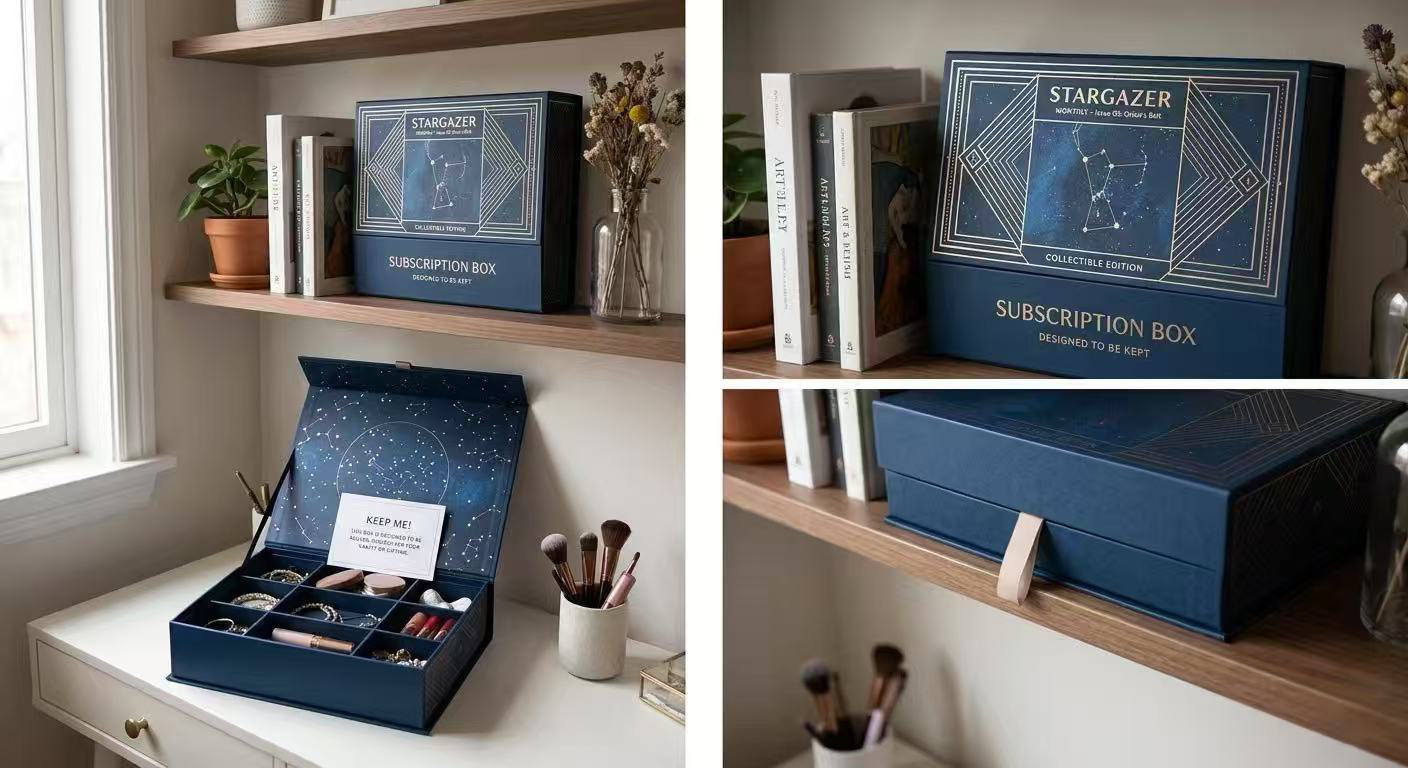
Most subscription boxes are thrown away within a week. But a Subscription Box designed to be kept changes the economics of loyalty. If the outer box is attractive enough to store items, display on a shelf, or reuse for gifting, it stays in the customer’s life long after the products are consumed.
Every time they see that box, they think of your brand. That repeated exposure builds loyalty without additional marketing spend.
Collectible designs work especially well for multi-month subscriptions. A series of boxes with different artwork (seasons, themes, collaborations) encourages subscribers to keep every delivery. Some brands have created secondary markets where customers trade or sell empty boxes from past months.
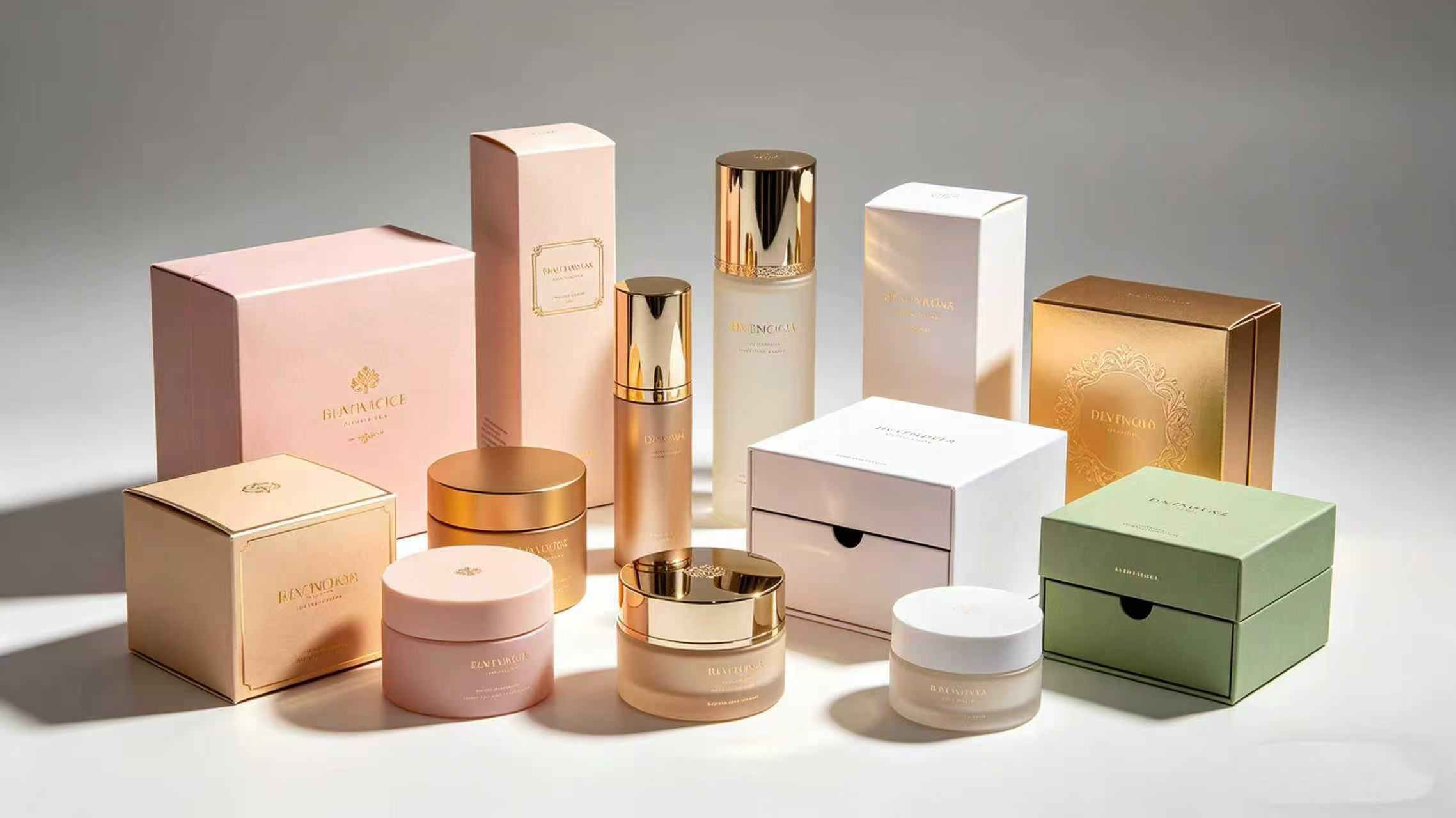
How to implement: Use thick, rigid paperboard for the outer shell rather than standard corrugated. Add features that increase reuse value: 磁性封閉, ribbon pulls, or dividers that convert the box into a drawer organiser. Print the design on the inside as well as the outside, so the box looks good even when open. Communicate the reuse potential clearly on the packaging—a small note saying “keep me for your vanity” signals intent.
Personalisation That Changes Month to Month
A generic Subscription Box works for the first delivery. By the third month, the customer has seen the same design twice. By the sixth month, the packaging becomes invisible.
Personalisation breaks that pattern. It does not need to be complex or expensive. 細, variable changes to the packaging—the subscriber’s name printed on the inner sleeve, a different 貼 紙 on the lid each month, a hand-written thank-you note tucked inside—signal that the brand sees the customer as an individual, not a number.
Variable data printing makes this feasible even for large runs. A digital press can print different names, different loyalty messages, or different QR codes on every Subscription Box without slowing production. Some brands use this technology to celebrate milestones: “You’ve been with us for 6 一個月!” printed on the tissue paper.
How to implement: Discuss variable printing capabilities with your packaging supplier. Start with a simple element that changes monthly, such as a sticker or a small card. Collect subscriber names and subscription anniversaries from your CRM. For higher-volume operations, invest in digital print-on-demand for outer boxes, allowing you to run shorter, more personalised batches.


Bringing the Five Strategies Together
You do not need to implement all five strategies at once. Start with the ones that address your current pain points.
If customers complain about damaged products or messy unboxing, focus on自訂插件and branded filler first. If retention drops after the second or third month, experiment with layered reveals and personalization. If you want to build a community around your subscription, invest incollectible box designs that customers proudly display.
The common thread across all five strategies is intention. A Subscription Box that feels thoughtfully designed communicates respect for the customer‘s time, money, and attention. That respect is the foundation of loyalty.
For packaging suppliers, the subscription market represents a growing opportunity. Brands are moving away from “one size fits all” shipping boxes and toward customised, experience-driven packaging. By offering layered structures, 自訂插件, branded tissue, reusable rigid boxes, and variable printing, you position yourself as a partner in loyalty—not just a vendor of cardboard.
Ready to design a Subscription Box that keeps customers coming back?
We help subscription brands create packaging experiences that reduce churn, increase social sharing, and turn monthly deliveries into rituals.