Packaging foam is an essential solution for protecting products during transportation and storage, particularly for fragile or delicate items. In this guide, you’ll learn everything there is to know about foam. What packaging foam is, the various types available, their advantages, applications, benefits, and how to customize foam solutions.
What is Packaging foam?
Packaging foam is a protective material designed to cushion and safeguard products during transit or storage. It is engineered to absorb shocks, impacts, and vibrations, preventing damage to fragile items such as electronics, glassware, or medical equipment. Made from various materials, packaging foam comes in multiple forms, including sheets, wraps, pouches, and custom-molded inserts, making it highly adaptable to different product shapes and sizes. Its lightweight nature and ability to provide a snug fit ensure products remain secure, reducing the risk of movement or damage during handling.
Different Types of Foam for Packaging and Their Advantages
Several types of foam are used in packaging, each with distinct properties that make them suitable for specific applications. Below is a detailed overview of the most common types, along with their advantages:
Ethylene Vinyl Acetate (EVA) Foam
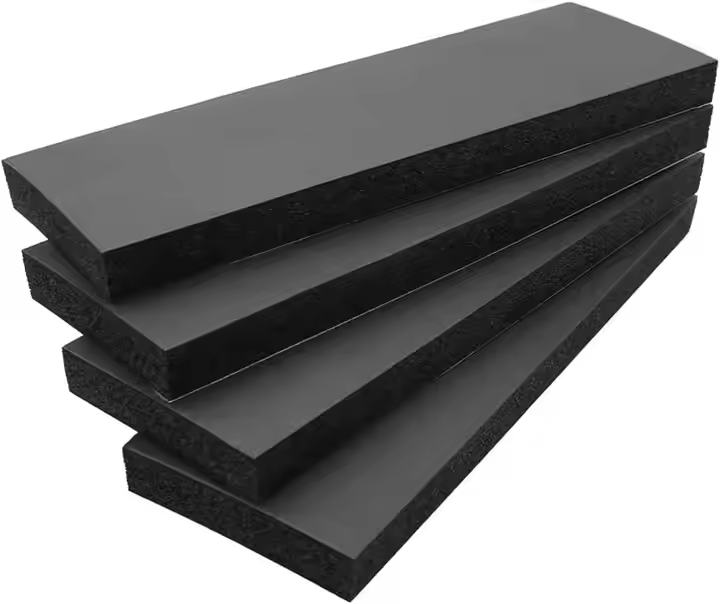
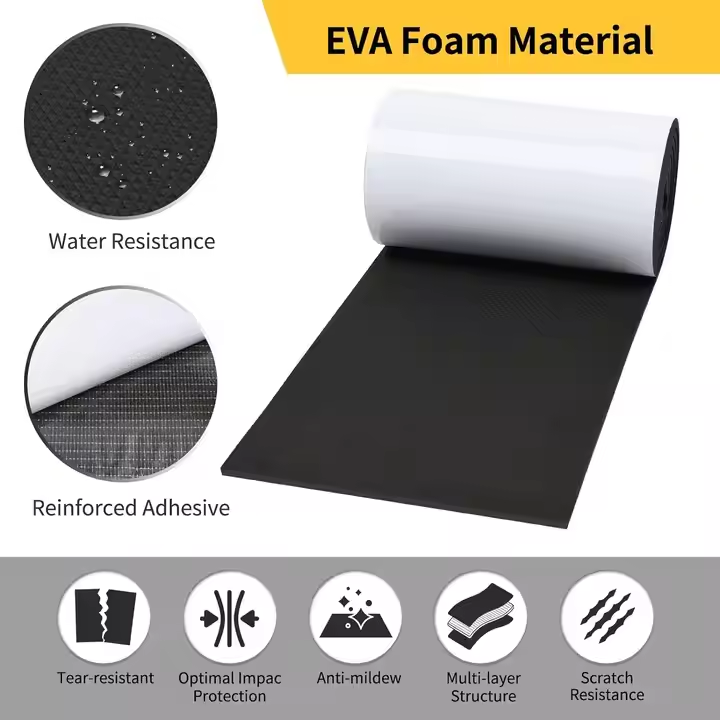
EVA foam is a versatile material characterized by a closed-cell structure that combines softness with resilience, making it ideal for protecting delicate items. Its water-resistant and UV-stable properties ensure durability even in harsh environments, while its flexibility allows for easy customization—whether die-cut into precise shapes or molded around irregular products. Commonly used in electronics packaging to cushion smartphones and laptops, as well as for sports equipment like golf clubs or medical devices, EVA foam absorbs shocks effectively and prevents scratches or impacts, all while remaining lightweight and easy to handle.
Polyurethane (PU) Foam
Renowned for its adaptability, polyurethane foam is available in both open-cell (for breathable, soft padding) and closed-cell (for denser, rigid protection) forms. Lightweight yet robust, it offers exceptional shock absorption, with customizable densities that let manufacturers tailor protection to specific needs—from plush inserts for furniture cushions to firm, supportive liners for automotive parts. Its compressibility ensures a snug fit around products, reducing movement during transit, while its affordability and wide availability make it a go-to choice for general packaging, including electronics, appliances, and industrial components.


Polyethylene (PE) Foam
PE foam stands out for its closed-cell, flexible structure that balances cushioning with chemical resistance, making it highly suitable for environments where exposure to moisture, oils, or solvents is a concern. Common in medical packaging for sterilized equipment, electronics for circuit board protection, and automotive parts for engine components, its low cost and ease of cutting into sheets or custom shapes make it a practical option. While lightweight, it offers reliable shock absorption, ensuring products remain intact during rough handling, and its non-abrasive surface prevents scratches on sensitive surfaces.
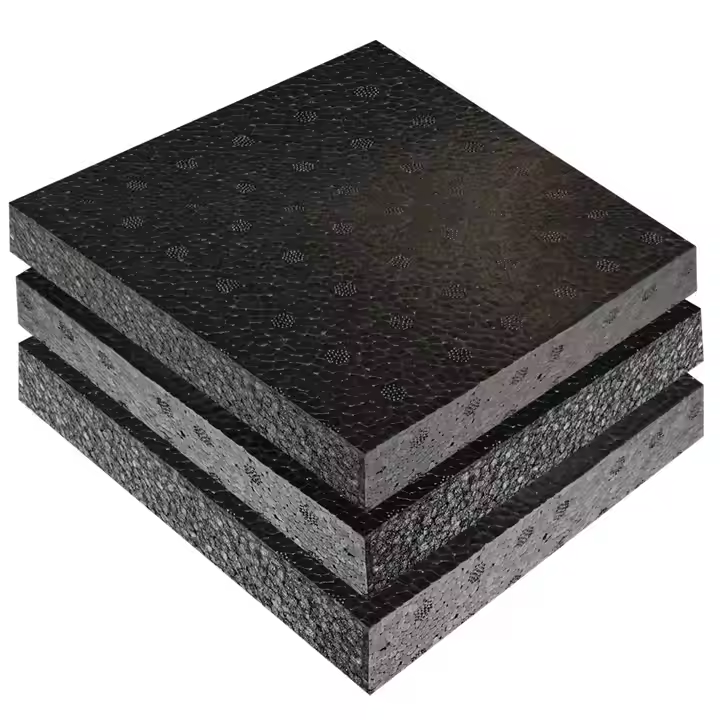
Expanded Polystyrene (EPS) Foam
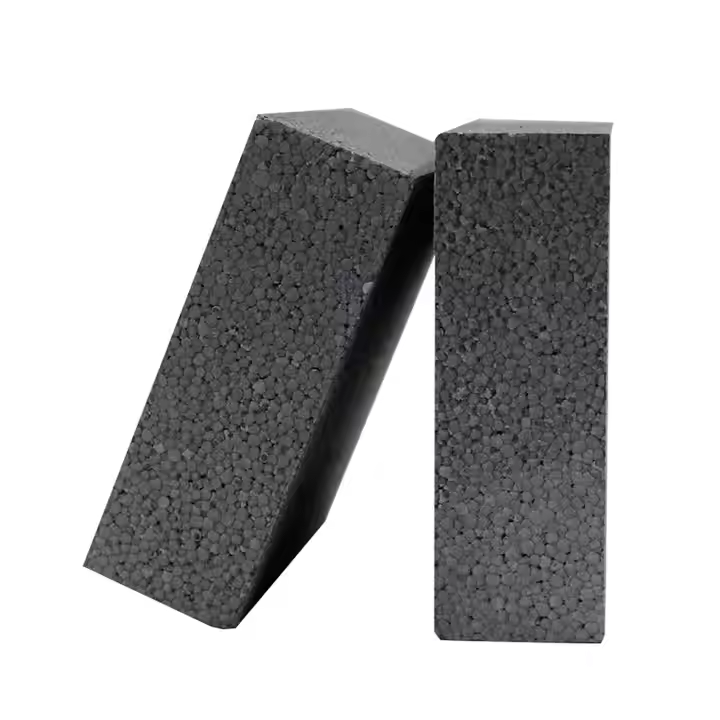
A staple in rigid packaging, EPS is prized for its lightweight strength and thermal insulation, making it a cost-effective solution for bulky or fragile items like household appliances, glassware, and food containers (where it also helps maintain temperature control). Formed by expanding polystyrene beads into a mold, it creates a rigid, impact-resistant structure that withstands drops and vibrations. However, its environmental footprint is a notable drawback compared to newer alternatives—while highly affordable, EPS is non-biodegradable and less recyclable, prompting a shift toward more sustainable options in eco-conscious industries.
Expanded Polyethylene (EPE) Foam
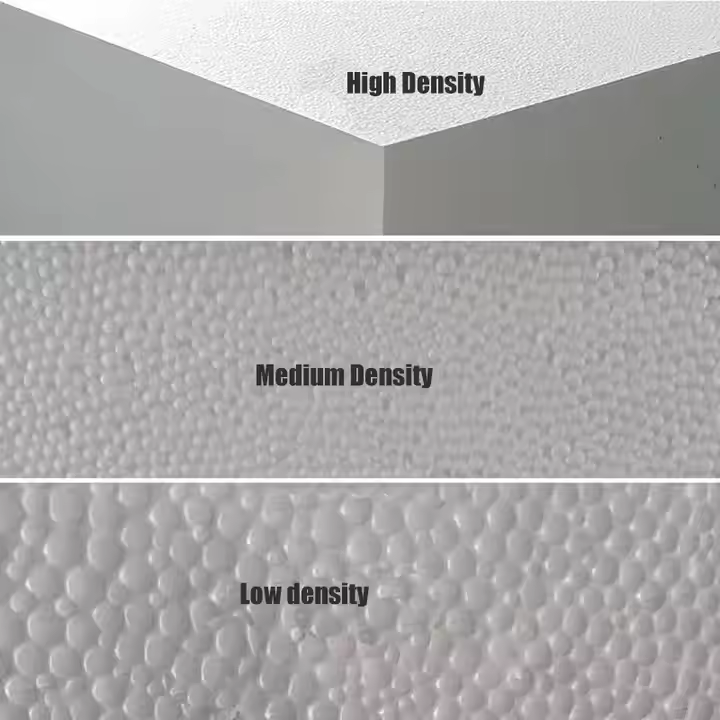
EPE foam bridges the gap between flexibility and sustainability, featuring a closed-cell, soft texture that conforms to irregular shapes without compromising protection. Ideal for high-vibration scenarios, such as shipping electronics, medical devices, or delicate machinery, it absorbs shocks efficiently while resisting moisture and chemicals. Unlike EPS, EPE is fully recyclable and often biodegradable, making it a greener choice for brands prioritizing sustainability. Its versatility extends to applications like furniture edge protection and padded envelopes, where its lightweight design reduces shipping costs without sacrificing performance.
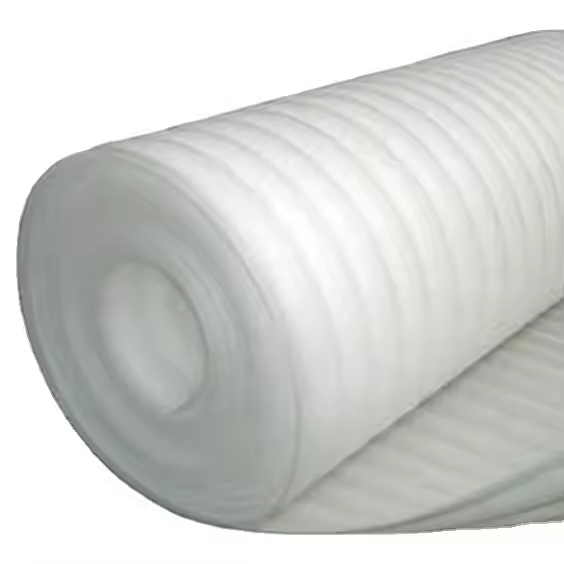
Cross-Linked Polyethylene (XLPE) Foam
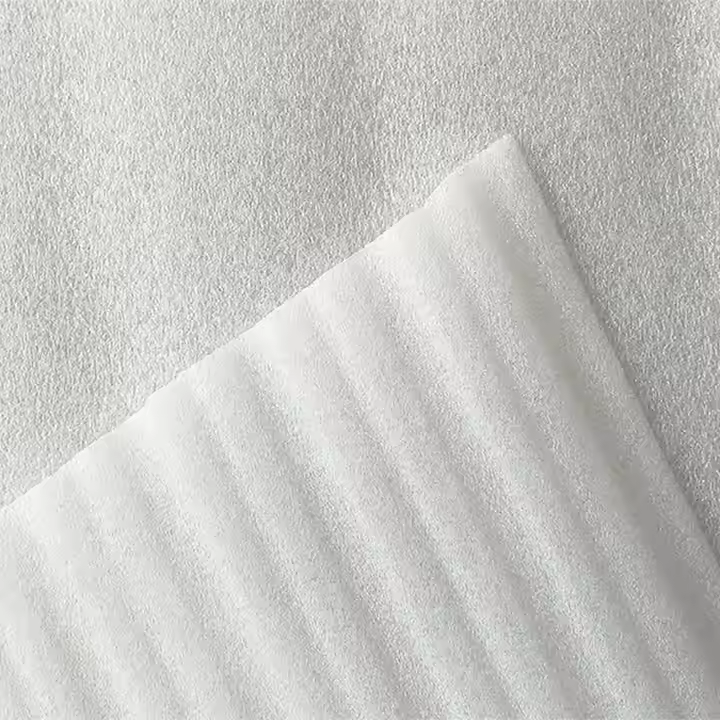
Engineered for extreme durability, XLPE is a dense, closed-cell foam with superior resistance to water, UV rays, and abrasion, making it a top choice for industries demanding long-term protection in harsh conditions. Used in aerospace for securing aircraft components, military packaging for rugged equipment, and automotive for under-the-hood parts, its chemical stability ensures it won’t degrade when exposed to oils or solvents. Though heavier than some alternatives, XLPE’s high tensile strength and ability to maintain structural integrity over time make it indispensable for valuables that require maximum safeguarding during extended storage or transport.

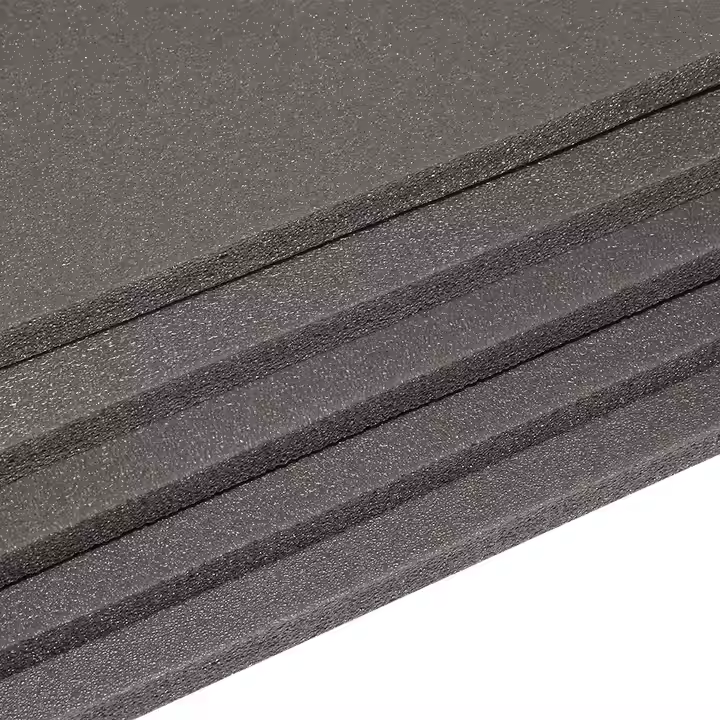
Expanded Polypropylene (EPP) Foam
EPP foam combines lightweight design with impressive impact resistance, making it a favorite for reusable packaging solutions. Its closed-cell structure is both recyclable and oil-resistant, rendering it suitable for automotive applications like bumper inserts, medical equipment that requires sterilization, and sports gear such as protective padding for helmets. Unlike more brittle foams, EPP retains its shape after repeated impacts, making it ideal for products that undergo frequent handling or need to be shipped multiple times. Its eco-friendly profile and mechanical resilience position it as a forward-thinking choice for modern packaging needs.

| Foam Type | Key Advantages | Common Applications |
| Ethylene Vinyl Acetate (EVA) | Versatile, durable, flexible; excellent shock absorption; lightweight; water- and UV-resistant | Electronics, sports equipment, medical devices |
| Polyurethane (PU) | Lightweight, durable, customizable; excellent shock absorption; available in various densities | General packaging, electronics, furniture |
| Polyethylene (PE) | Flexible, good cushioning; resistant to water and chemicals; durable | Medical, electronics, automotive |
| Polystyrene (EPS) | Lightweight, rigid, cost-effective; provides strong support; good shock absorption | Electronics, appliances, glassware |
| Expanded Polyethylene (EPE) | Lightweight, durable; protects against impact and vibration; moisture-resistant | Electronics, medical devices, fragile items |
| Cross-Linked Polyethylene | High strength, durable; resistant to water, chemicals, UV radiation | Aerospace, automotive |
| Expanded Polypropylene (EPP) | Lightweight, recyclable;impact resistance; oil-resistant | Sports gear products, medical equipment, general packaging |
Diverse Industrial Applications of Packaging Foam
Foam packaging is used across a wide range of industries to protect products during transportation and storage. Its versatility allows it to cater to various product types and requirements. Common applications include:
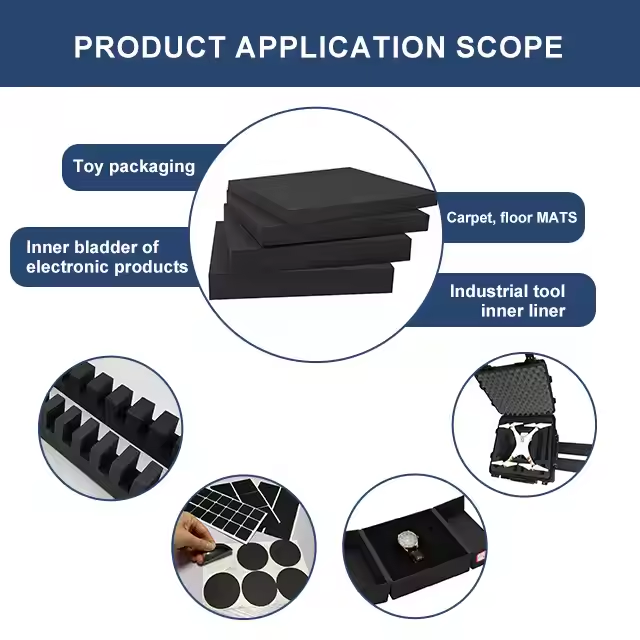
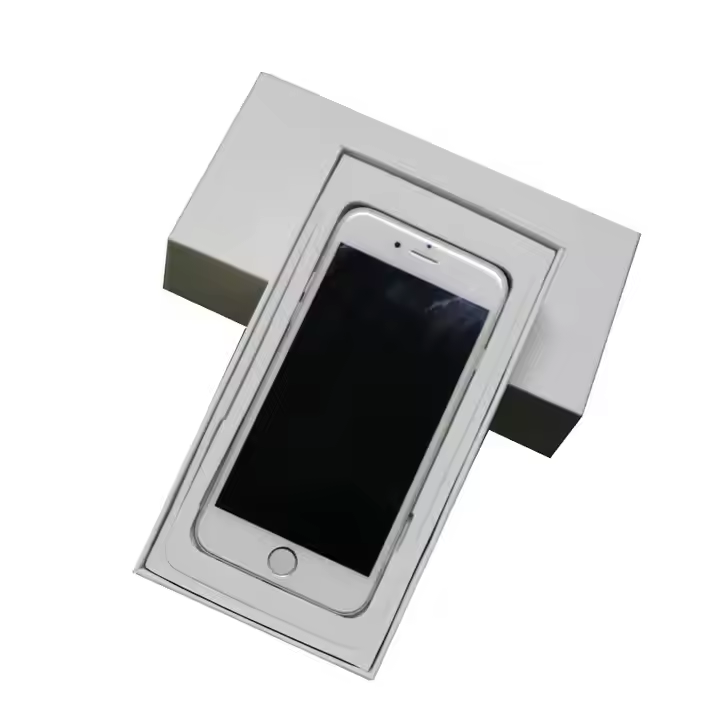
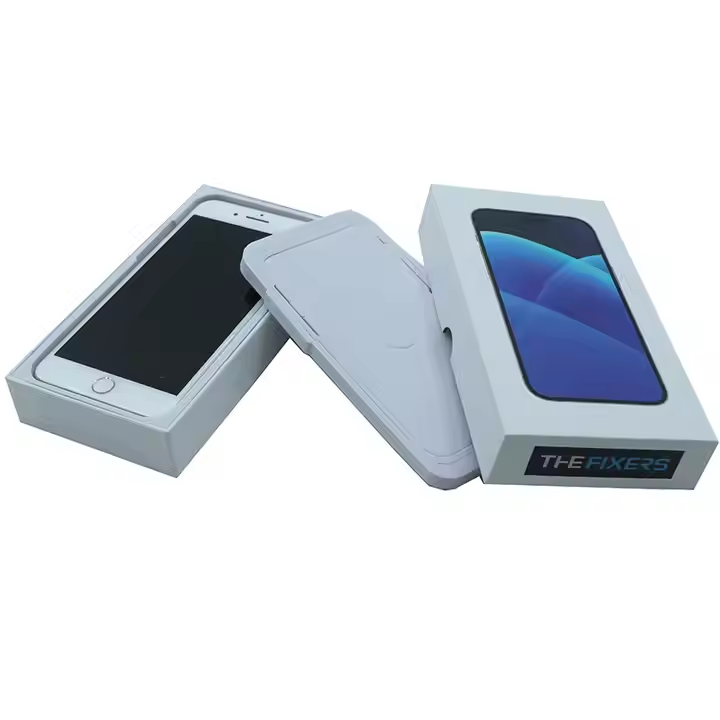
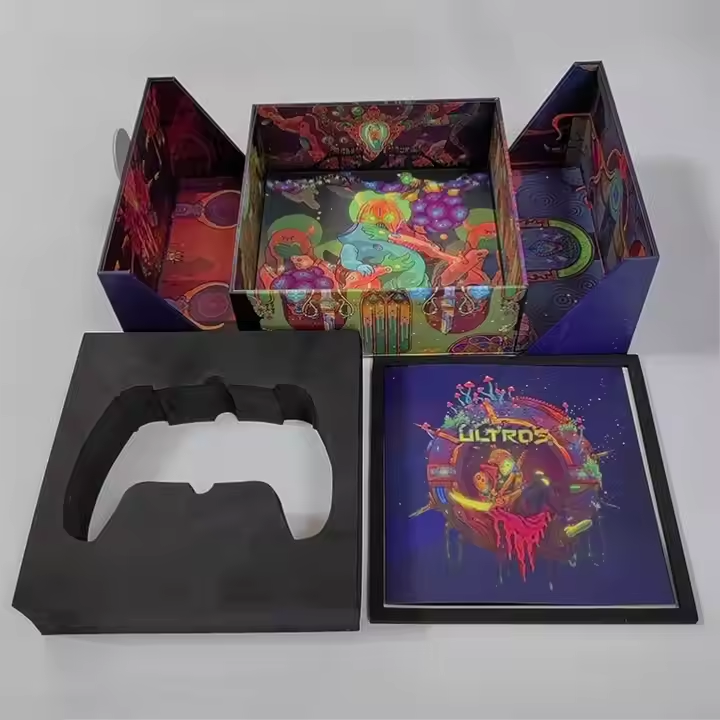
Electronics product packaging: Cushions smartphones, laptops, and circuit boards from shocks, static, and scratches using moldable foams like EVA or EPE, ensuring delicate components remain intact. It is usually used in conjunction with gift boxes as high-end packaging.

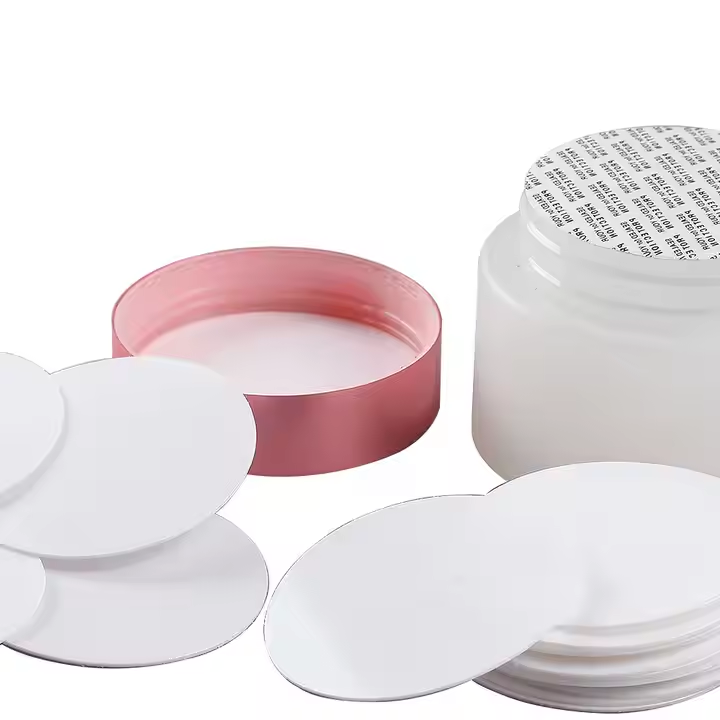
Medical: Safeguards sterilized surgical tools, diagnostic equipment, and pharmaceuticals with chemical-resistant PE or moisture-proof EPE foam, maintaining hygiene and integrity during transport.
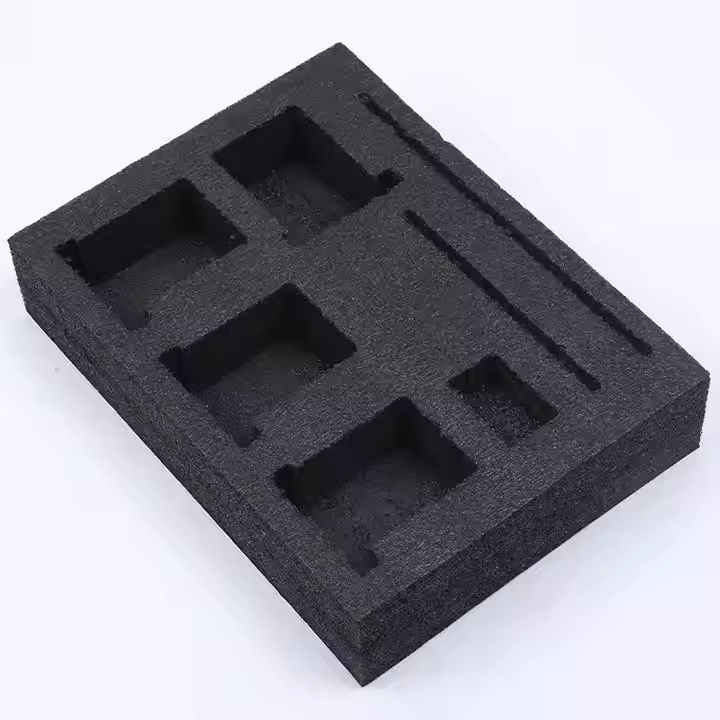
Automotive Parts packaging: Secures engines, batteries, and interior parts against vibrations and oils using durable XLPE or EPP foam, while lightweight PU foam prevents scratches on leather or plastic components.

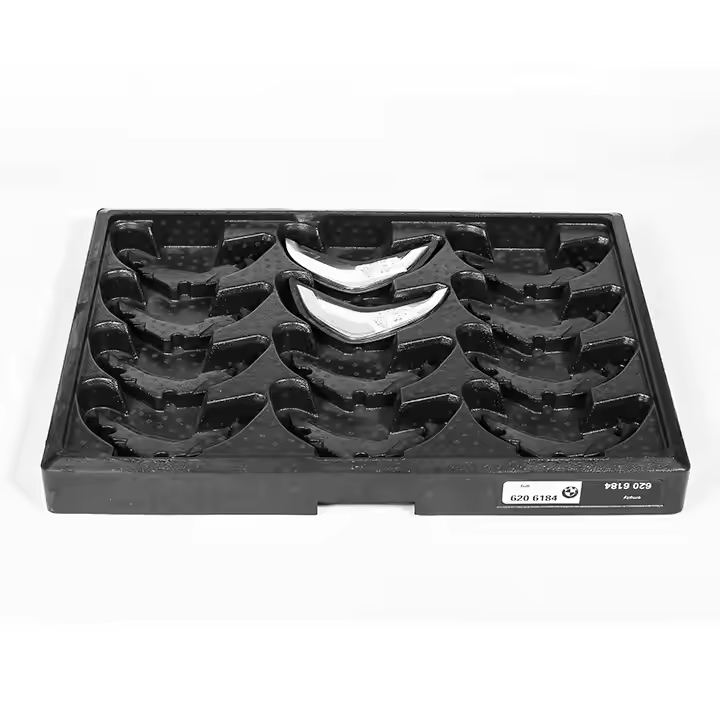
Furniture & Glassware: Prevents scratches and impacts on wooden surfaces, or decorative items using flexible EVA or dense PU foam inserts that absorb shocks during transit.
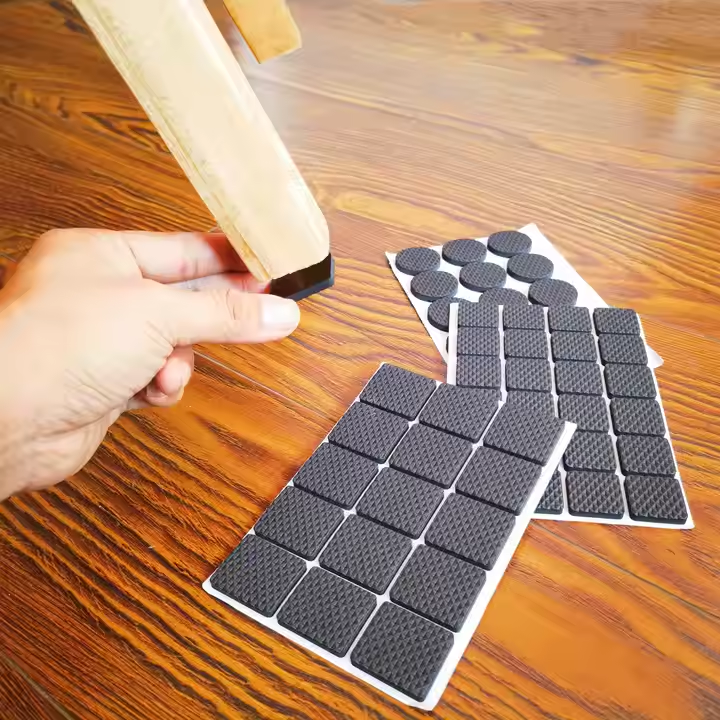

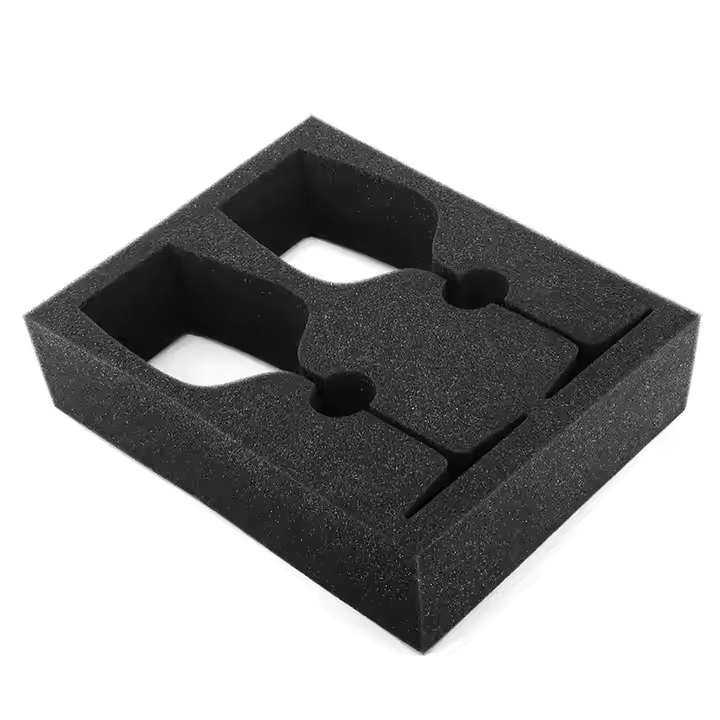
Aerospace Components:Insulates and stabilizes aircraft parts in extreme temperatures and vibrations with high-strength XLPE, critical for avionics and composite materials.
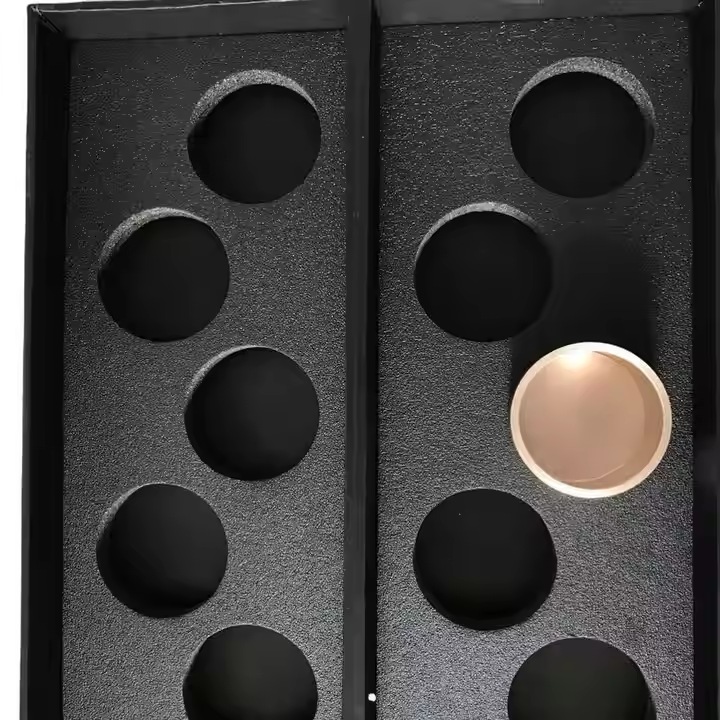
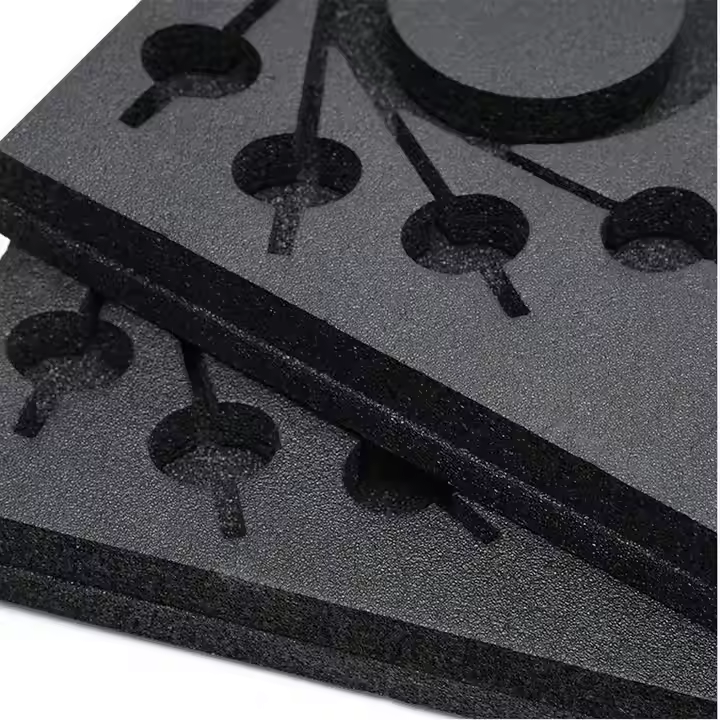
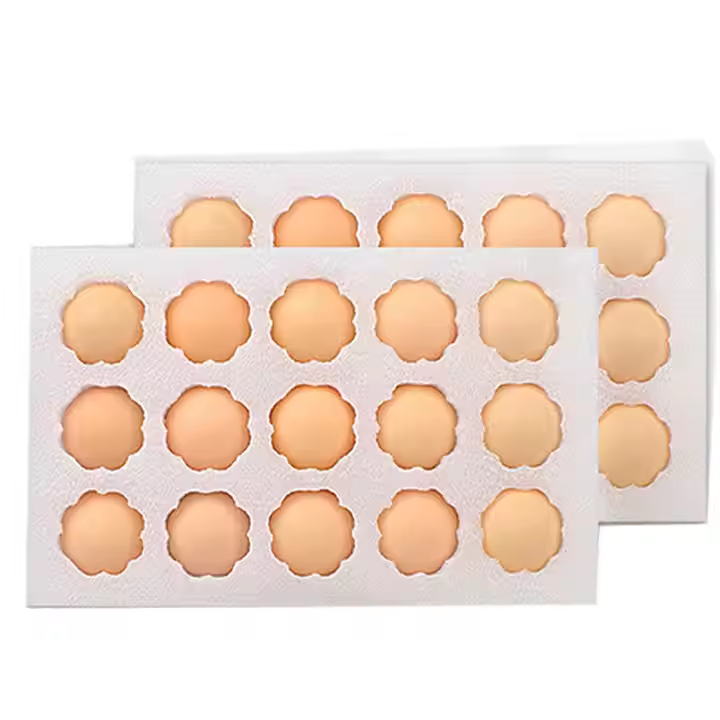
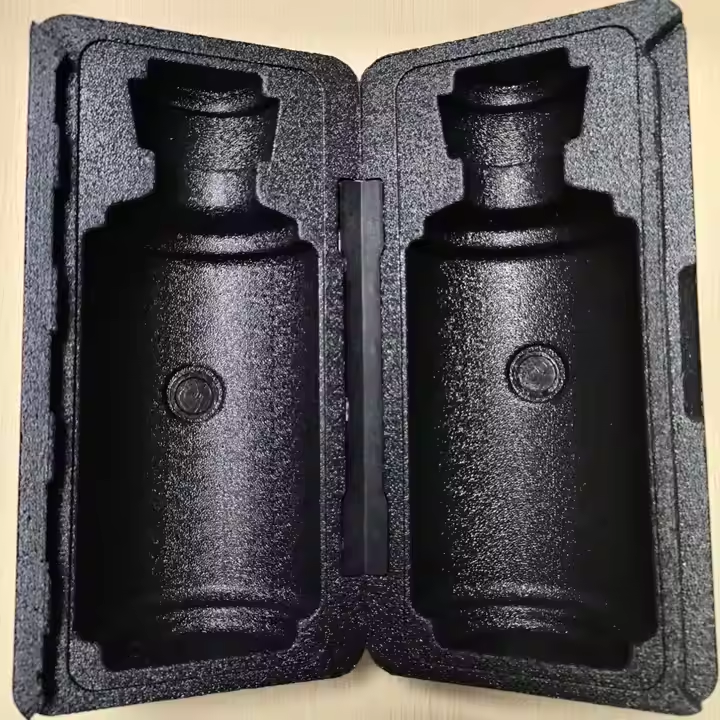
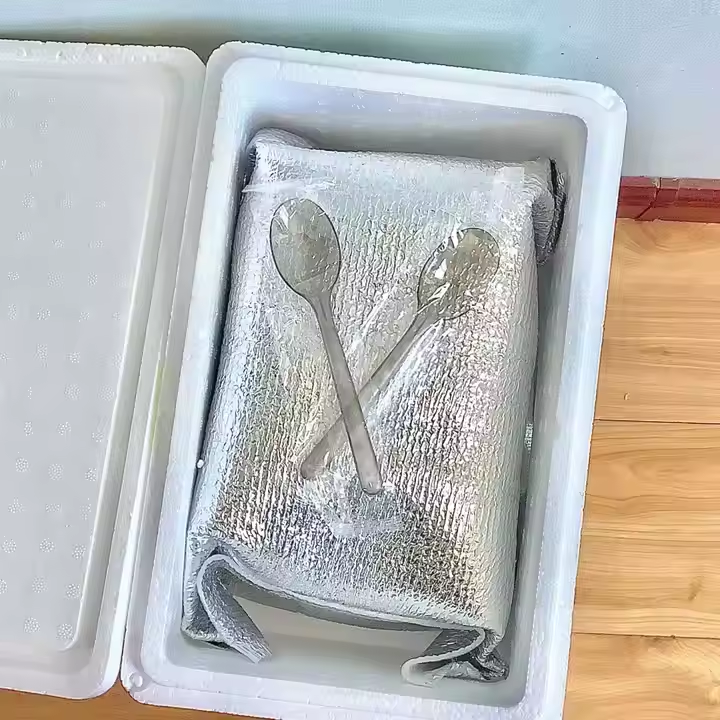
Food & Beverage packaging: Maintains temperature stability for perishables with EPS coolers and protects delicate items like wine bottles using shock-resistant EPP, balancing insulation and cushioning. EPE has a very good shock absorption effect and can protect some agricultural products well, such as eggs, etc.

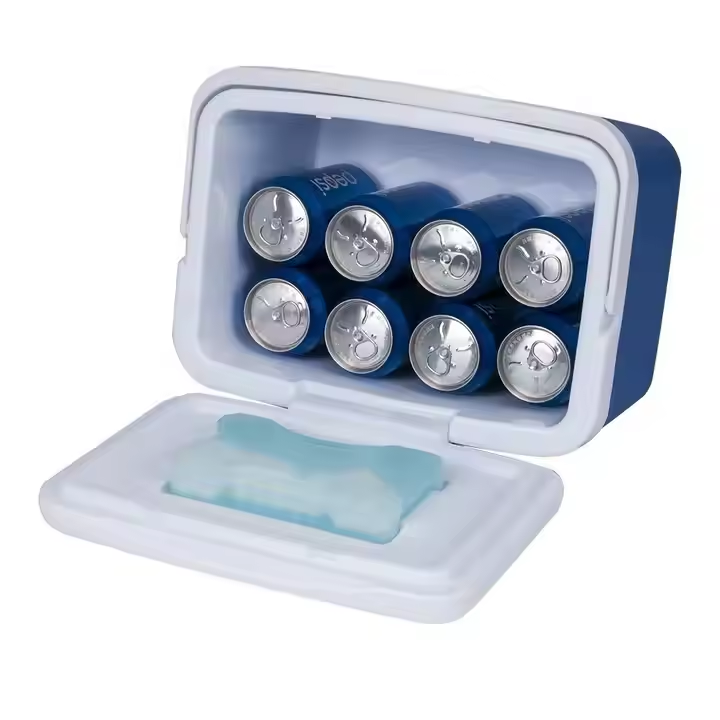
These applications highlight the adaptability of foam packaging, making it a critical component in industries where product integrity is paramount.
What is the Benefits of Packaging Foam?
packaging foam offers numerous advantages that make it a preferred choice for businesses looking to protect their products. Key benefits include:
Protection: Acts as a barrier to safeguard products from damage during transit, reducing the risk of breakage or deformation.
Shock Absorption: Cushions impacts and vibrations, ensuring fragile items like electronics or glassware remain intact.
Customization: Can be tailored to fit specific product shapes and sizes, providing a snug and secure fit that prevents movement.
Cost-Effectiveness: Minimizes product damage and returns, saving businesses money on replacements and maintaining brand reputation.
Durability: Many foams are resistant to water, chemicals, and environmental factors, ensuring long-lasting protection.
Sustainability Options: Eco-friendly foams, such as biodegradable Green Cell Foam or recyclable polypropylene, align with environmental goals.
These benefits make packaging foam a reliable and efficient solution for businesses aiming to deliver products in pristine condition while optimizing costs and sustainability.
How to Customize Your Packaging Foam?
Custom packaging foam allows businesses to create tailored solutions that meet the specific needs of their products. Customization ensures optimal protection by providing a perfect fit and addressing unique requirements, such as fragility, weight, or environmental conditions. Here’s how to customize your packaging foam:
Tailored Shapes and Sizes: Foam can be cut, shaped, or molded to match the exact dimensions of your product, ensuring a secure fit that prevents shifting during transit.
Material Selection: Choose from various foam types (e.g., EVA, polyurethane, polyethylene) based on your product’s protection needs, such as shock absorption or water resistance.
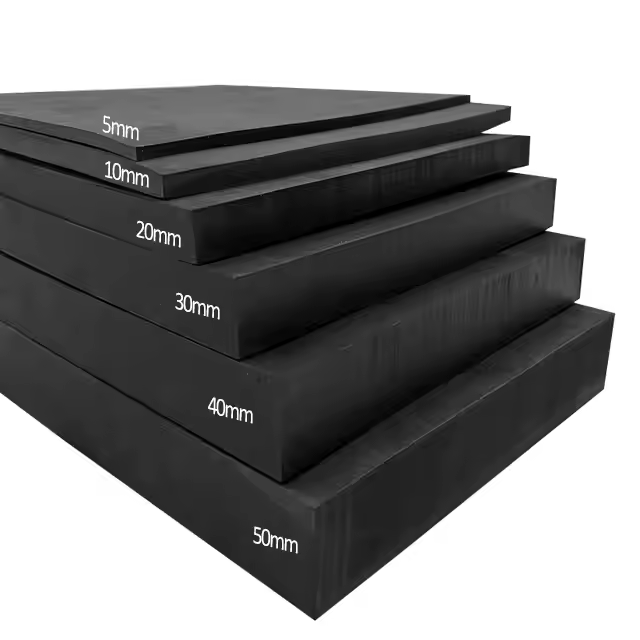
Density and Thickness: Adjust the foam’s density and thickness to provide the right level of cushioning or support, depending on the product’s weight and fragility.
Special Features: Incorporate anti-static properties for electronics, fire-retardant features for safety, or eco-friendly materials for sustainability.
To get started, contact a reputable packaging provider specializing in custom foam solutions. For eco-friendly options, Green Packaging can offers cost-effective and environmentally friendly packaging solutions. By working with experts, you can design packaging foam that meets your product’s specific requirements while prioritizing sustainability.