In today’s competitive food industry, packaging plays a pivotal role in attracting consumers, preserving product quality, and aligning with sustainability goals. But why are so many food brands and retailers turning to cellophane food packaging as their go-to solution? The answer lies in its unique combination of transparency, eco-friendliness, and functionality. With the global food packaging market projected to grow significantly over the next decade, consumer demand for environmentally responsible materials like cellophane bags for food packaging is on the rise. This shift has reignited interest in cellophane, a material that not only protects food but also enhances its visual appeal while reducing environmental impact. In this blog, we’ll explore the science behind cellophane packaging for food, its applications, advantages, and future trends to help you make informed decisions for your brand.

The Science Behind Cellophane: Material and Production
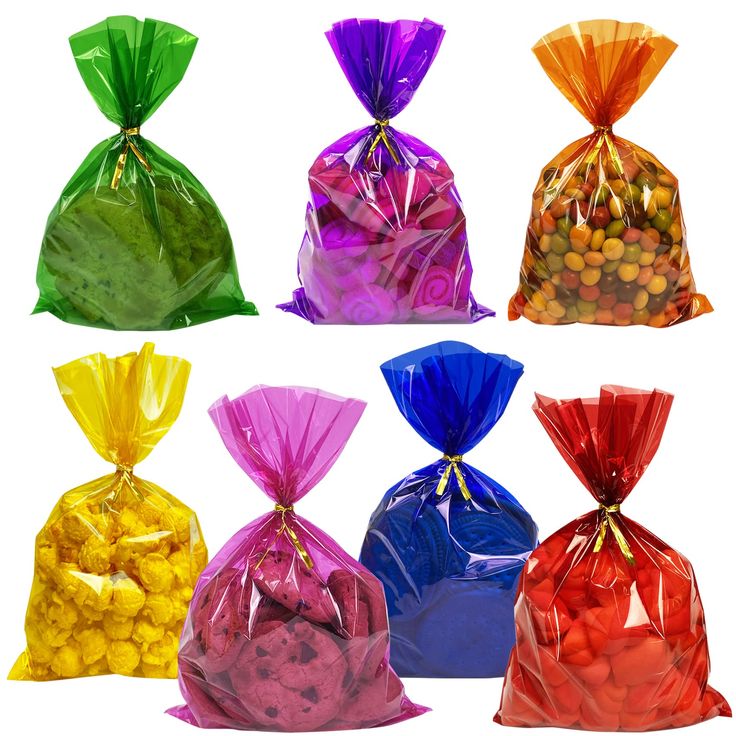
The primary raw material for cellophane for food wrapping is regenerated cellulose, typically derived from wood pulp or cotton linters. This natural origin makes it inherently sustainable and biodegradable, perfectly suited to meet the growing demand for eco-friendly packaging solutions.During production, cellulose undergoes chemical treatments such as alkalization and sulfonation to create a smooth, transparent film. The resulting packaging cellophane wrap is glossy, lightweight, and highly versatile, supporting various post-processing techniques like coatings and vibrant printing options. These properties allow cellophane to cater to diverse packaging needs, from protecting delicate baked goods to showcasing colorful candies.


Common Types of Cellophane Food Packaging
When it comes to cellophane food packaging, understanding the different types of bags available can help brands and retailers choose the best solution for their specific needs. Below, we explore two primary categories of cellophane bags—flat cellophane bags and gusseted cellophane bags—along with customization options and sealing methods that enhance their functionality.
1. Flat Cellophane Bags
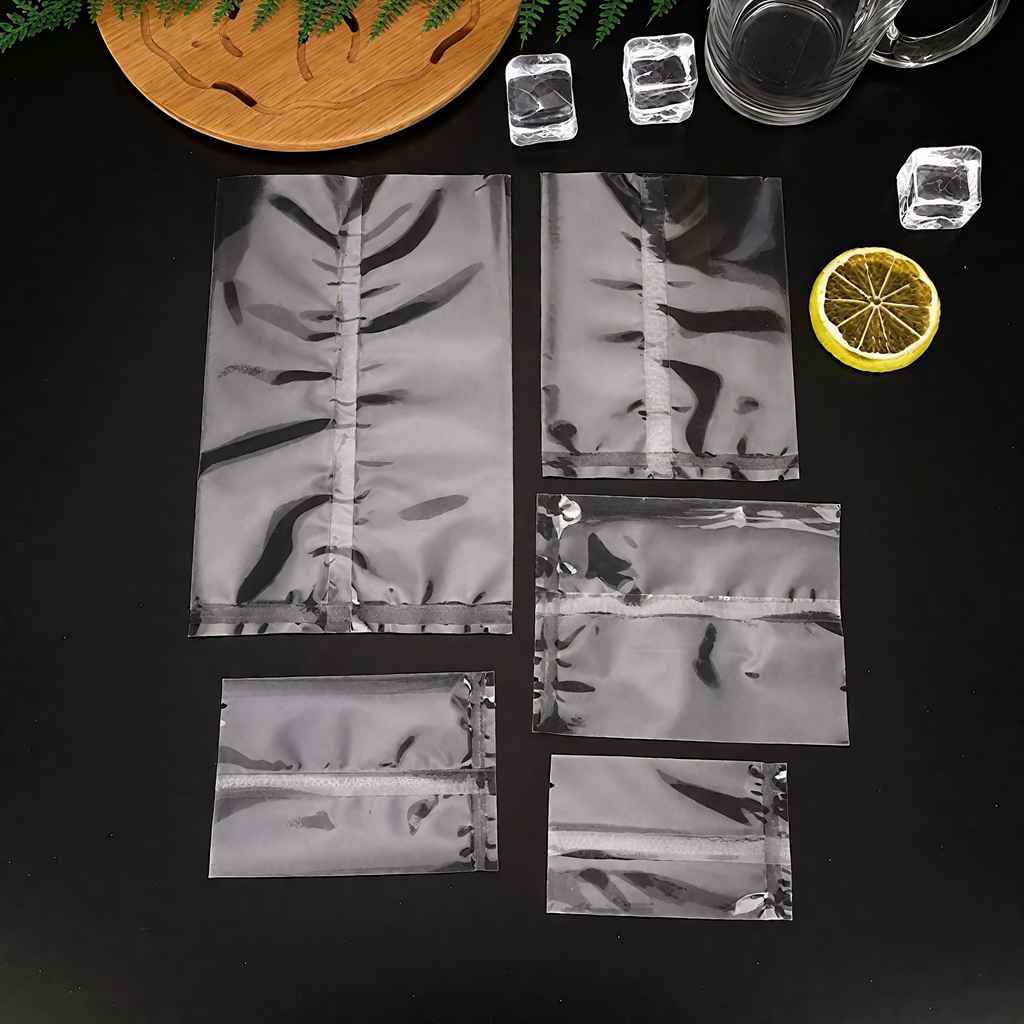
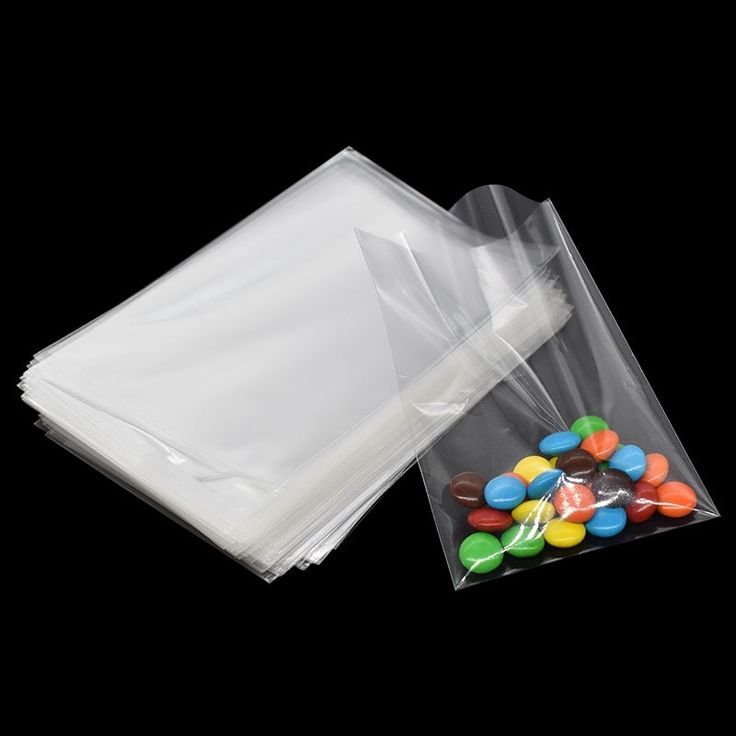
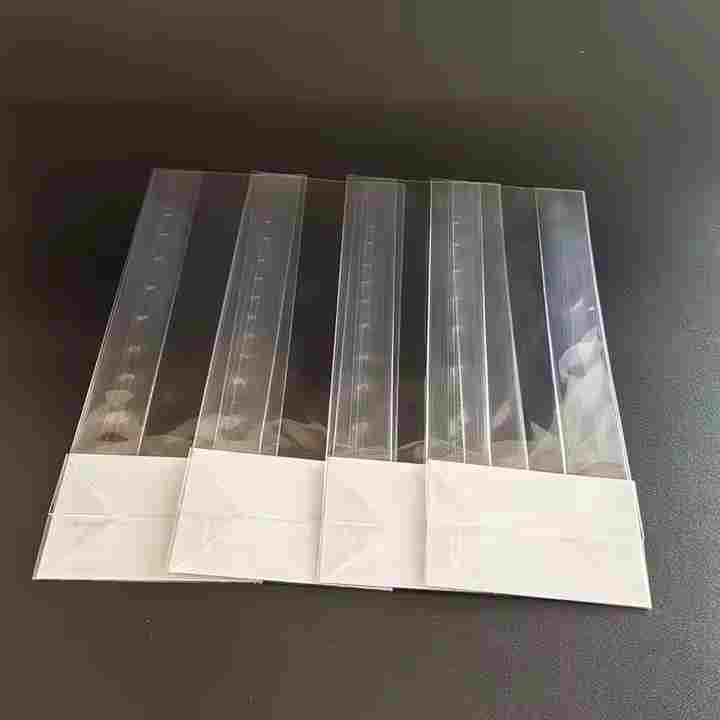
Flat cellophane bags are a popular choice for products with simple shapes or smaller dimensions. These bags are ideal for items like candies, cookies, tea sachets, or individual snack portions. One of the standout features of flat cellophane bags is their ability to be fully customized. Brands can tailor the size, shape, and printing design to align with their branding strategy. For example, custom printed tea packaging can feature vibrant logos, patterns, or even nutritional information to make the product stand out on shelves.

2. Gusseted Cellophane Bags
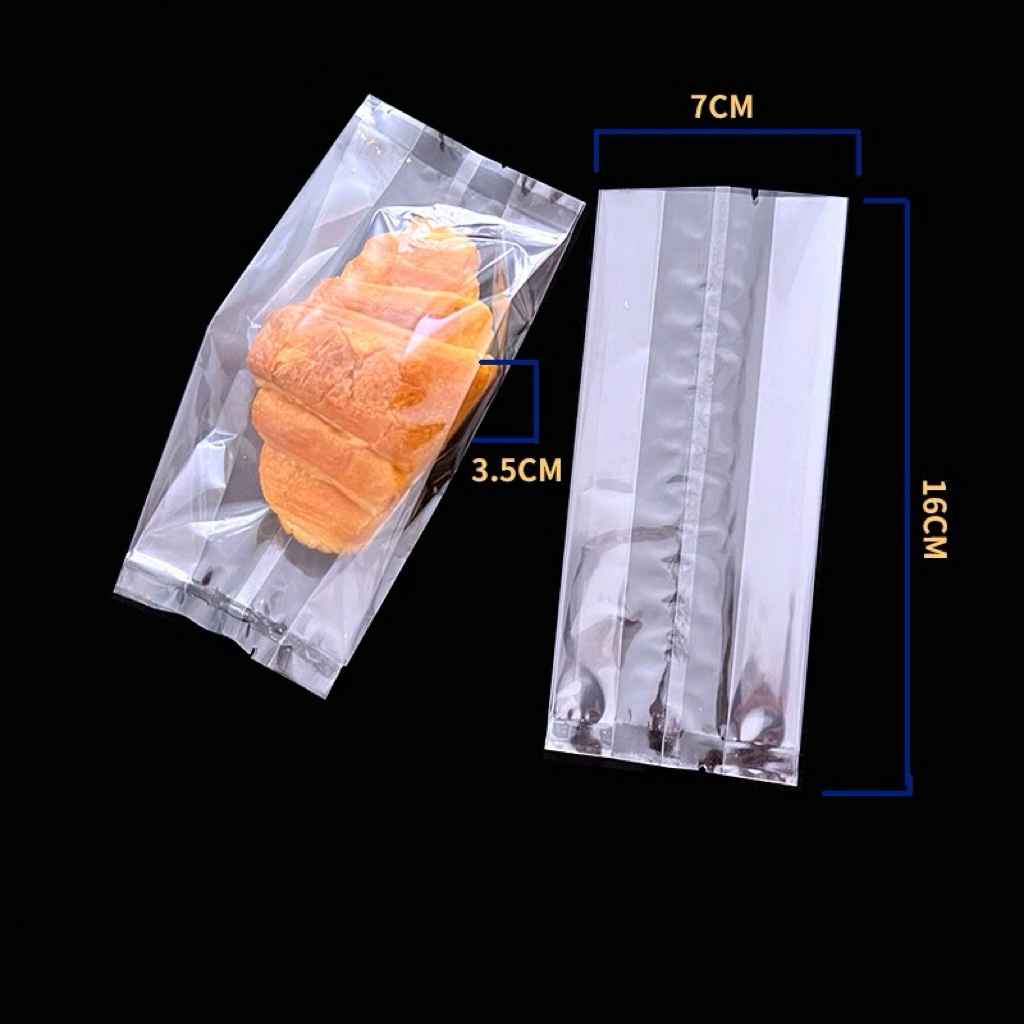
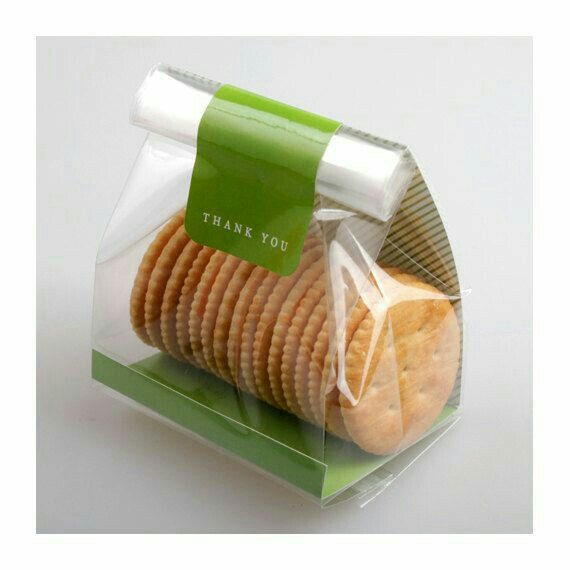
For bulkier or irregularly shaped products, gusseted cellophane bags are an excellent option. These bags feature expandable sides, known as gussets, which provide additional space for items like baked goods, fresh produce, or loose leaf tea packaging. The extra room ensures that the product fits snugly without being compressed, preserving its quality and appearance.
Gusseted bags are particularly useful for herbal tea selection gift boxes or tea variety packs, where multiple items need to be packaged together. They can also be heat-sealed for a secure closure, ensuring freshness during transit. This makes them a reliable choice for both retail tea packaging and e-commerce shipments.
To add stability, especially for heavier items like cookies packaging, a paper inlay can be inserted at the base of the bag. This not only provides structural support but also enhances the overall aesthetic appeal, making it perfect for retail displays or afternoon tea packaging.
Customization Options
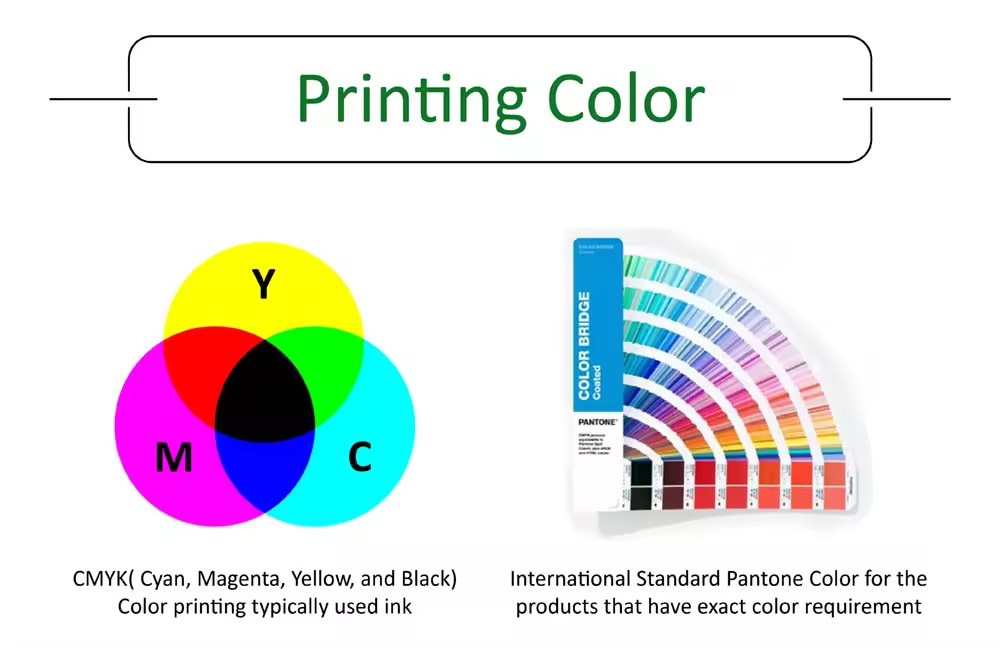
Both flat and gusseted cellophane bags offer extensive customization possibilities. Brands can choose from a variety of sizes to accommodate different product dimensions, ensuring a snug fit that minimizes movement during shipping. Printing options range from simple text labels to intricate designs, allowing businesses to create unique tea packaging that reflects their identity. For instance, eco-friendly tea packaging can incorporate natural tones and minimalist patterns to emphasize sustainability.

How to Seal Cellophane Bags?
Sealing cellophane bags is a crucial step in ensuring product freshness and presentation. Here are some creative and practical methods:
- Tying with Ribbon or String: This method adds a touch of elegance, making it perfect for gift box for tea or luxury packaging.
- Rolling and Labeling: Roll the top of the bag tightly and secure it with a sticker or label. This approach works well for bubble tea packaging or boba tea pack designs that prioritize simplicity.
- Clamping with Paper Cards: Use a paper card to clamp the bag shut and staple it in place. This technique is commonly used for tea sample pack or promotional items.
- Heat Sealing (for Gusseted Bags): Heat sealing creates a tamper-proof closure, ideal for sustainable tea packaging or products requiring extended shelf life.


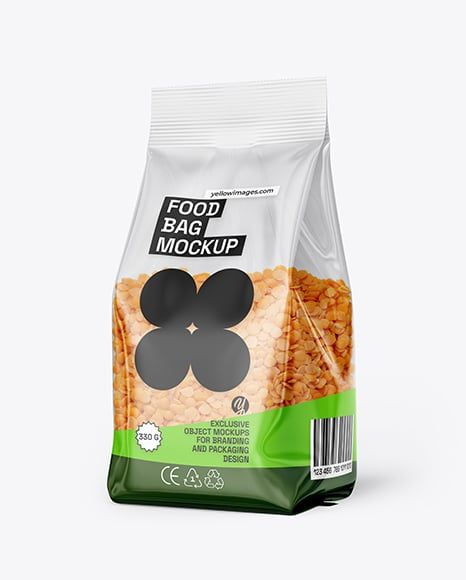
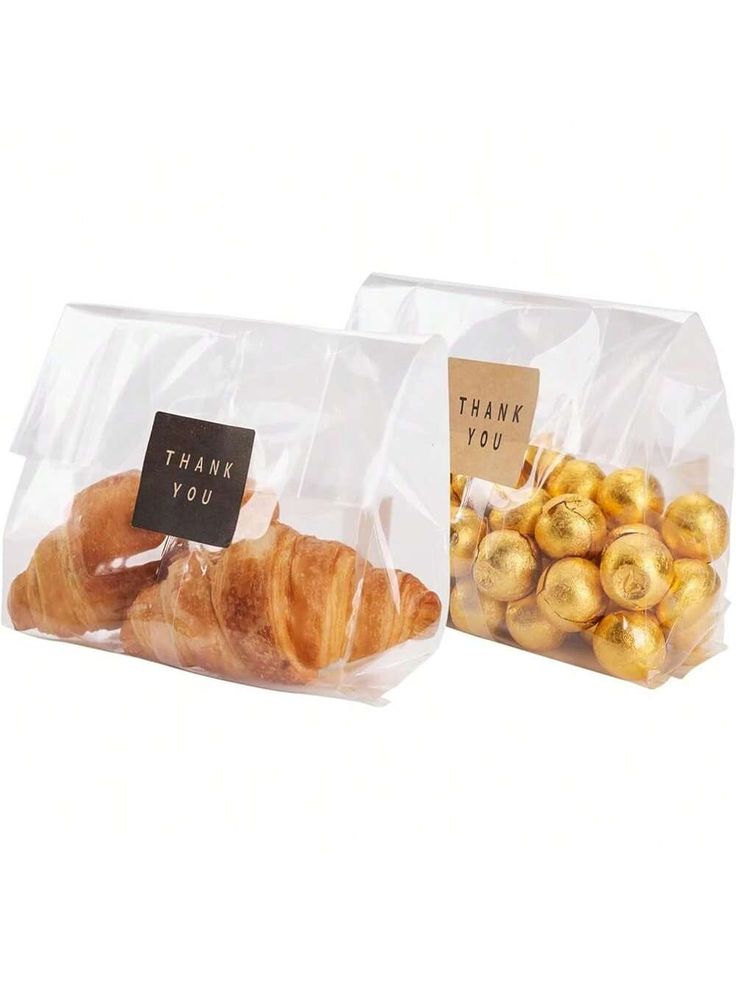
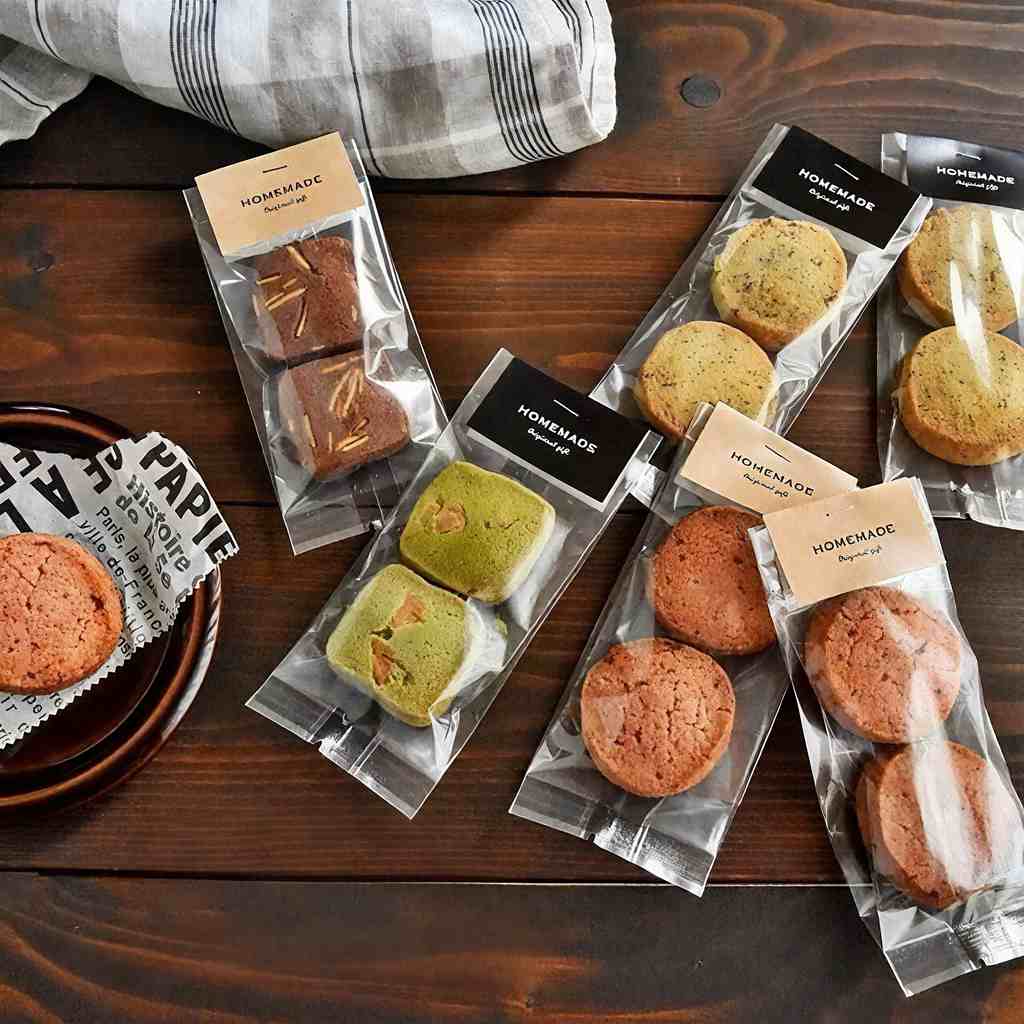
Each sealing method offers unique benefits, from enhancing visual appeal to ensuring product integrity. By selecting the right combination of bag type, customization, and sealing technique, brands can create cellophane bags for food packaging that meet both functional and aesthetic requirements.
By leveraging the versatility of clear cellophane gusseted bags and flat cellophane bags, businesses can cater to a wide range of applications, from tea bag packaging to herbal tea mixed pack solutions. These options not only protect the product but also elevate its presentation, helping brands stand out in a competitive market.
Features and Functionalities
1. High Transparency
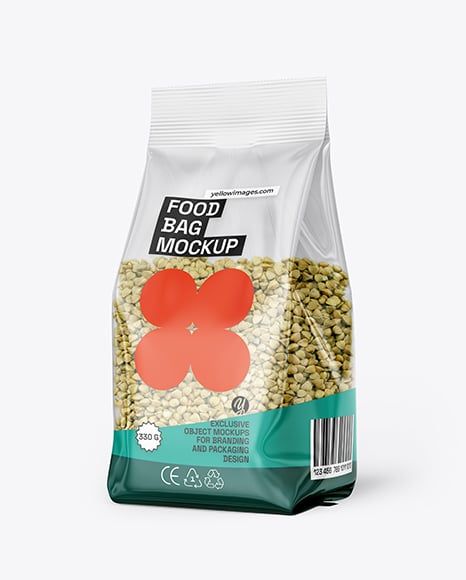
One of the standout features of clear cellophane gusseted bags is their exceptional clarity. This high transparency allows consumers to see the product inside, enhancing trust and encouraging impulse purchases. It’s particularly effective for visually appealing items like chocolates, cookies, and pastries.
2. Moderate Breathability
Unlike fully sealed plastics, cellophane food packaging offers controlled airflow, which is crucial for perishable goods like fresh produce. This feature helps maintain freshness without compromising shelf life.

3. Moisture Resistance (When Coated)
Coated variants provide excellent barrier properties against moisture and grease, extending the usability of cellophane packaging for food in humid environments. For example, coated cellophane excels at protecting baked goods from sogginess during transport.
4. Eco-Friendly Nature
As a biodegradable material, cellophane aligns perfectly with modern sustainability initiatives. Consumers increasingly prefer products wrapped in materials that decompose naturally, reducing landfill waste.


Applications Across Industries
1. Candy and Snack Packaging
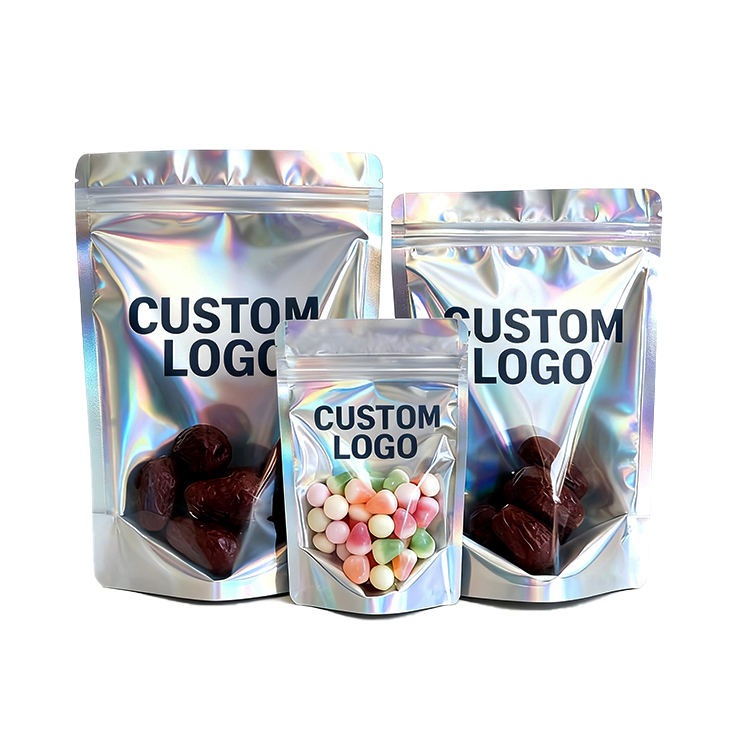
The glossy finish and transparency of cellophane bags for food packaging make them perfect for showcasing colorful candies and snacks. Lightweight and portable, they’re also suited for both retail shelves and e-commerce fulfillment.
2. Baked Goods
For bakeries, clear cellophane gusseted bags highlight the texture and craftsmanship of bread, cakes, and pastries. Their compact design optimizes storage space, while optional coatings ensure long-lasting freshness.
3. Fresh Produce
Cellophane’s breathability makes it ideal for packaging fruits and vegetables. Its ability to display freshness directly appeals to supermarket shoppers seeking high-quality produce.
4. Gift Packaging
High-gloss finishes and customizable prints elevate cellophane’s appeal for gifting purposes. Whether paired with ribbons or branded labels, cellophane for food wrapping adds a touch of elegance to any present.


Advantages and Disadvantages of Cellophane Food Packaging
| ADVANTAGE | DISADVANTAGE |
| – Visual Appeal: The shimmering transparency grabs attention on crowded shelves. – Sustainability: Fully biodegradable and recyclable, meeting growing consumer expectations for green packaging. – Cost Efficiency: More affordable than alternatives like plastic composites or aluminum foils. – Versatility: Easily shaped and sized to fit a wide range of products. | – Limited Protection: Standard cellophane lacks robust barriers against moisture and grease unless specially treated. – Durability Concerns: Thin films can tear easily, requiring careful handling during transit. – Printing Challenges: Smooth surfaces may require pre-treatment to ensure ink adhesion. |
Emerging Trends in Cellophane Food Packaging
1. Sustainability and Innovation: With rising concerns about single-use plastics, cellophane packaging for food is seeing renewed interest. Advances in coating technologies have improved its durability and resistance to external factors, broadening its application scope.
2. Minimalist Design: Today’s consumers appreciate simplicity. Brands are adopting minimalist designs with clean lines and muted tones to project purity and authenticity—a trend well-suited to cellophane’s natural aesthetic.
3. Customization Options: Small-batch customization services now enable regional or seasonal branding opportunities. From unique prints to tailored dimensions, cellophane food packaging adapts effortlessly to specific marketing strategies.
4. Smart Integration: Smart packaging innovations, such as QR codes and barcode within cellophane wraps, allow brands to share detailed product information, track supply chains, and engage customers interactively.
How to Choose the Right Cellophane Packaging?
Selecting the best cellophane food packaging depends on several factors:
- Food Type: Dry snacks benefit from uncoated cellophane, while moist items need coated variants.
- Sales Channel: Retail environments prioritize eye-catching designs, whereas e-commerce focuses on durability and shock absorption.
- Budget: Cost-sensitive brands can opt for standard cellophane, while premium brands may invest in custom-printed or coated versions.
By carefully considering these aspects, you can leverage cellophane food packaging to enhance your brand’s image, protect your products, and meet evolving consumer preferences.

Cellophane food packaging represents more than just a protective layer—it’s a strategic tool for differentiation, preservation, and sustainability. As the food industry continues to evolve, embracing innovative solutions like cellophane bags for food packaging will not only meet regulatory standards but also resonate with environmentally conscious consumers. Whether you’re looking to showcase vibrant candies, preserve fresh produce, or create memorable gift experiences, cellophane offers unparalleled versatility and charm. Partner with experienced supplier-Agreen Packaging today to unlock the full potential of cellophane packaging for food and stay ahead of the curve in tomorrow’s marketplace!