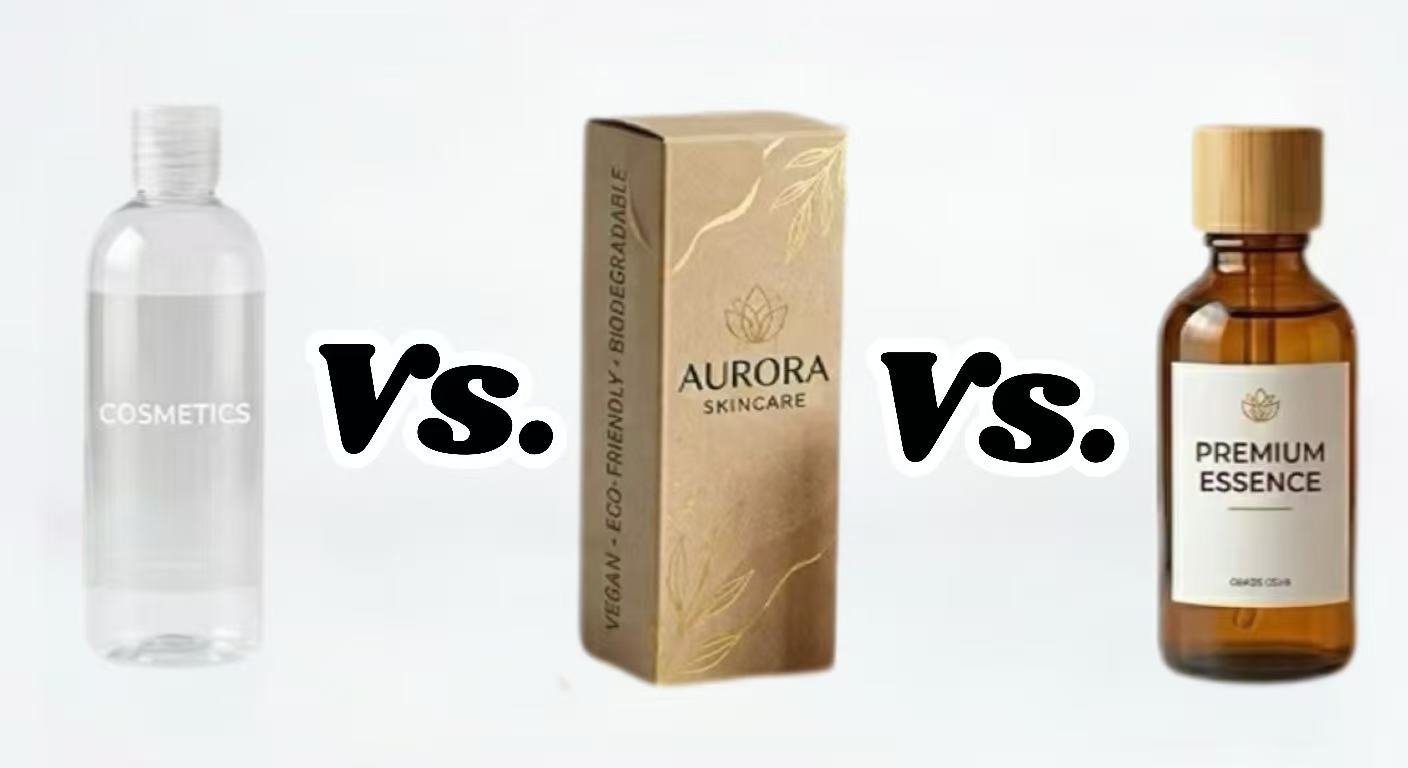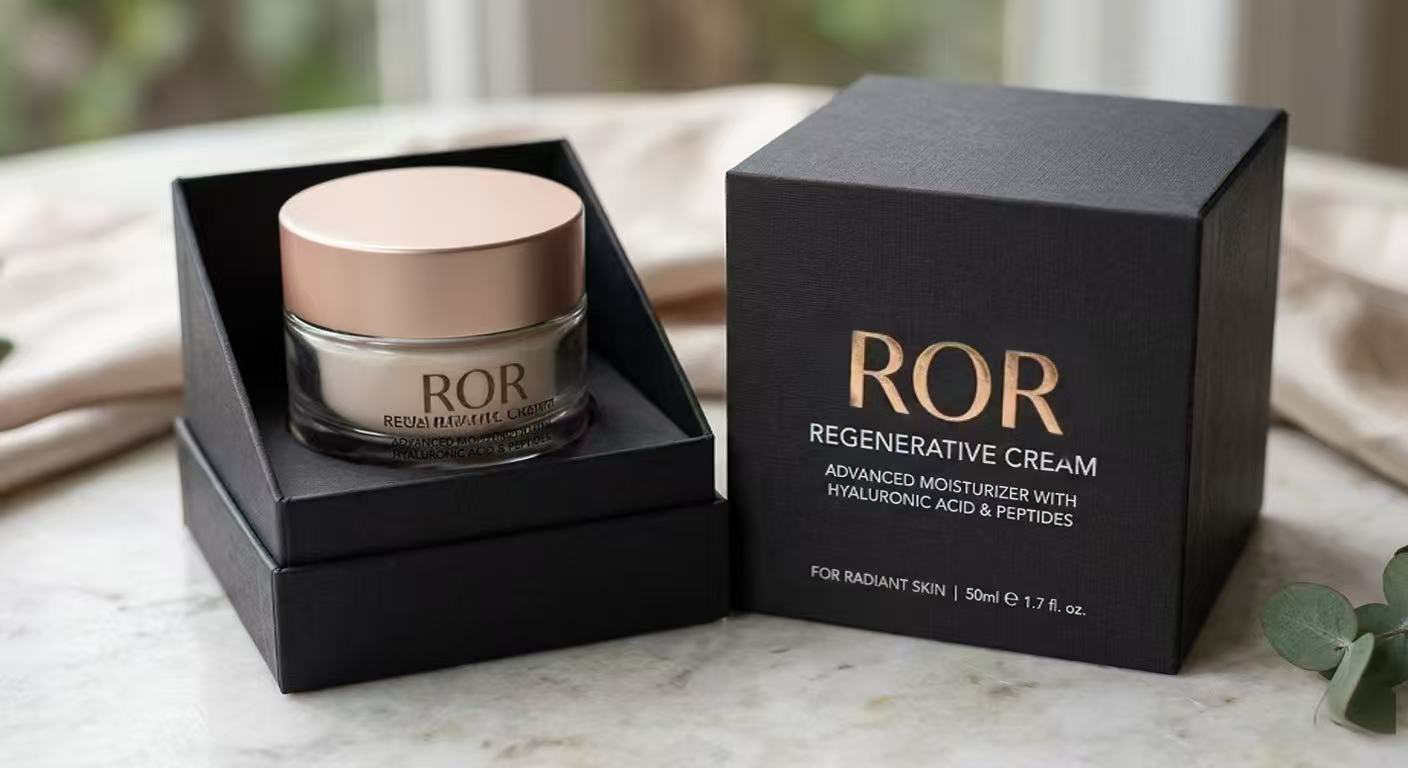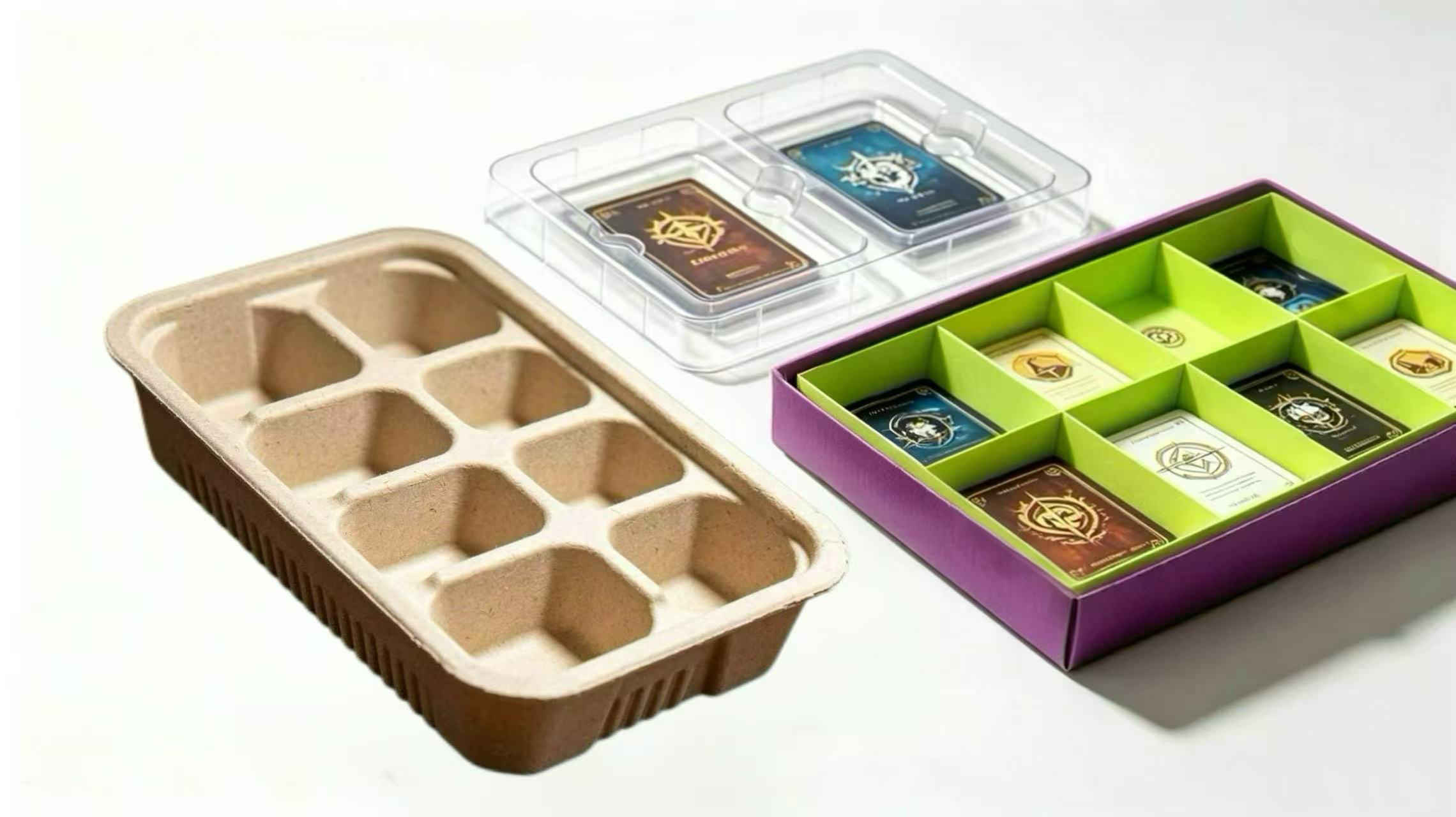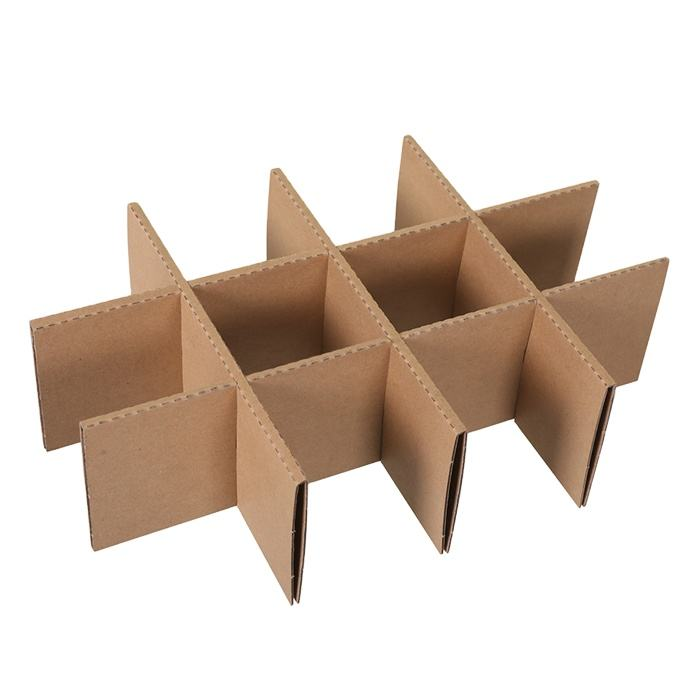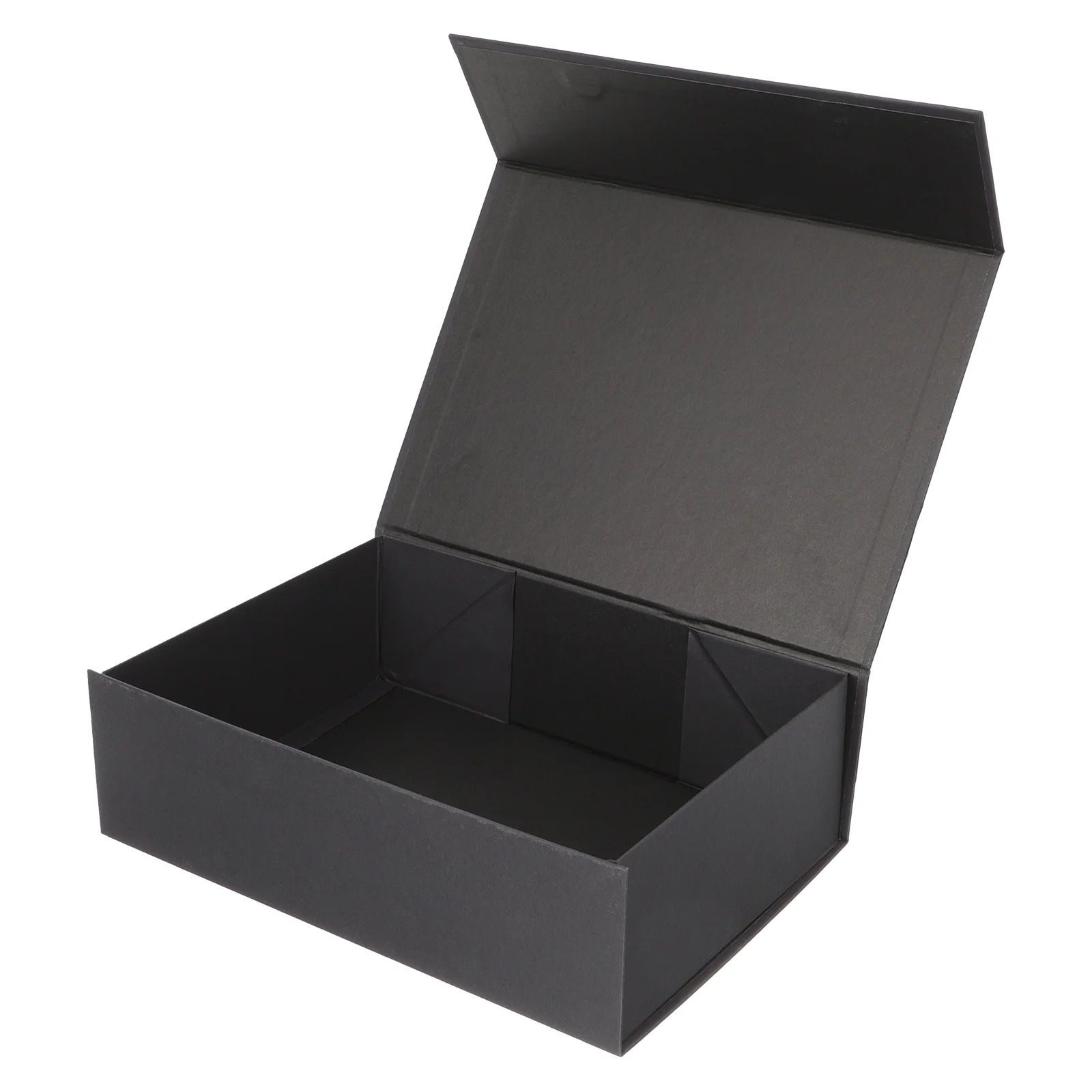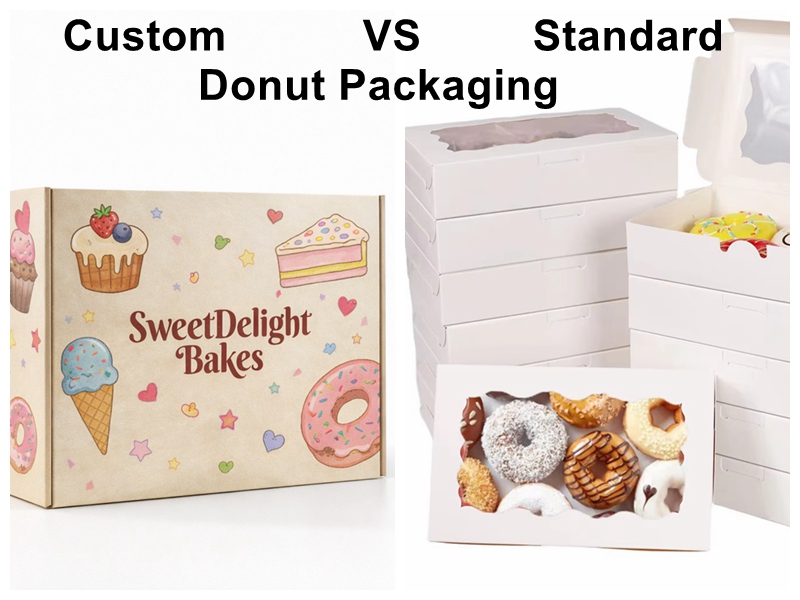
For decades, the Cosmetic Packaging industry has relied on two dominant materials: plastic and glass. Plastic offered lightweight durability and low cost. Glass provided a premium feel and chemical stability. Both seemed indispensable. But the world has changed. Consumers are demanding sustainability. Regulators are restricting single-use materials. And brands are discovering a third option that combines the best of both worlds while eliminating their worst drawbacks: paperboard boxes. This article compares plastic, glass, and paperboard across five critical criteria—environmental impact, cost, protection, brand perception, and regulatory readiness. By the end, you will understand why paper boxes are emerging as the future of Cosmetic Packaging.

The Case Against Plastic in Cosmetic Packaging
Plastic has dominated Cosmetic Packaging because it is cheap and moldable into any shape. But those advantages come with hidden costs that are no longer acceptable.
First, plastic is an environmental disaster. Most cosmetic jars and bottles are made from virgin PET, PP, or PE. These materials take hundreds of years to degrade. Less than 10% of plastic Cosmetic Packaging is recycled globally. The rest ends up in landfills, incinerators, or oceans. Microplastics from degraded containers have been found in human blood and breast milk—a fact that increasingly alarms consumers.
Second, plastic feels cheap. In the premium skincare segment, a plastic jar signals “budget brand” regardless of the formula inside. Consumers associate weight with quality. A lightweight plastic container undermines the perceived value of a $80 face cream.
Third, regulatory pressure is mounting. The EU’s PPWR and similar laws in California and Canada are targeting single-use plastics. By 2026, Cosmetic Packaging containing problematic plastics may face taxes, bans, or mandatory recycled content requirements that are difficult and expensive to meet.
Yes, plastic has its place for pumps, dispensers, and travel sizes. But for outer boxes and primary containers? The industry is moving away.

The Challenges of Glass in Cosmetic Packaging
Glass has long been the gold standard for luxury Cosmetic Packaging. It feels heavy, looks clear, and does not react with formulas. However, glass carries three major disadvantages that make it less future-proof than paperboard.
- Weight is the first problem. A glass jar weighs four to five times more than an equivalent paperboard box. That extra weight increases shipping costs, warehouse energy use, and transportation emissions. For a brand shipping thousands of units, the cumulative freight expense can erase any perceived luxury benefit.
- Fragility is the second. Glass breaks. When a glass jar cracks during transit, the entire Cosmetic Packaging—and the product inside—is ruined. Returns, refunds, and negative reviews follow. Paperboard boxes, by contrast, absorb impacts and protect the primary container without shattering.
- Energy intensity is the third. Manufacturing glass requires melting raw materials at over 1,500°C, consuming massive amounts of fossil fuels. Even recycled glass (cullet) requires high temperatures. The carbon footprint of glass Cosmetic Packaging is significantly higher than paperboard, which uses wood fiber—a renewable resource.
Glass remains appropriate for very high-end serums or products where chemical interaction with plastic is a concern. But for the vast majority of creams, lotions, and balms, glass is overkill.

Why Paperboard Is the Future of Cosmetic Packaging
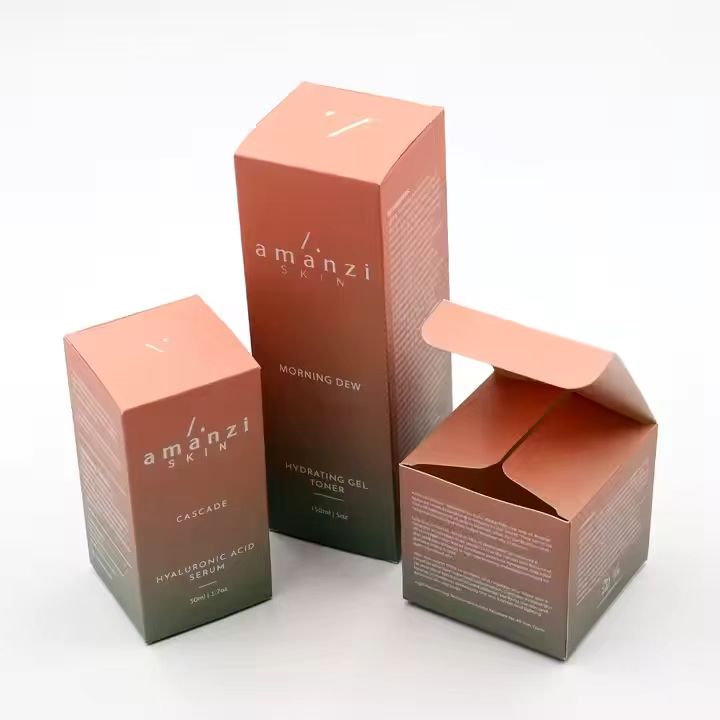
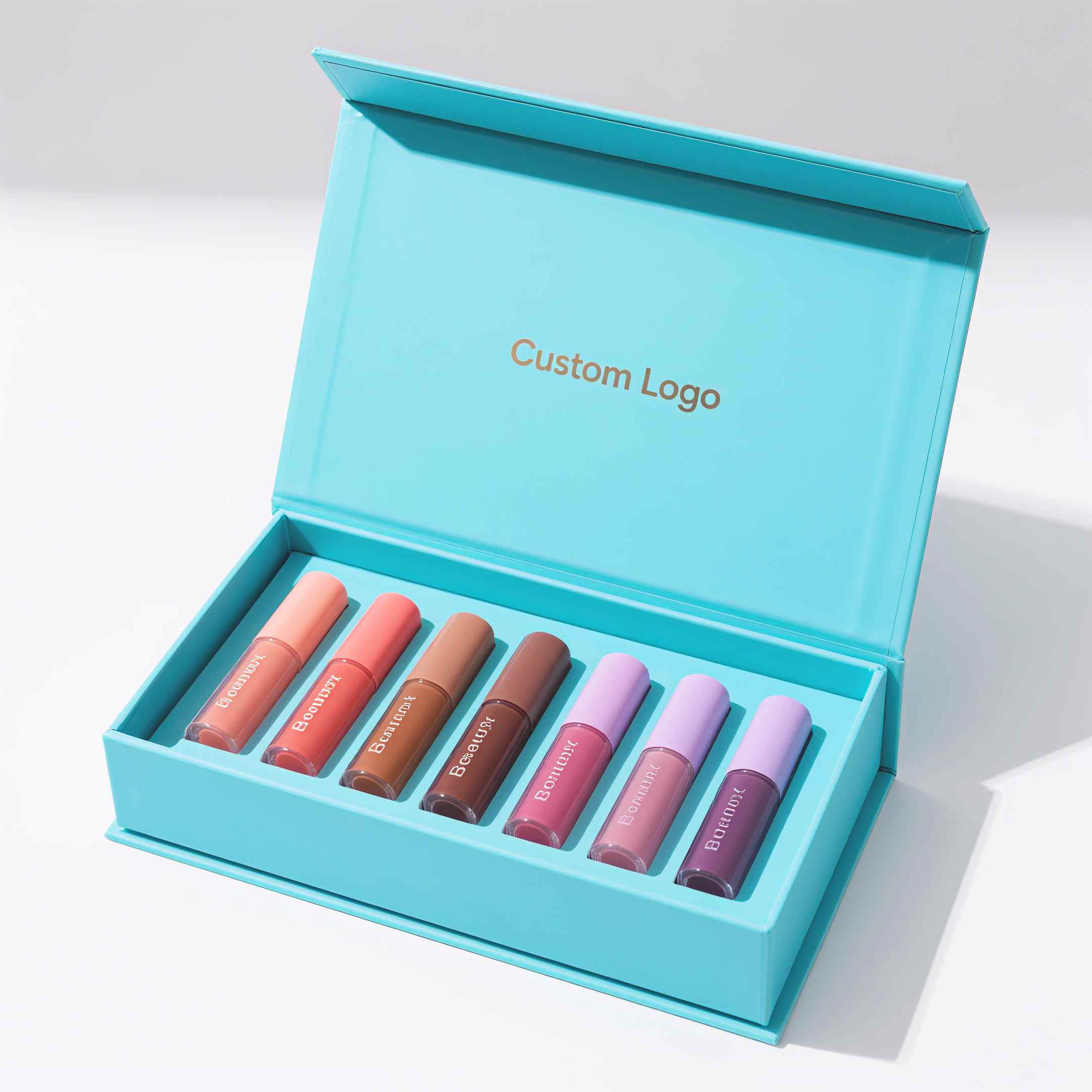
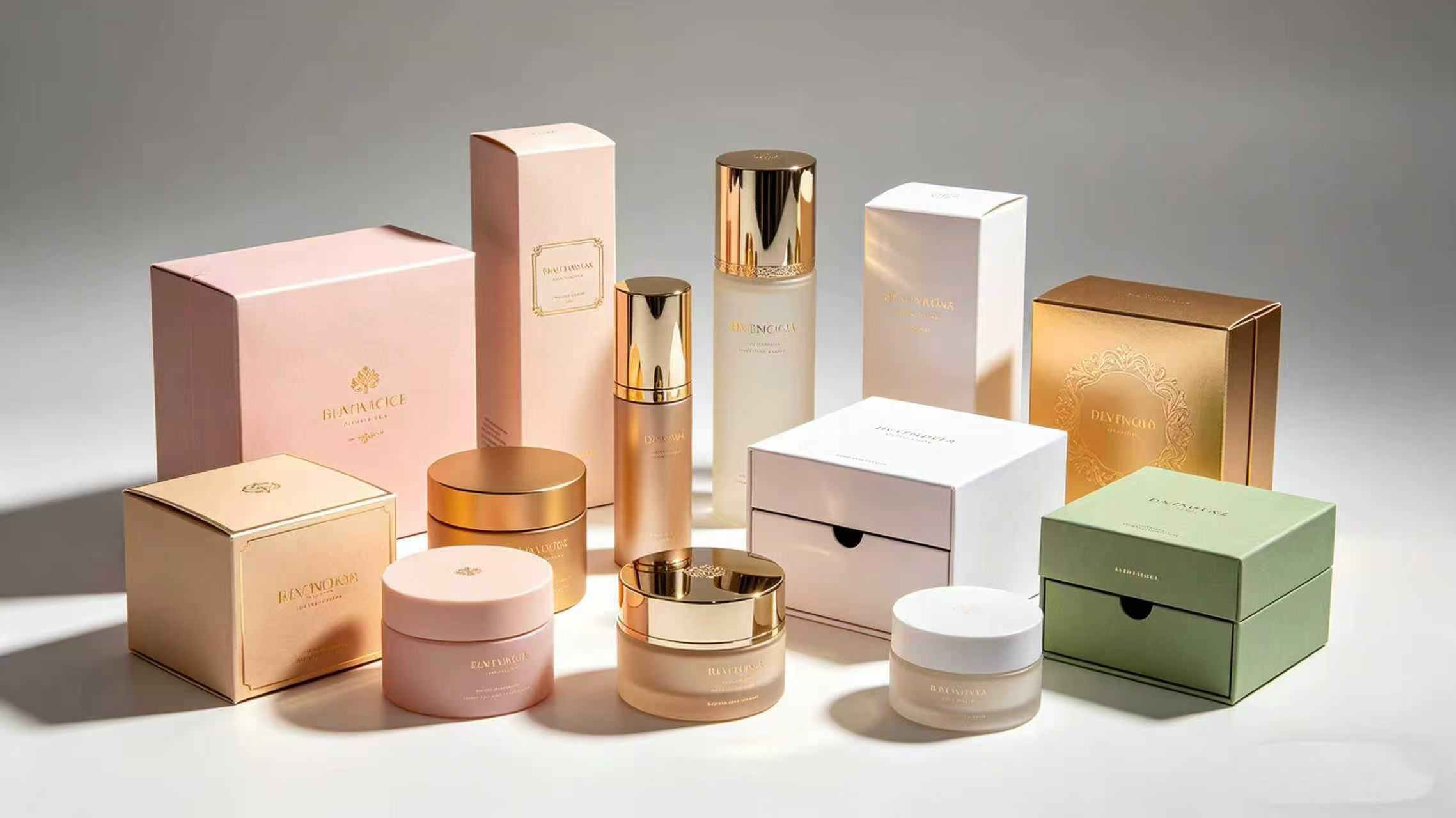
Now let’s examine the material that is quietly transforming Cosmetic Packaging: paperboard. Paperboard boxes—whether folding cartons, rigid boxes, or sleeve-and-tray structures—offer a combination of benefits that neither plastic nor glass can match.
1. Renewable and Biodegradable
Paperboard comes from trees, a renewable resource when sourced from certified sustainable forests (FSC or PEFC). At the end of its life, a paperboard box can be recycled in standard municipal systems or composted in industrial facilities. Unlike plastic, it does not persist in the environment for centuries. Unlike glass, it does not require high-energy melting to recycle. This makes paperboard the most circular material for Cosmetic Packaging.
2. Lightweight and Cost-Effective
A paperboard folding carton for a 50ml jar weighs about 5-10 grams. A glass jar of the same capacity weighs 120–150 grams. That weight difference translates directly into lower shipping costs, lower fuel consumption, and lower carbon emissions. For e-commerce brands, lighter Cosmetic Packaging also reduces dimensional weight charges from carriers like UPS, FedEx, and DHL.
3. Excellent Printability and Branding
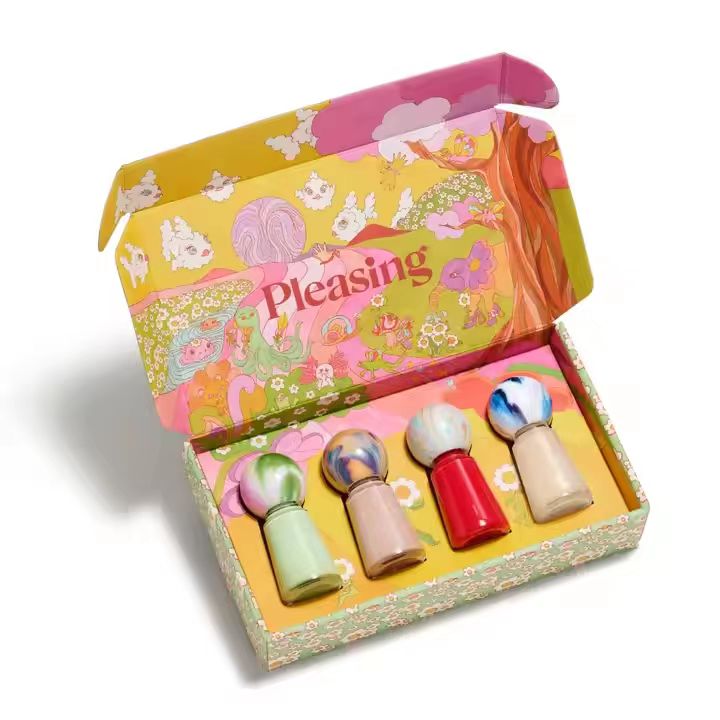
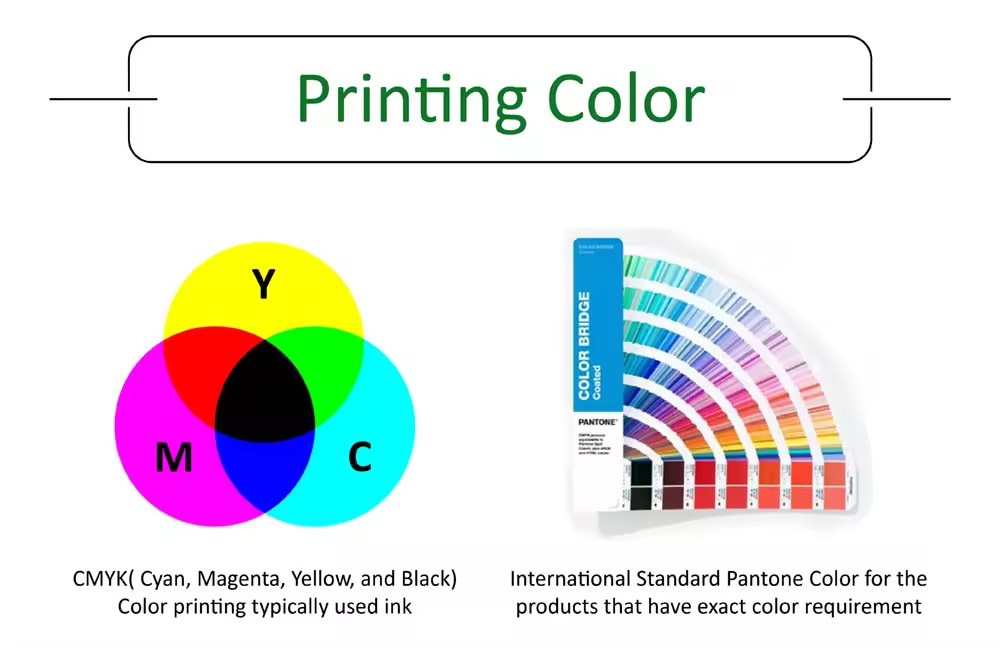
Paperboard accepts printing beautifully. High-resolution graphics, spot colors, foil stamping, embossing, and soft-touch coatings all work seamlessly on paperboard surfaces. A well-designed paper box can communicate luxury, playfulness, minimalism, or any brand personality—often at a fraction of the cost of decorated glass or molded plastic.
Furthermore, paperboard allows for interior printing. When a customer opens the lid, they see a colorful pattern or a thank-you message on the inside flaps. That moment of surprise generates social media shares and repeat purchases. Plastic and glass cannot offer that kind of unboxing experience without expensive secondary packaging.

4. Regulatory Ready
The PPWR requires that by 2026 all Cosmetic Packaging sold in the EU must be recyclable at scale. Paperboard easily meets this requirement. Plastic and glass, while technically recyclable, often fail because local facilities lack the capacity or because labels, pumps, and mixed materials contaminate the stream. Paperboard avoids these complications.
5. Consumer Preference
Multiple surveys show that over 70% of beauty consumers prefer sustainable Cosmetic Packaging. Among Gen Z and Millennials, that number rises above 80%. When given a choice between identical products in plastic, glass, or paperboard, most choose paperboard because it visibly signals environmental responsibility. Your packaging communicates your values before your product does.
Addressing Common Concerns About Paperboard
Skeptics raise valid questions. Is paperboard strong enough for heavy jars? Yes—when properly constructed with rigid chipboard or double-wall corrugated, paperboard boxes can support significant stacking weight.
Does paperboard protect against moisture? Standard paperboard absorbs humidity, but coatings (water-based or biodegradable barriers) can provide adequate moisture resistance for most cosmetic formulas. For extremely wet products (like sheet masks or liquid soaps), a sealed inner pouch or liner solves the problem.
Is paperboard more expensive than plastic? For simple cartons, paperboard is often cost-competitive. For complex rigid boxes, it is more expensive than thin plastic but comparable to quality glass. The total cost of ownership—including shipping, returns, and brand equity—often favors paperboard.

The Shift Has Already Begun
Leading brands are already transitioning their Cosmetic Packaging toward paperboard. L’Occitane, The Body Shop, and numerous indie skincare lines have launched paper-based outer boxes. The trend is accelerating, driven by regulation, consumer demand, and genuine environmental benefit.
As a packaging manufacturer, we have seen this shift firsthand. Five years ago, plastic dominated our orders. Today, paperboard accounts for over 60% of our Cosmetic Packaging projects. And that share is growing every quarter.
If you are a beauty brand still using plastic jars or heavy glass containers, consider this your invitation to explore paperboard. You do not need to change your formula. You do not need to sacrifice aesthetics. You simply need a better box
Ready to upgrade your cosmetic packaging to sustainable paperboard?
We design and manufacture custom paper boxes for jars of all sizes—from 15ml serums to 500ml body butters. Request a quote or a free sample pack today.