Cosmetic boxes are more than just packaging—they are a crucial element of branding, protection, and customer experience. In this guide, we’ll explore the various aspects of cosmetic boxes, including their types, materials, production processes, customization options, applications, and how to choose or design the ideal box for your needs . We’ll also discuss current trends and future prospects in cosmetic packaging.
Types of Cosmetic Boxes
Cosmetic boxes come in a variety of styles, each tailored to specific product types and branding goals:
1. Flip-Top Magnetic Boxes: These boxes feature a magnetic closure that ensures secure yet easy access. They are perfect for premium products like high-end makeup palettes or skincare sets .
2. Drawer-Style Boxes: Featuring a sliding mechanism, these boxes offer an elegant unboxing experience. They often include foam or velvet inserts to hold products securely, making them ideal for delicate items like perfumes or jewelry-inspired cosmetics .
3. Lid with Base (Two-Piece) Boxes: This classic design consists of a top lid and a bottom base that fit snugly together. It is widely used for luxury cosmetics, such as foundation bottles or lipstick collections, due to its sturdy construction and sophisticated appearance .


4. Foldable Display Boxes: Designed for retail environments, these boxes can be flat-packed for shipping and assembled at the point of sale. They are cost-effective and eco-friendly, making them a popular choice for brands focusing on sustainability .
5. Window Box : A window box is a type of packaging that features a transparent window, typically made of plastic or cellophane, which allows consumers to view the product inside. This design is particularly effective for cosmetics, as it enables customers to see the product’s appearance, such as the color of a lipstick or the texture of a compact powder, enhancing their confidence in making a purchase.
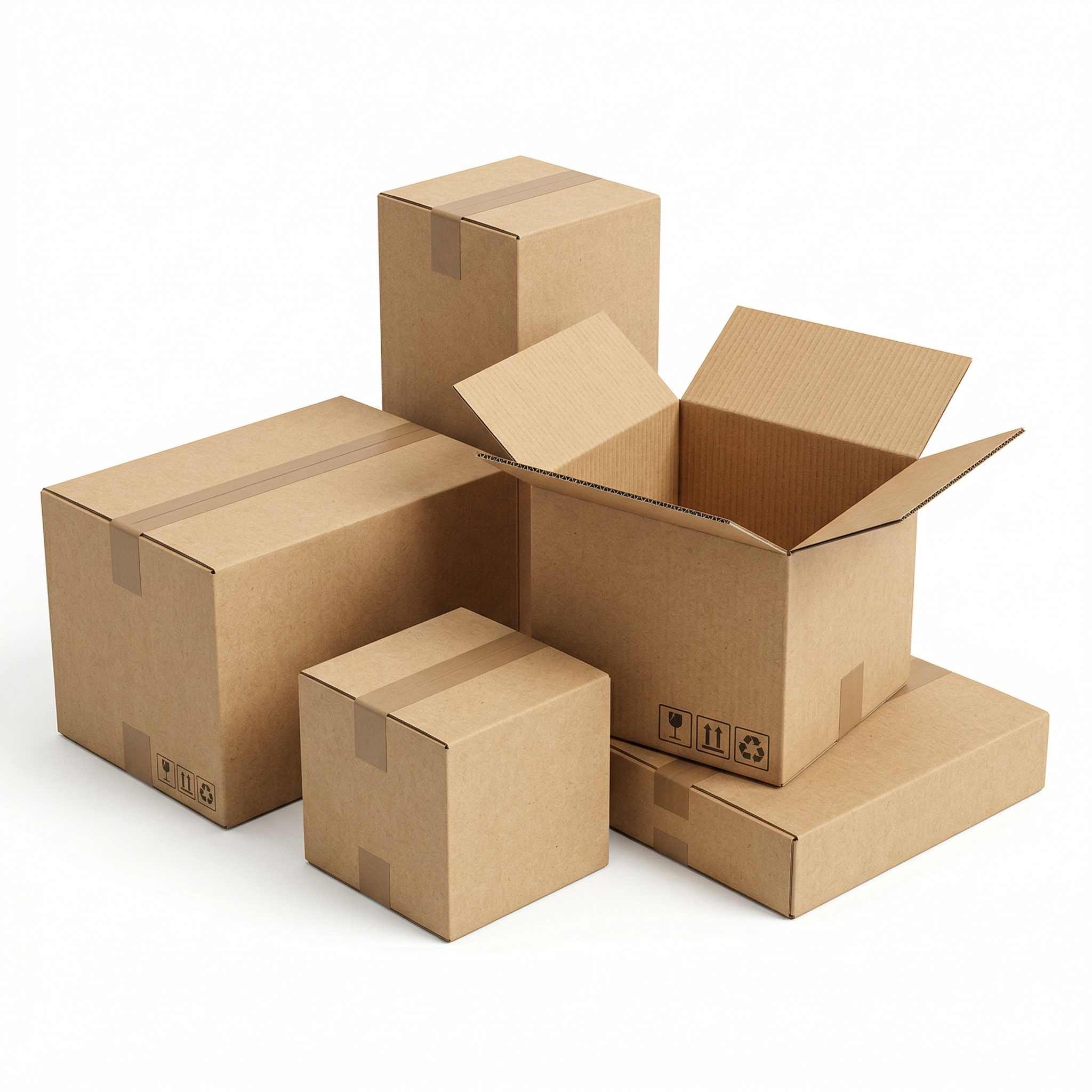
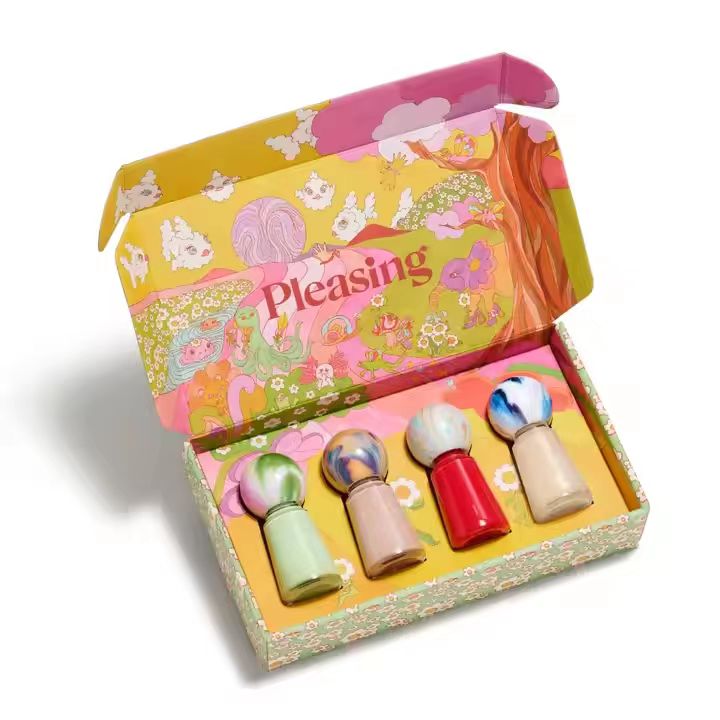
6. Mailer Box : Mailer boxes are commonly used in e-commerce for shipping cosmetics due to their durability and cost-effectiveness. Made from sturdy cardboard, these boxes provide excellent protection during transit while maintaining a sleek and professional appearance. Their stackable design makes them ideal for logistics, and they can also be customized with branding elements to enhance the unboxing experience.
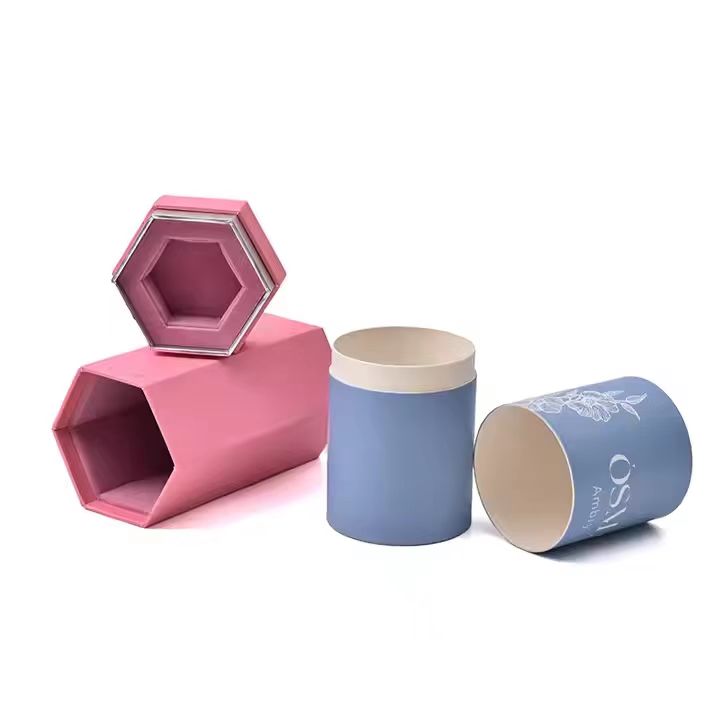
7. Custom-Shaped Boxes: Unique shapes, such as hexagonal or cylindrical designs, are increasingly used to stand out on crowded shelves. These boxes are perfect for niche or limited-edition products.
Materials Used in Cosmetic Boxes
The choice of material significantly impacts the functionality, aesthetics, and sustainability of cosmetic boxes:
– Cardboard and Paperboard: These materials are lightweight, recyclable, and cost-effective. They are commonly used for standard cosmetic boxes and can be enhanced with finishes like matte lamination or embossing .
– Rigid Paperboard: Known for its durability, rigid paperboard is often used for luxury packaging. It provides a premium feel and excellent structural integrity, making it ideal for high-end brands .
– Plastic (e.g., Acrylic or PET): Transparent plastic boxes are perfect for showcasing products while offering protection. Recycled acrylic, sourced from materials like plastic bottles, is gaining popularity for its eco-friendly properties .
– Velvet and Fabric-Lined Boxes: These materials add a tactile and luxurious touch, often used for premium beauty products or gift sets .
– Sustainable Materials: Brands are increasingly adopting biodegradable or recycled materials, such as molded pulp or bamboo, to align with environmental goals .


Factors to Consider in Material Selection
- Environmental Regulations: The EU’s plastic ban, aimed at reducing the environmental impact of single-use plastics, has significantly driven the adoption of recyclable and sustainable materials . Brands must align their packaging strategies with these regulations to ensure compliance and meet consumer expectations for eco-friendly solutions. For instance, replacing conventional plastics with biodegradable or recycled alternatives has become a priority in industries such as food, cosmetics, and fashion.
- Cost Management: While mass-market brands often favor cost-effective plastic materials to maintain affordability, premium brands are increasingly investing in high-quality options like cardboard, rigid paperboard, or other sustainable materials. These materials not only enhance the perceived value of the product but also allow brands to command higher price points by appealing to environmentally conscious consumers . This strategic differentiation helps luxury brands reinforce their market positioning while contributing to sustainability goals.
By balancing regulatory compliance with cost considerations, businesses can create packaging solutions that are both economically viable and environmentally responsible.
Production Process
The production of cosmetic boxes involves several steps, each contributing to the final quality and functionality:
1. Design and Prototyping: A prototype is created to test the box’s dimensions, structure, and usability. This step ensures that the design meets both aesthetic and functional requirements .
2. Material Selection and Cutting: The chosen material is cut using techniques like die-cutting or laser cutting. For example, cardboard is often die-cut into precise shapes, while plastic may require injection molding .
3. Printing and Finishing: Advanced printing techniques, such as offset printing, digital printing, foil stamping, or UV coating, are applied to enhance the visual appeal. Finishing touches like embossing or debossing add texture and depth .
4. Assembly and Quality Control: The components are assembled, and the final product undergoes rigorous testing to ensure durability, alignment, and print quality .

Customization Options
Customization is key to creating a unique and memorable cosmetic box:
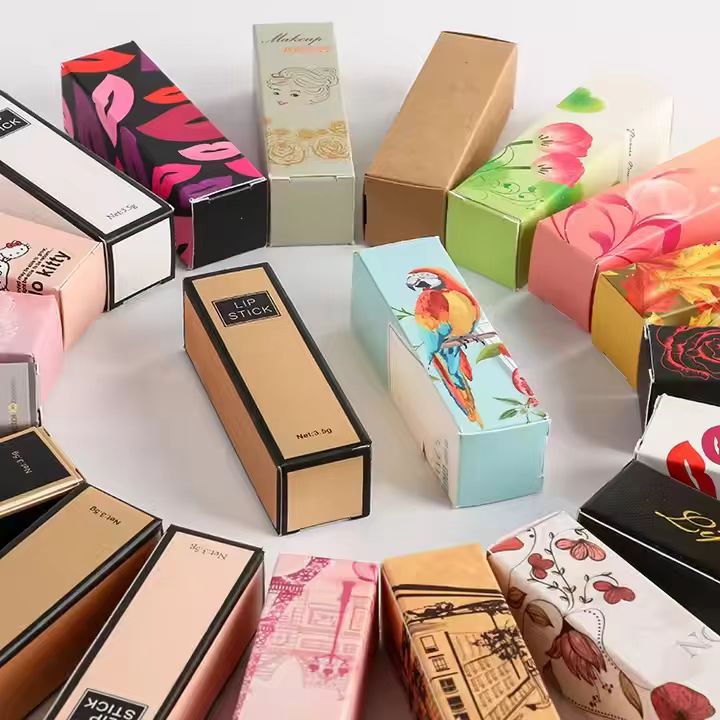
– Dimensions: Boxes can be tailored to fit specific product sizes, ensuring a snug fit and optimal protection. For instance, lipstick boxes may require slim, elongated designs, while foundation bottles need wider bases .
– Material Choices: Depending on the product’s weight, fragility, and brand identity, materials can range from eco-friendly paperboard to luxurious velvet .
– Printing and Branding: Custom printing allows brands to incorporate logos, patterns, or unique designs. Techniques like hot foil stamping or spot UV coating can elevate the perceived value of the packaging .
– Cost: Customization costs vary based on material, complexity, and order volume. Simple designs using standard materials are more affordable, while intricate designs with premium finishes may incur higher costs .

Applications of Cosmetic Boxes
Cosmetic boxes are used in a wide range of scenarios:
– Retail Packaging: Designed to attract customers on store shelves, these boxes often feature vibrant colors and eye-catching designs .
– Gift Sets: Luxurious boxes with inserts or compartments are perfect for holiday or promotional gift sets, enhancing the unboxing experience .
– E-Commerce Shipping: Foldable or corrugated boxes with protective inserts ensure products arrive safely during transit .
– Luxury Branding: High-end brands use custom-shaped or rigid boxes to convey exclusivity and sophistication .

Advantages and Disadvantages
Advantages
– Protection: Cosmetic boxes safeguard products from damage during shipping and storage .
– Brand Differentiation: Unique designs and finishes help brands stand out in a competitive market .
– Sustainability: Eco-friendly materials align with modern consumer preferences for environmentally responsible packaging .
Disadvantages
– Cost: Premium materials and intricate designs can increase production costs .
– Environmental Impact: Non-recyclable plastics or excessive layers of material may contribute to waste .
– Complexity: Custom-shaped boxes may require specialized machinery and longer production times .

How to Choose or Create Your Own Cosmetic Box
Choosing or designing the right cosmetic box involves careful consideration of several factors:
1. Product Type: Fragile or liquid-based products may require sturdier materials and protective inserts .
2. Budget: Align your material and design choices with your financial constraints. For example, startups may opt for cost-effective paperboard, while established brands may invest in rigid boxes .
3. Sustainability Goals: If eco-friendliness is a priority, consider materials like recycled paper, biodegradable plastics, or bamboo .
4. Unboxing Experience: For luxury or gift items, focus on elements that enhance the tactile and visual experience, such as velvet linings or metallic accents .
5. Trends and Innovation: Stay updated on industry trends, such as minimalist designs, interactive features (e.g., QR codes), or reusable packaging .

Current Trends and Future Prospects
Trends
– Minimalist Designs: Clean lines and neutral tones are increasingly popular, reflecting a shift toward simplicity and elegance .
– Interactive Elements: Smart packaging, such as NFC chips or AR experiences, is gaining traction, allowing brands to engage customers digitally .
– Sustainability: Biodegradable materials, refillable containers, and zero-waste initiatives are becoming essential for modern brands .
Future Prospects
The cosmetic packaging industry is poised for growth, driven by advancements in sustainable materials and digital technologies. Brands that prioritize innovation, customization, and eco-friendliness will likely lead the market .

Custom Cosmetic Boxes
Cosmetic boxes are a vital tool for protecting products, enhancing brand identity, and creating memorable customer experiences. By understanding the types, materials, production processes, and customization options, businesses can create packaging that aligns with their goals and resonates with consumers . As trends evolve and sustainability becomes increasingly important, the future of cosmetic packaging holds exciting possibilities for creativity and innovation .