Business cards are an indispensable carrier in business communication. Their design directly impacts the first impression on potential clients and their willingness to follow up, serving as a direct reflection of the brand’s strength and professional attitude. After a pleasant conversation with a potential client, when you hand over your business card, everyone hopes the other party will take the initiative to advance the collaboration. However, the results are often suboptimal, and the core issue frequently lies on the back of the card—most people leave this space blank, wasting a valuable opportunity to convey value.
In fact, the role of a business card goes far beyond carrying contact information. When designed properly, it can become an efficient mobile promotional tool, helping to further highlight business advantages and reinforce brand memory. Below, we’ll detail the key design points for the front and back of the business card, as well as common materials and surface treatment processes, to ensure every card maximizes its value.
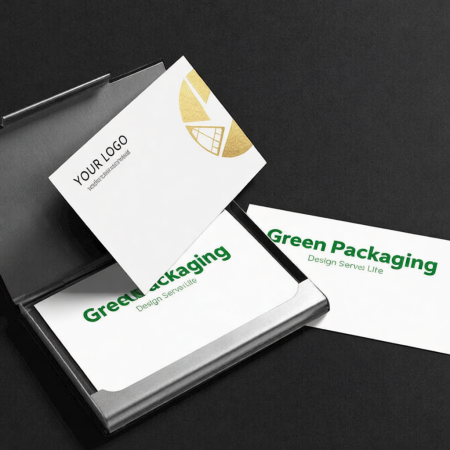
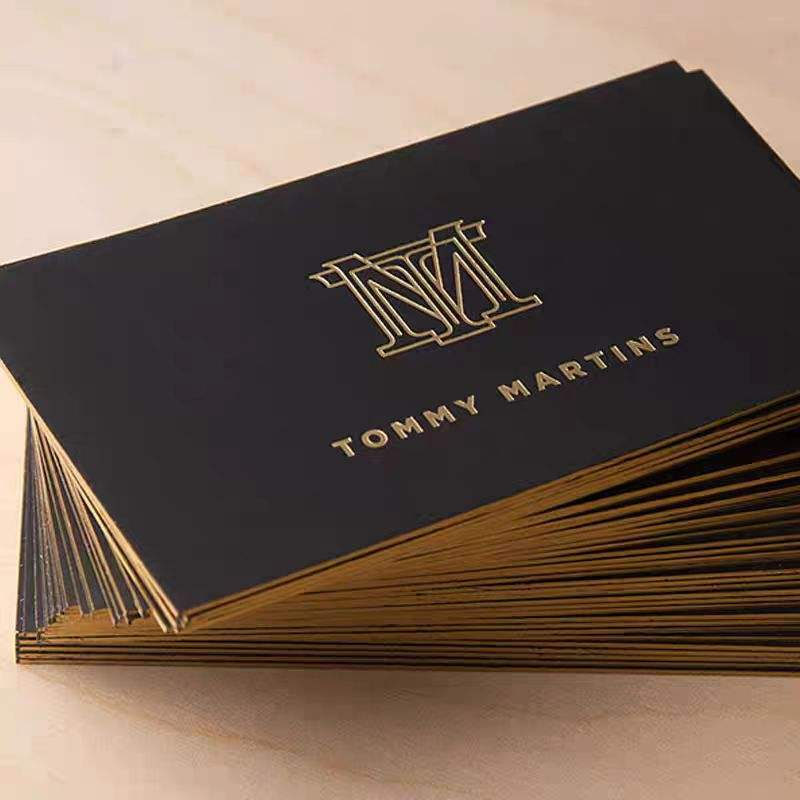
Key Design Points for the Front of the Business Card
The core function of the front of the business card is to efficiently convey key information, allowing the recipient to instantly understand your identity and contact details while establishing a professional and efficient first impression. The design doesn’t need to be complex.
Essential Information on the Front of business card
Identity Information: Full name + clear job title, so the recipient immediately understands your role and the value you can provide.
Company Information: The company name should be bolded, with a font size slightly smaller than the name. Place the brand logo in the upper left or upper right corner, controlling its size to about one-tenth of the overall area, ensuring it’s high-definition and doesn’t obscure other text.
Core Contact Methods: Prioritize a direct mobile number and a commonly used work email. With limited space on the front, avoid piling on multiple contact methods to prevent visual clutter.
Optional Additions: If the company has a core business direction, add a brief description; or include the company’s detailed address.
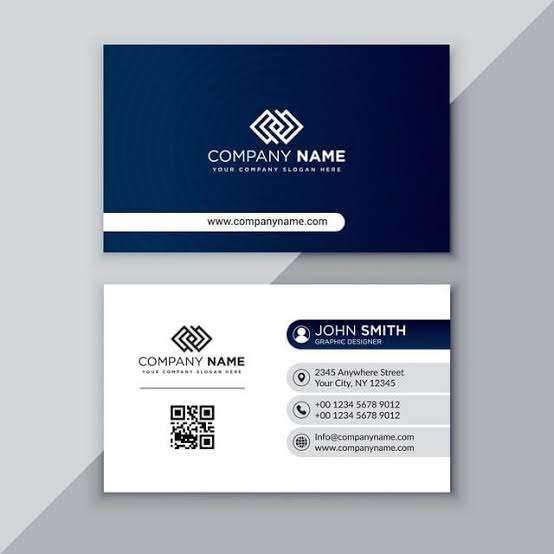
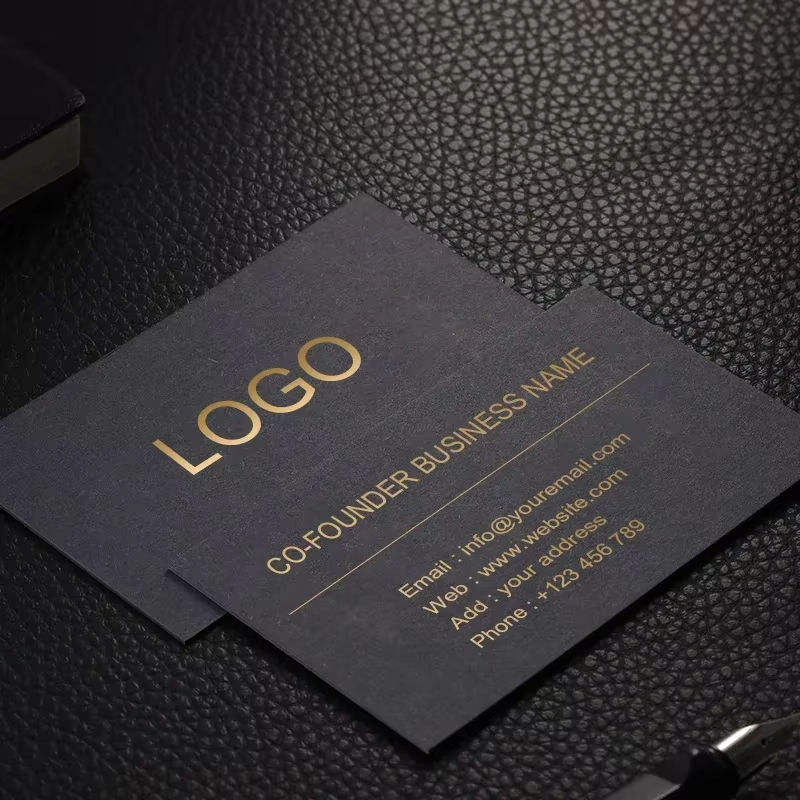
Design Considerations for the Front of business card
Layout: Text should prioritize left alignment, or centered alignment can be chosen. Maintain consistent line spacing with ample white space to avoid text crowding or overlapping.
Fonts: Use clear, easy-to-read sans-serif fonts. Avoid fancy artistic fonts. The minimum font size should not be less than 8 pt to ensure legibility even at small sizes.
Color Scheme: Pair the brand’s primary color with neutral tones like black, white, and gray. Limit to no more than three colors, avoiding high-saturation or glaring combinations.
Highlight Key Elements: Make the name and mobile number slightly larger in font size, and bold the company name and brand logo. Through simple font size differences and weight variations, allow the recipient to lock onto key information within 3 seconds.
Key Design Points for the Back of the Business Card
The back of business card doesn’t need to repeat front information; its core is to convey brand value, showcase business scope, and guide the recipient to proactively establish contact.
Showcase Brand Elements to Make the Recipient Remember You
Logo with Slogan: The brand logo on the back can be slightly larger than on the front, paired with a concise and powerful slogan to convey core value propositions.
Brand Colors with Simple Patterns: Use the brand’s primary color as the background, paired with simple line patterns, such as brand symbols, geometric shapes, or abstract textures. No need for complex designs—just highlight a sense of design.
Brand Core Philosophy: Summarize the brand’s core in one or two sentences, focusing on the value brought to clients or industry positioning.
Supplement Practical Information to Let the Recipient Understand You
Extended Contact Methods: Add the company website and core social media accounts, ensuring the accounts are accurate and active.
Showcase Business or Products: If selling products, place 1 to 2 clear product photos, avoiding blurry or excessive images; if providing services, use a concise list to outline core services.
Design Interactive Content to Guide Client Actions
QR Code with Action Guidance: Print a clear QR code on the back, and test it before printing to ensure smooth scanning. After scanning, it can redirect to the website, product manual, industry report, or brand introduction video. Add clear action guidance nearby, such as “Scan to claim exclusive benefits,” “Call for free consultation,” “25% off first collaboration,” or “Claim free trial.”
Personalized Touches: You can print a professional personal photo with a simple background to help clients quickly recognize you next time they meet, suitable for industries with frequent face-to-face communication; or leave a small blank area marked for notes, allowing clients to record key information on the spot.

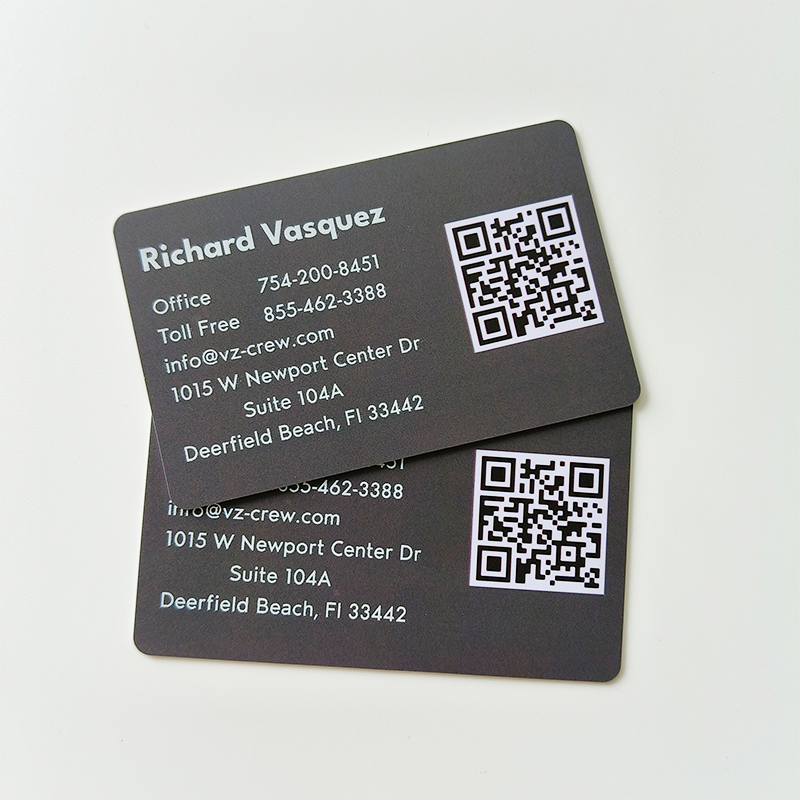
Business card Back Design Tips
Control Information Volume: Organize content into blocks with ample white space; don’t cram text and patterns together.
Unified Color Scheme: The back’s colors should match the front to maintain brand visual consistency.
QR Code Standards: The QR code should be no smaller than 1.5 cm by 1.5 cm, with white space around it; don’t obscure it to ensure normal scanning.
Business Card Materials: Different Materials Suit Different Needs
Materials affect the texture and brand impression of the business card. Paper materials offer high cost-effectiveness and broad applicability, making them the most common choice.
Different Paper Materials and Suitable Industries
Coated Paper: Smooth and white surface, vibrant printed colors, clear for images and text. Suitable for most industries like sales, services, and tech. Low cost and high value, it’s the most commonly used material.
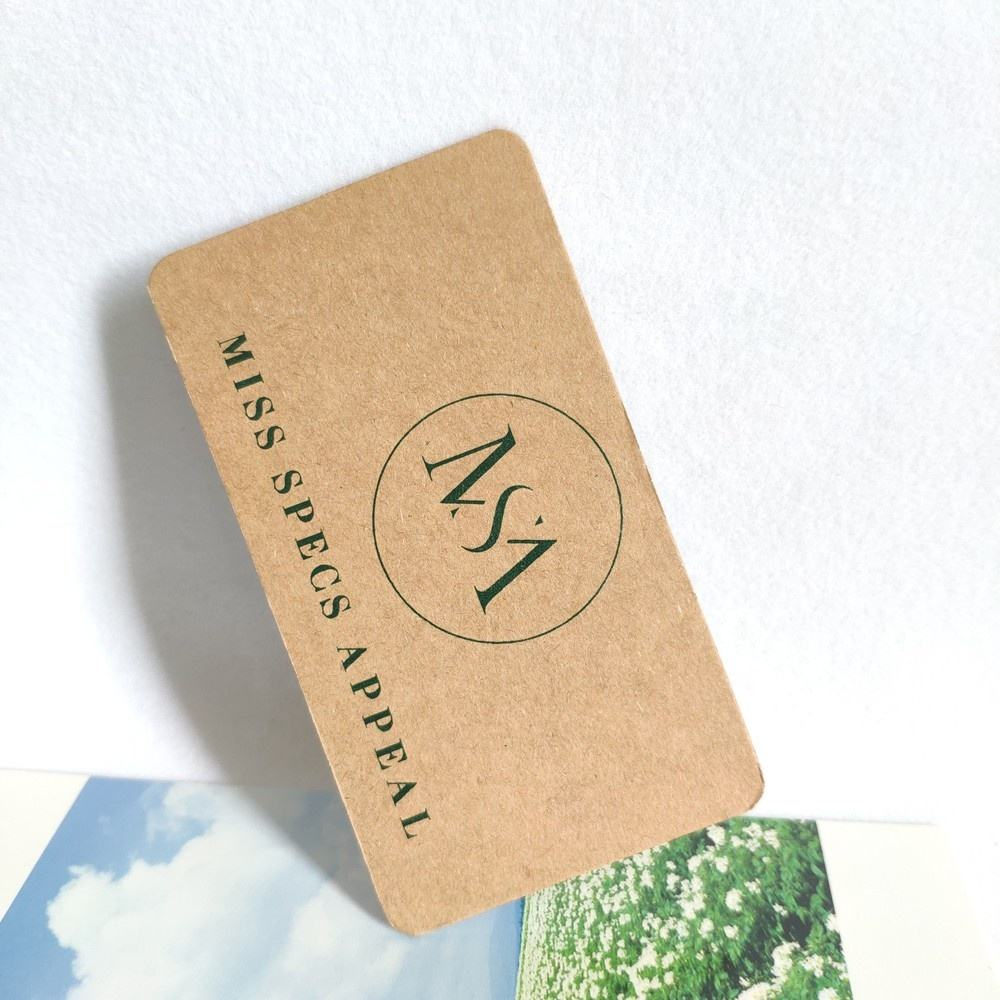
Kraft Paper: Divided into yellow kraft and white kraft, with a natural texture, strong paper toughness, giving a retro and eco-friendly feel. Suitable for brands emphasizing environmental protection, retro styles, or cultural/creative and handmade industries.
Recycled Paper: Made from recycled pulp, with a rough texture and darker colors like light gray or light brown. Strong eco-friendly attributes, suitable for companies practicing sustainable development or those in charity and environmental industries.
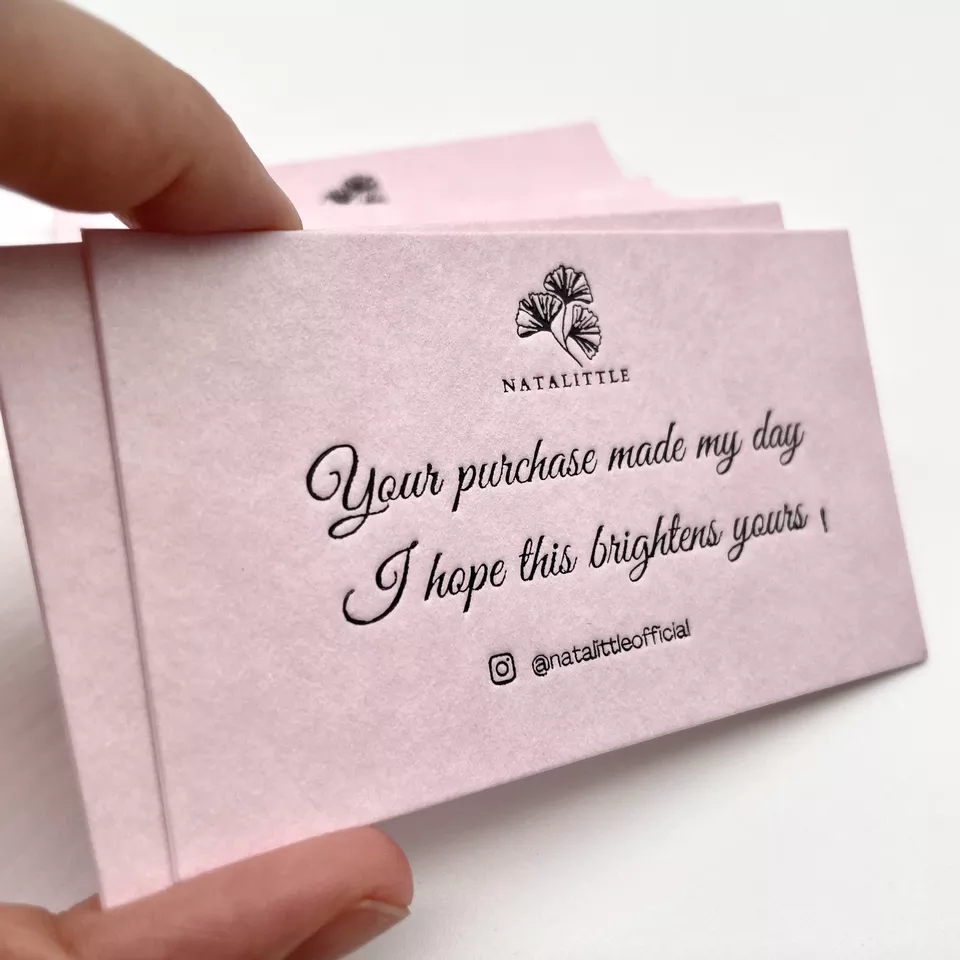
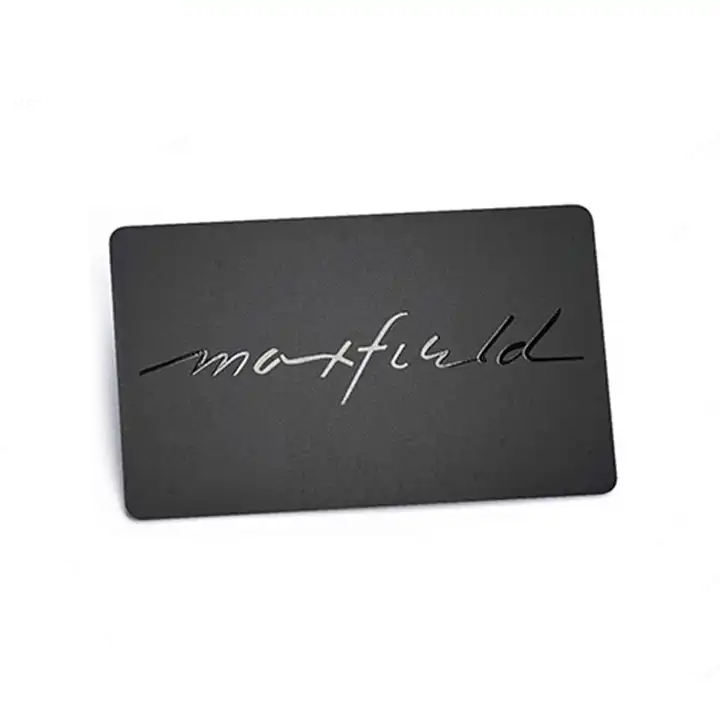
Specialty Paper: Includes embossed paper, textured paper, pearlescent paper, etc., with unique surface textures or gloss, such as lychee texture, fabric texture, or pearlescent effects. High-end feel and good touch, suitable for premium brands, design, and luxury industries.
White Cardstock: Firm paper with high whiteness, clear printing effects, and good color reproduction. Suitable for scenarios needing precise brand color or product image presentation.
Matte Paper: Non-glossy surface, fine touch, soft printed colors without reflection. Suitable for brands pursuing minimalist, high-end routes, avoiding illegibility under strong light.

Other Materials
Plastic Materials: Including PET, PVC, PP, etc., waterproof, moisture-resistant, durable, and not easily damaged. PET plastic is transparent, suitable for fashion and beauty brands; PVC has high hardness, suitable for outdoor gear and industrial brands; PP is lightweight and eco-friendly, and can be made matte to enhance texture.
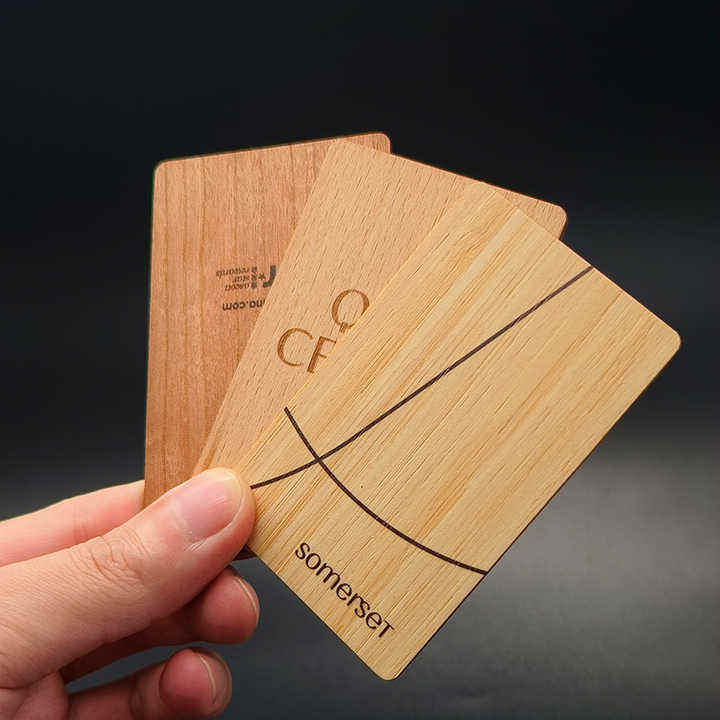
Special Materials: Wooden materials offer high-end texture with natural grains, suitable for luxury and premium service brands; metal materials like aluminum foil or stainless steel sheets have a strong tech feel and good durability, suitable for tech and industrial brands, but with high costs and fewer users.

5 Surface Treatment Processes for Paper Business Cards
Different surface treatment processes can achieve various effects, chosen based on brand positioning and budget.
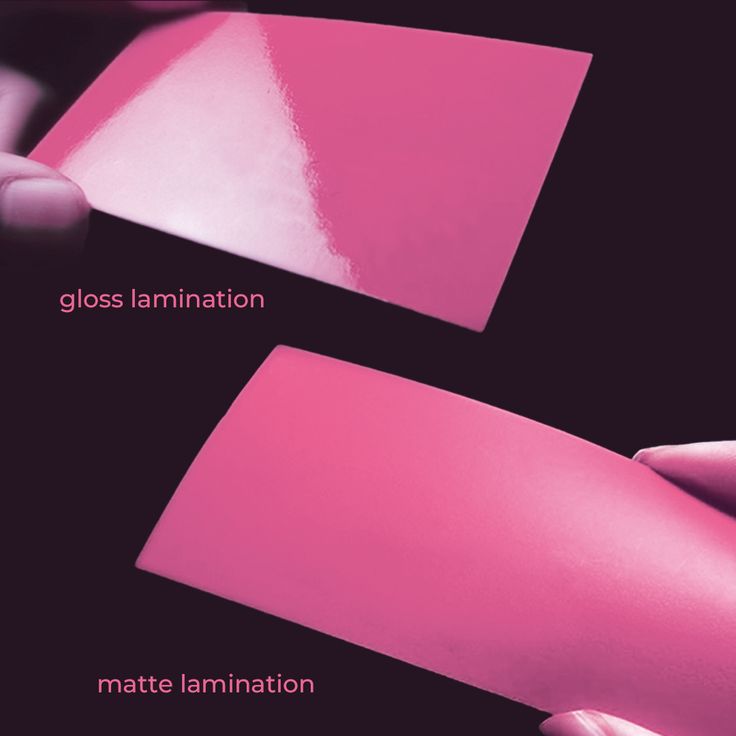
Lamination: The most basic process, divided into matte and gloss lamination. Gloss lamination has a shiny surface, waterproof and scratch-resistant, protecting images and text from fading, suitable for cards with many images; matte lamination has a soft surface and understated texture, suitable for high-end brands and minimalist styles.
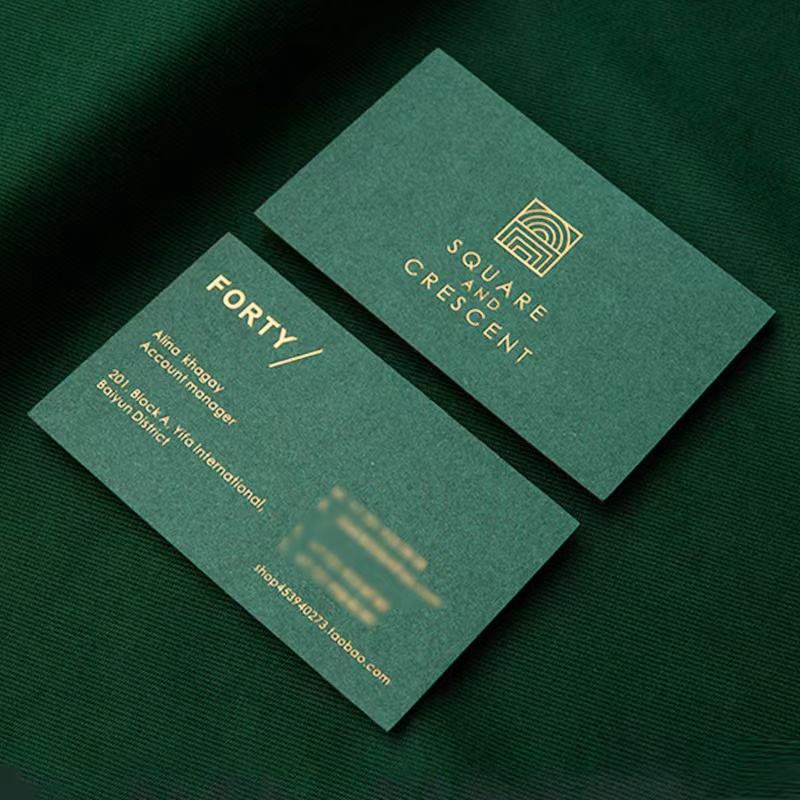
Stamping(Gold/Silver): Use high temperature to foil metal onto logos, slogans, or borders for strong metallic sheen and standout visual effects, elevating the card’s grade. Suitable for premium brands and holiday-themed cards.
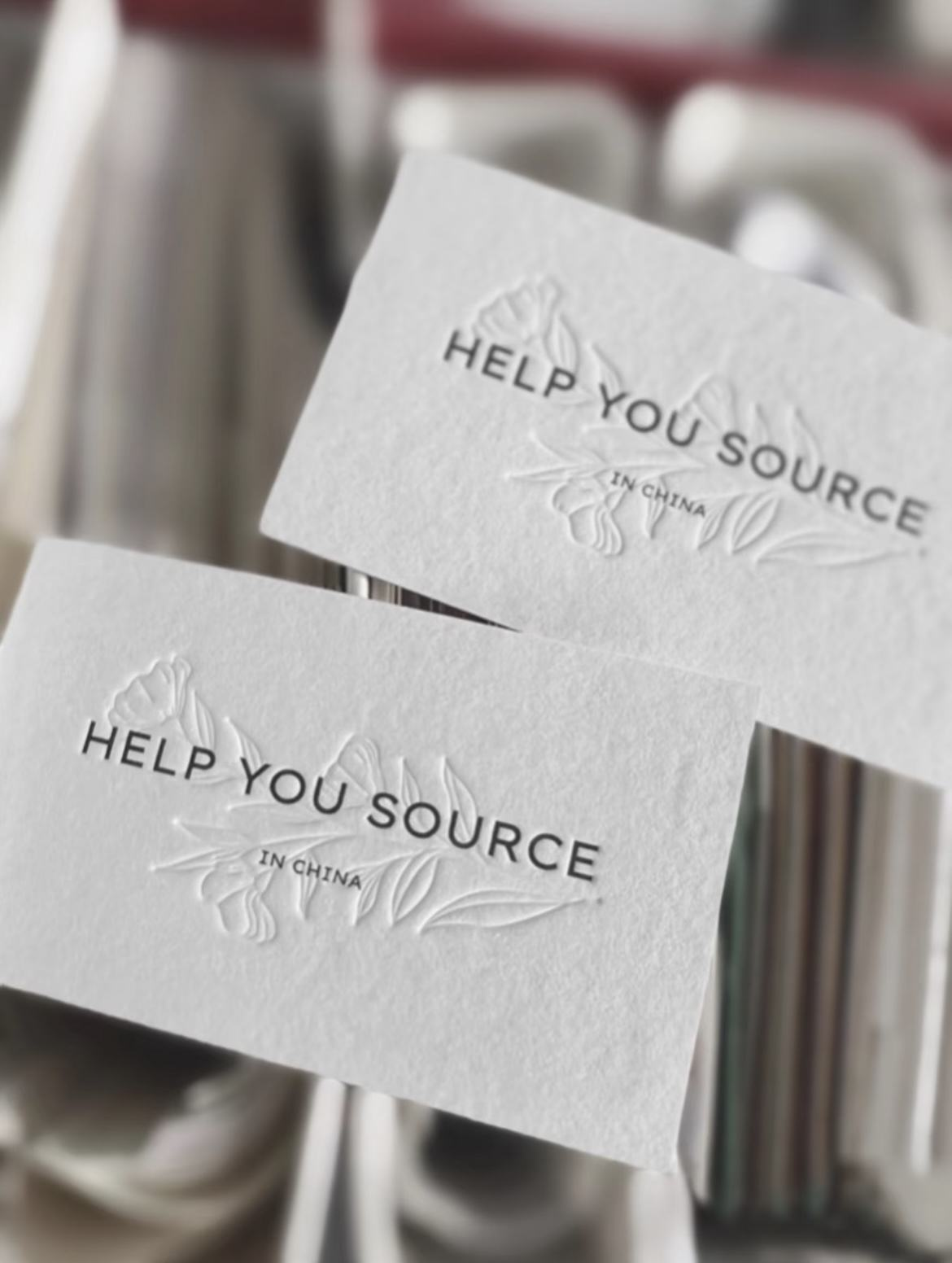
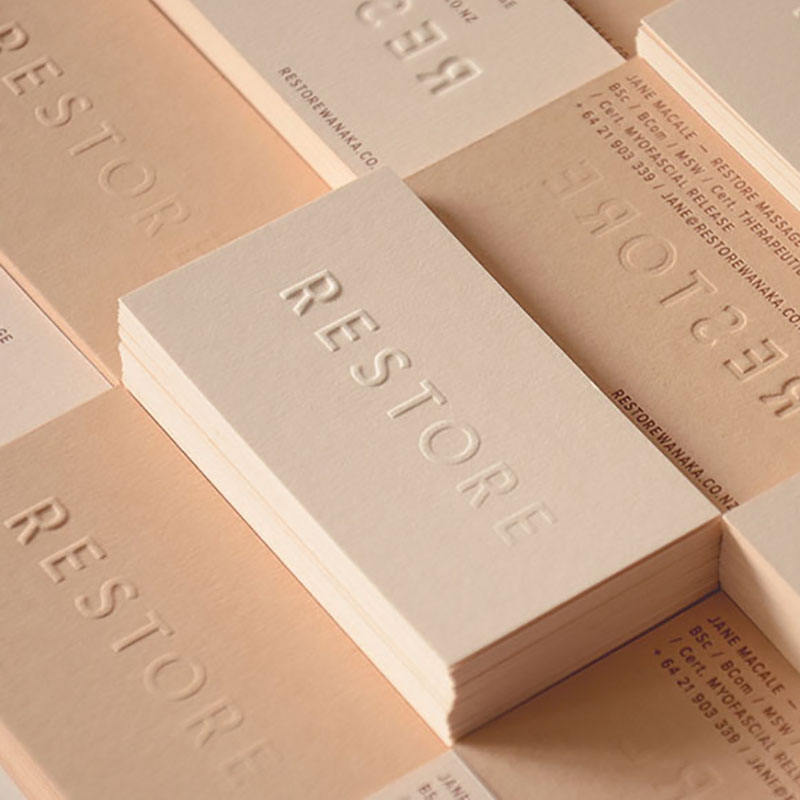
Embossing/Debossing: Use molds to press logos, text, or patterns to protrude or recess, creating a tactile 3D feel. No coloring needed to highlight key points, suitable for minimalist styles and detail-oriented brands, with moderate costs.
UV Printing: Apply a layer of transparent UV ink over logos, key text, or images; after curing, it’s shiny and wear-resistant, guiding clients to focus on critical information like action guidance or core advantages.
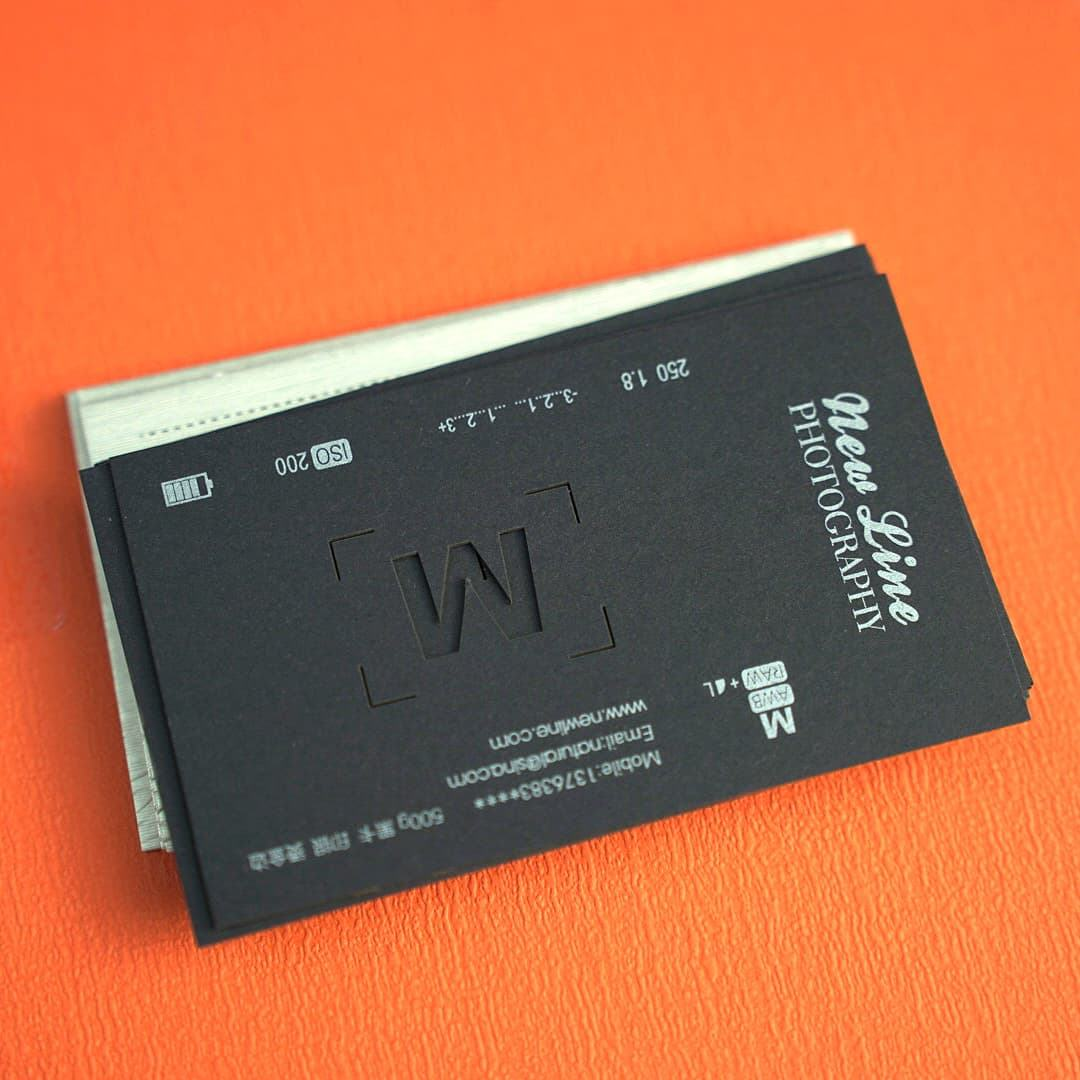
Partial Die-Cutting: Die-cut logos, geometric shapes, or text on the card, which can be paired with lamination or foiling for strong creativity. Suitable for design and fashion brands, but with high costs and demanding craftsmanship.
The core design principles of business cards
Low Cost: Prioritize cost-effective paper materials like coated or matte paper. Choose processes based on brand positioning—mass-market brands opt for lamination or embossing, premium brands choose foiling or embossing/debossing—without overinvesting.
Strong Association: Design should match the brand and business, e.g., tech brands use blue-white colors with UV processes, eco-friendly brands use recycled paper with simple textures, so clients know what you do and your advantages upon receiving the card.
High Memorability: Don’t overload with information; keep the back to at most three core highlights, like brand slogans, core advantages, action guidance, plus one set of key contacts, allowing clients to remember the essentials at a glance and find you quickly when needed.
A small business card is not just a carrier of contact information; it also conceals the brand’s strength, attitude, and core values. Solidify the front to make key information clear at a glance with full professionalism; make the back creative to highlight brand value and business features distinctly. Then, precisely select matching materials and processes to break free from the limitations of paper, turning every card into a self-spreading mobile promotional piece that subtly impresses potential clients and prompts them to reach out.
Achieving all this perfectly requires professional customization and printing support—we offer one-stop business card customization services from design consultation, material selection, process matching, to precise printing, fully tailored to your brand needs. With professional expertise, we handle every detail, making the business card a true mini spokesperson for your brand, connecting you to more collaboration opportunities.