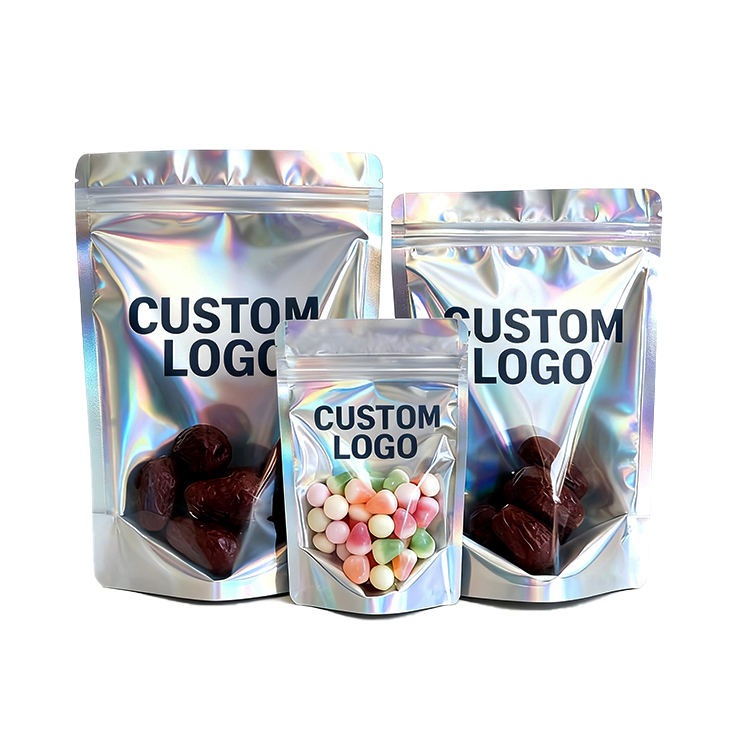
Zip lock bags have become an indispensable packaging solution across various industries, from food storage to retail and beyond. Their versatility, functionality, and affordability make them a popular choice for businesses and consumers alike. In this guide, we’ll explore the materials used in zip lock bags, their advantages, how to choose the right size, and additional factors to consider when selecting the perfect bag for your needs.
Materials Used in Zip Lock Bags And Applications
The material of a zip lock bag plays a crucial role in determining its performance, durability, and suitability for specific applications. Below are some of the most commonly used materials:
– Polyethylene (PE): PE-based ZIP lock bags are widely used in the food industry due to their flexibility, durability, and moisture-resistant properties. These bags are ideal for storing perishable items like fruits, vegetables, and protein balls, as they provide a reliable barrier against humidity while remaining lightweight and cost-effective.
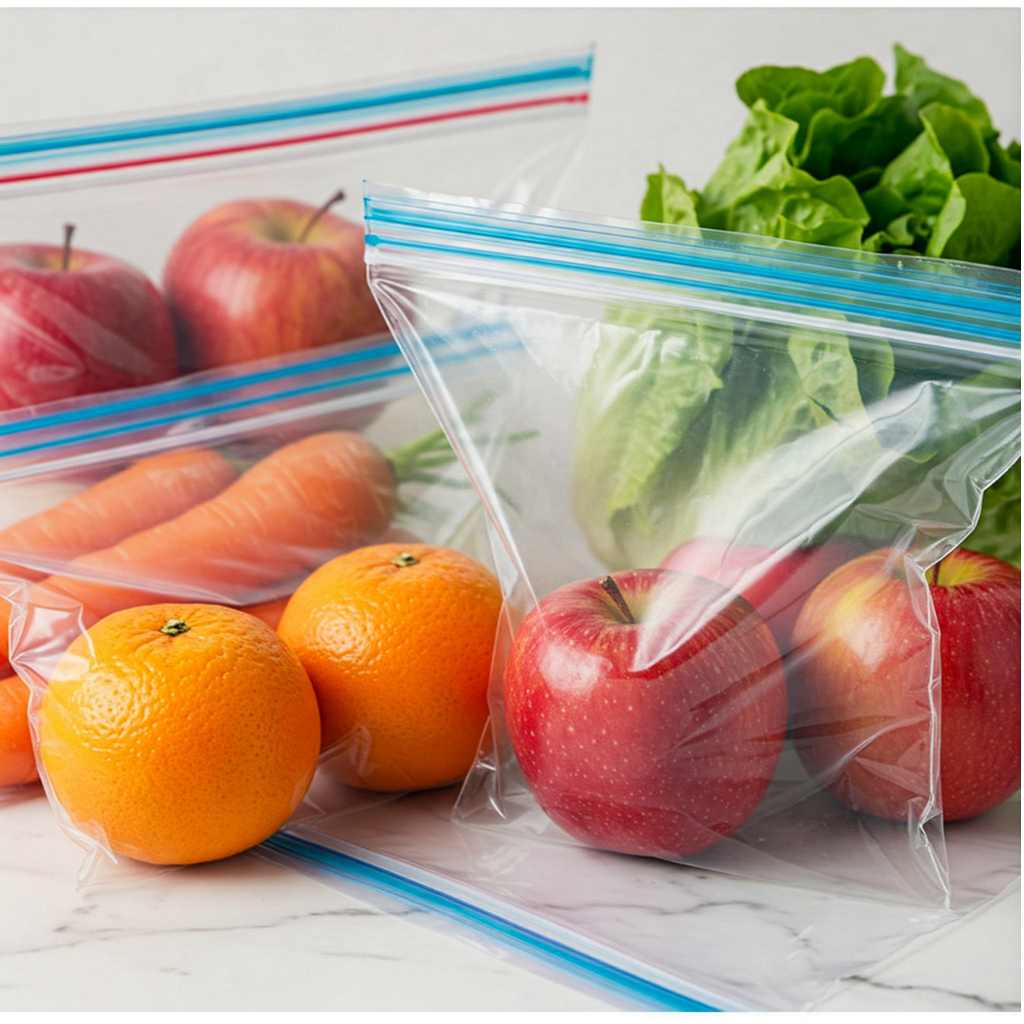

– Polyvinyl Chloride (PVC): PVC offers clarity and rigidity, making them suitable for retail environments where product visibility is essential. They are often used to package small consumer goods, such as hardware components or craft supplies, allowing customers to see the contents without opening the bag.

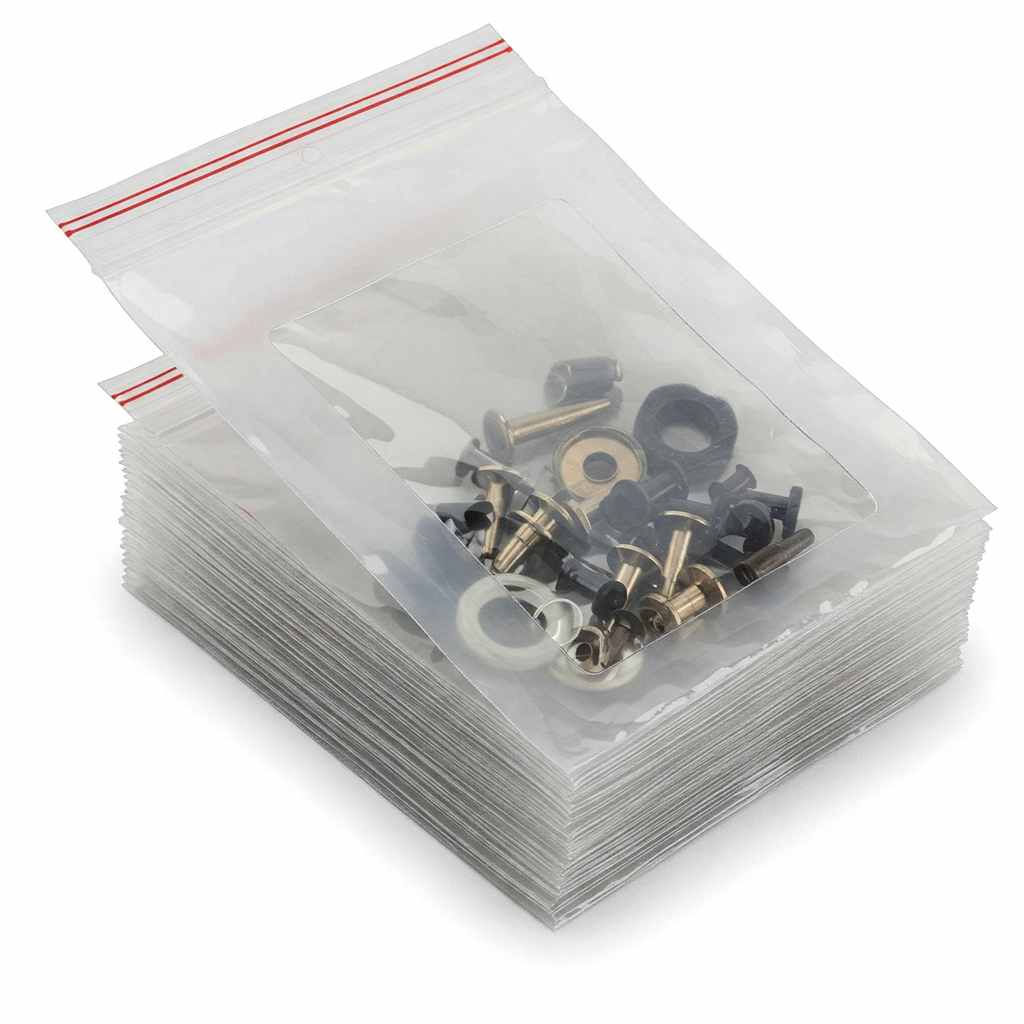
– Aluminum Foil Composite Materials: These materials are often used for high-barrier applications, such as protecting sensitive items like snacks from light, oxygen, and moisture.

– Silicone: While less common, silicone bags are gaining popularity for reusable food storage due to their heat resistance and eco-friendly nature. Their heat resistance and non-toxic nature make them ideal for microwaving, freezing, or sous-vide cooking. Additionally, their eco-friendly design appeals to environmentally conscious consumers looking to reduce single-use plastics.


Each material offers distinct advantages, ensuring that ZIP lock bags can meet the diverse needs of industries ranging from food and healthcare to retail and household organization . By selecting the right material for the intended application, businesses and consumers can maximize the functionality and sustainability of their packaging choices.
Advantages of Zip Lock Bags
Zip lock bags offer numerous benefits that make them a versatile and practical packaging solution:
| Waterproof and Dustproof | The tight seal prevents moisture and dust from entering, keeping the contents fresh and clean |
| Reusable | Many zip lock bags can be reused multiple times, reducing waste and offering long-term value. |
| Strong Sealing Performance | The zipper mechanism ensures an airtight seal, which is essential for preserving perishable items or protecting delicate goods. |
| Compact and Space-Saving | These bags are lightweight and foldable, making them easy to store and transport without taking up much space. |
| Affordable | Zipper lock bags are cost-effective compared to rigid packaging options, making them accessible for businesses of all sizes. |
| Customizable | Brands can personalize zip lock bags by customizing dimensions, colors, logos, and finishes to align with their identity and meet consumer preferences. |
| Environmentally Friendly Options | With increasing demand for sustainability, many manufacturers now offer biodegradable or recyclable zip lock bags made from eco-conscious materials. |
These advantages make zip lock bags suitable for a wide range of applications, including food storage, retail displays, travel kits, and more.
How to Choose the Right Size for Your Zip Lock Bag?
Selecting the correct size for a zip lock bag is not just about aesthetics; it directly impacts functionality, user experience, and even the perceived value of the product . A well-sized bag ensures that the contents remain secure, fresh, and easy to access, while also optimizing storage space and minimizing waste. Here’s a detailed breakdown of how to determine the ideal size for your specific needs:
1. Consider Item Volume
The first step in choosing the right size is understanding the volume and dimensions of the items you plan to store. Start by measuring the length, width, and height of the product. For example, if you’re packaging marshmallows, consider their combined size when stacked or arranged inside the bag. It’s essential to leave a small buffer—typically 10-20% extra space—to allow for easy insertion and removal without overstuffing. Overcrowding can lead to tearing, difficulty sealing, or even damage to delicate items like baked goods or fragile products . Additionally, leaving some air inside the bag can help cushion the contents during transit or handling.
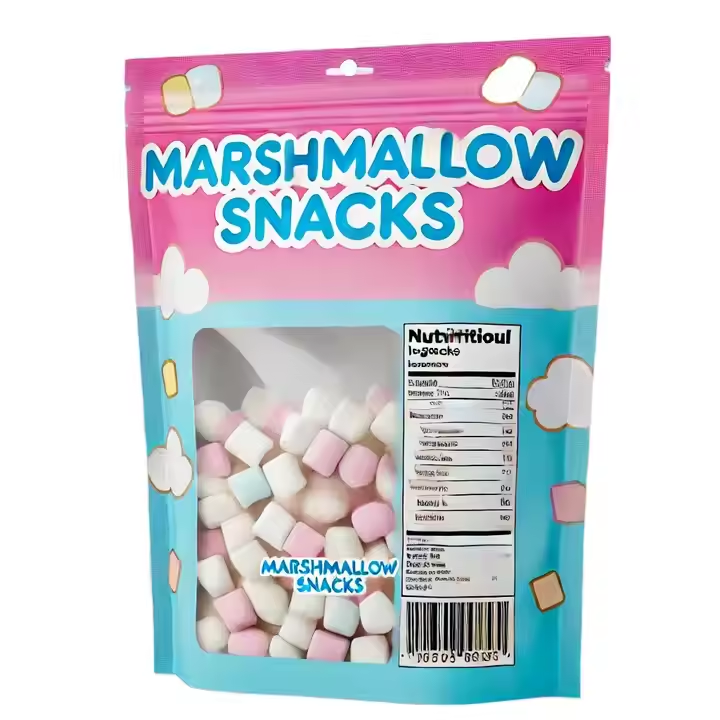
2. Purpose and Usage
Understanding the intended purpose of the bag is crucial in determining its size. For instance:
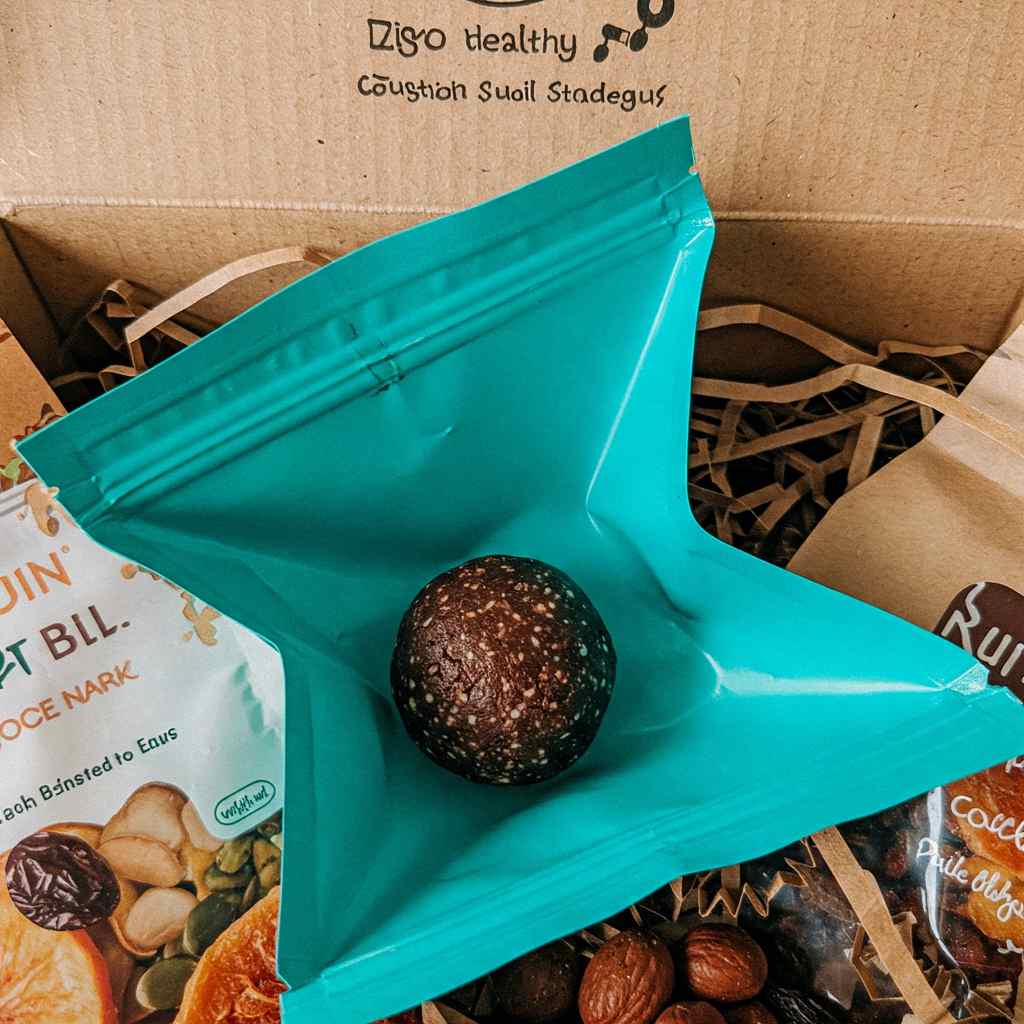
Single-Serve Items: If the bag will hold individual portions, such as a single protein ball or snack, smaller bags are more practical. These are commonly used in retail settings or subscription boxes where portion control and convenience are key .
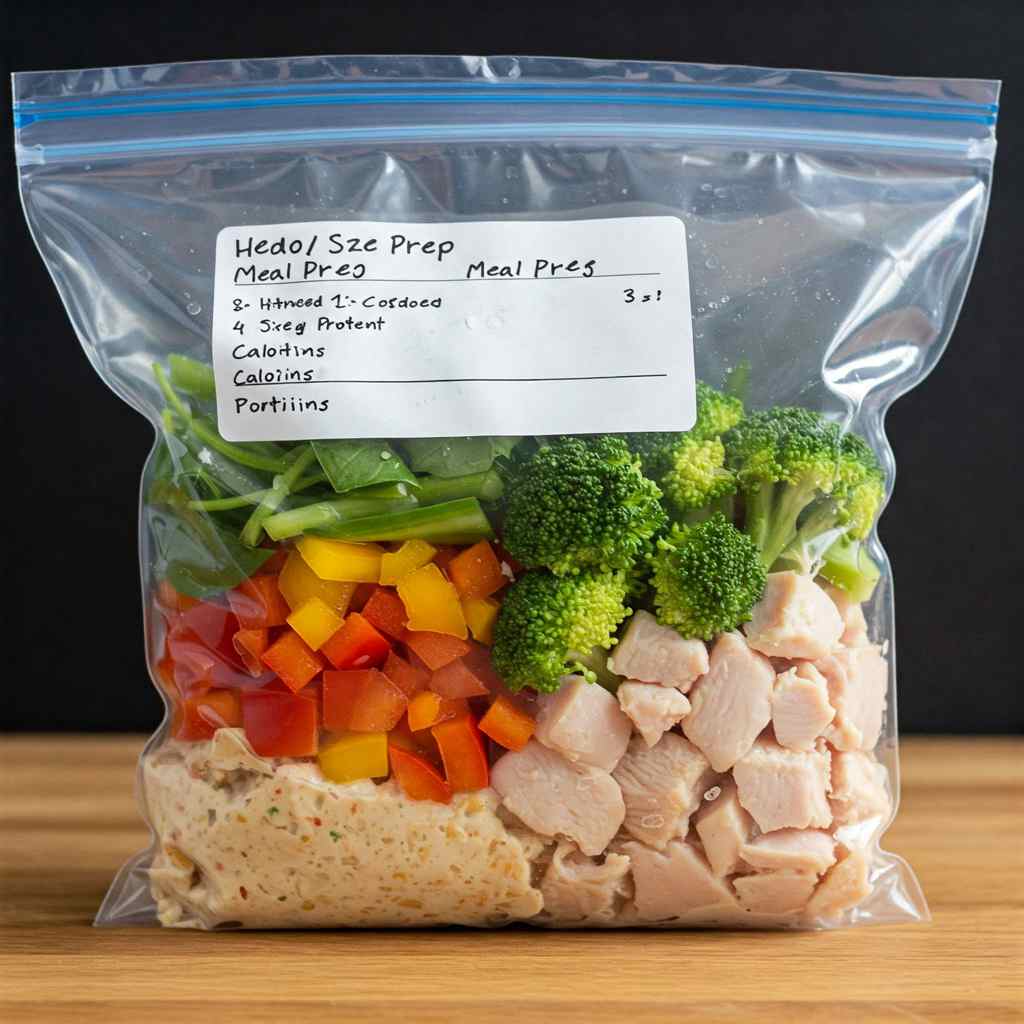
Bulk Storage: For businesses that sell larger quantities, such as wholesale cookies or meal prep kits, larger bags are necessary. These should be spacious enough to accommodate multiple items while still maintaining structural integrity .
Travel and Portability: Bags designed for travel kits or on-the-go use should strike a balance between compactness and capacity. For instance, a medium-sized bag might work best for carrying a few protein balls alongside other essentials like nuts or dried fruits.
3. Characteristics of Stored Items
The nature of the items being stored plays a significant role in sizing decisions. Different products have unique requirements that must be accounted for:
Fragile Items: Protein balls with delicate coatings or toppings may need extra room to prevent crushing or smudging. Avoid tight-fitting bags for such items, as they can increase the risk of damage during handling or shipping .
Irregular Shapes: Products with unconventional shapes, such as oddly shaped snacks or handmade treats, require bags with additional space to ensure they fit comfortably without bending or breaking.
Flat Objects: Conversely, flat items like documents, stickers, or thin pastries benefit from snug-fitting bags that minimize excess material and provide a sleek appearance. This not only enhances presentation but also reduces the likelihood of shifting during transport .

4. Practical Considerations
Beyond the physical attributes of the items, there are additional factors to keep in mind:
Ensure the bag size allows for smooth zipping and sealing. Bags that are too small may struggle to close properly, compromising the integrity of the seal and reducing the bag’s effectiveness.
Consider how the bags will be stored once filled. Smaller bags are easier to stack and organize, while larger bags may require more space but can consolidate multiple items into one container.
The size of the bag also affects branding opportunities. Larger bags provide more surface area for logos, labels, or instructions, which can enhance brand visibility and customer engagement .

5. Testing and Iteration
Finally, it’s always a good idea to test different sizes before finalizing your choice. Create prototypes and conduct real-world trials to assess how well each size performs under various conditions. Gather feedback from potential users to identify any issues related to usability, durability, or presentation . By refining your selection through iterative testing, you can ensure that the chosen size aligns perfectly with both functional and aesthetic requirements.
Additional Factors to Consider When Choosing Zip Lock Bags
Beyond size, several other aspects should influence your decision when selecting zip lock bags:
– Material Safety: Ensure the material is food-safe and free from harmful chemicals, especially if the bag will come into contact with consumables.
– Seal Performance: Test the zipper’s ability to maintain an airtight seal over time. Poor sealing can compromise the quality of stored items.
– Durability and Resistance: Look for bags that can withstand external pressures, such as stacking or rough handling, without tearing or breaking.
– Functional Design Features: Some bags include additional features like transparent windows for visibility, breathable vents for airflow, or reinforced edges for added strength.


– Environmental Impact: Opt for sustainable options made from recyclable, biodegradable, or compostable materials to reduce your carbon footprint.
– Specialized Properties: For unique applications, consider bags with features like heat resistance (for microwaving), cold tolerance (for freezing), or odor-blocking capabilities (for strong-smelling items).
These considerations ensure that the chosen zip lock bag not only meets basic requirements but also enhances the overall user experience.

Custom Zipper Lock Bag for Your Products
Zip lock bags are a highly versatile and practical packaging solution, thanks to their diverse materials, customizable designs, and wide-ranging applications. By understanding the key elements—such as material options, benefits, sizing guidelines, and additional selection criteria—you can choose the perfect zip lock bag for your specific needs. Whether you’re storing food, organizing supplies, or showcasing products, zip lock bags provide a reliable and adaptable option that balances functionality, affordability, and sustainability. As innovation continues to drive advancements in materials and design, zip lock bags will remain a staple in both personal and commercial settings.