Coffee packaging is not merely a container. It is a crucial factor in preserving the quality, flavor, and aroma of coffee, and it also serves as a powerful tool for brand promotion. As consumers increasingly value sustainability and functionality, choosing the right packaging is of utmost importance for coffee producers and sellers. This guide will explore how to store coffee effectively, the most popular packaging types and their advantages, the importance of customized packaging, and how to create customized packaging with a focus on sustainability, including collaborating with suppliers like Green Packaging Company.
How to Store Coffee Better?
1, Isolating Oxygen: The Core of Blocking Oxidation Reactions
Oxygen is the “invisible killer” of coffee. When the aromatic substances and oils in coffee beans come into contact with oxygen, oxidation reactions will occur, leading to the aging of the flavor, the dissipation of the aroma, and even the generation of an unpleasant rancid taste.
Sealing Technology: Choose sealed packaging with a one-way exhaust valve. It can not only discharge the carbon dioxide released after roasting (to avoid excessive pressure inside the bag) but also prevent external oxygen from entering.
Vacuum and Nitrogen Filling: Vacuum packaging can remove air to form an oxygen-free environment, which is suitable for long-term storage. Some high-end packaging will inject nitrogen to replace oxygen, further delaying oxidation.

2, Controlling Humidity: Rejecting Dampness and Mildew
Humidity is another major enemy of coffee. When the environmental humidity exceeds 60%, coffee beans are prone to absorbing moisture, resulting in clumping, mildew, and even the growth of microorganisms that affect the flavor.
Moisture-Proof Materials: Give priority to materials such as aluminum foil composite film and EVOH high-barrier film. Their water vapor permeability is extremely low, which can effectively block external moisture.
Storage Environment: Avoid storing coffee in humid areas such as the kitchen and bathroom. Seal it in time after opening, and you can use silica gel desiccants to enhance the moisture-proof effect.
3, Storing Away from Light: Resisting the “Flavor Plundering” of Light
Ultraviolet and visible light will accelerate the decomposition of coffee oils, causing the aroma molecules to break and the flavor to become dull.
Packaging Selection: Use opaque materials (such as metal cans, aluminized films) or dark glass (such as amber) for packaging to filter more than 90% of harmful light.
Storage Location: Place the coffee in a light-proof cabinet or drawer, and avoid direct exposure to sunlight or strong light.
4, Stabilizing the Temperature: Avoiding the Impact of Extreme Environments
Rapid temperature fluctuations will accelerate the chemical reactions inside the coffee. High temperatures will cause the oils to volatilize, and low temperatures may lead to the generation of condensed water.
Ideal Environment: Control the storage temperature between 15-25°C, and avoid being close to stoves, radiators, or refrigerators (to prevent the penetration of moisture and odors).
Container Selection: Rigid metal cans or glass jars can provide a more stable temperature buffer, reducing the impact of external temperature changes.
Storage Misconceptions and Advanced Suggestions
Avoid Repeated Opening: Frequent opening and closing of the packaging will increase the risk of oxygen and moisture intrusion. It is recommended to choose an appropriate capacity according to the usage frequency (for example, choose 200-300g for family packaging and 100g small packaging for single-origin beans).
Refuse Refrigeration in the Refrigerator: The moisture and odors in the refrigerator are easily absorbed by the coffee. Unless a fully sealed moisture-proof can is used, it is better to store it at room temperature away from light.
Pay Attention to Packaging Sustainability: On the premise of meeting the protection function, you can choose recyclable metal/glass containers or degradable plant-based packaging bags to balance environmental protection and quality.
Popular Coffee Packaging Types and Their Advantages
The core of coffee packaging lies in balancing quality protection, functional design, and market demand. The following is a detailed analysis of the current mainstream packaging types, focusing on material characteristics and practical application advantages:
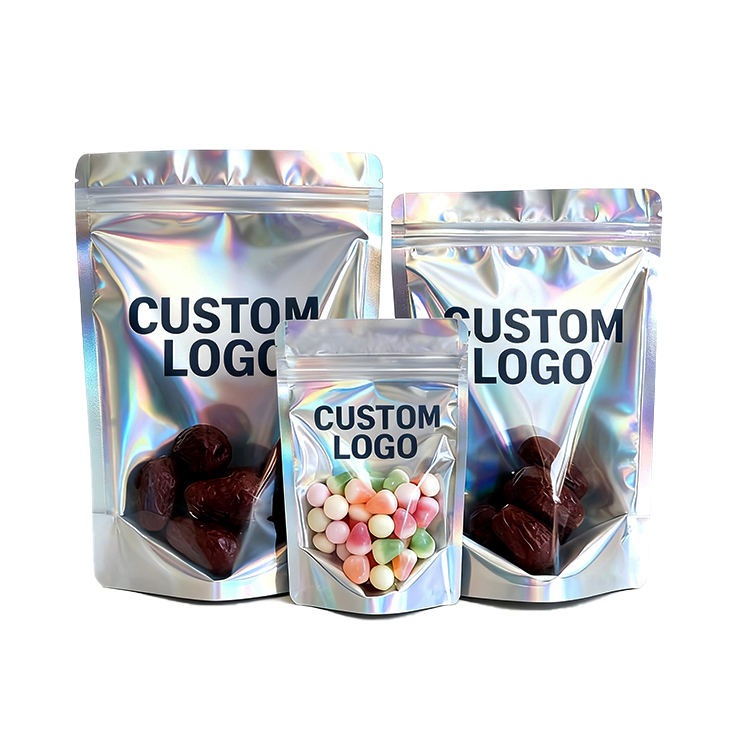
Stand-Up Pouches coffee packaging
Stand-up pouches are made of flexible composite materials. The flat-bottom design enables them to stand stably on the shelf, combining the convenience of display and space utilization. Such packaging usually has a built-in one-way exhaust valve, which can actively discharge the carbon dioxide released after coffee beans are roasted while isolating external oxygen, extending the shelf life to more than 6 months. The outer layer supports high-precision printing, and product features (such as the customs of the origin, roasting process, etc.) can be conveyed through rich graphic designs. In addition, their lightweight characteristics significantly reduce transportation costs. They weigh only one-fifth of traditional metal containers, making them suitable for the retail scenarios of specialty coffee brands that require both brand image and cost-effectiveness.

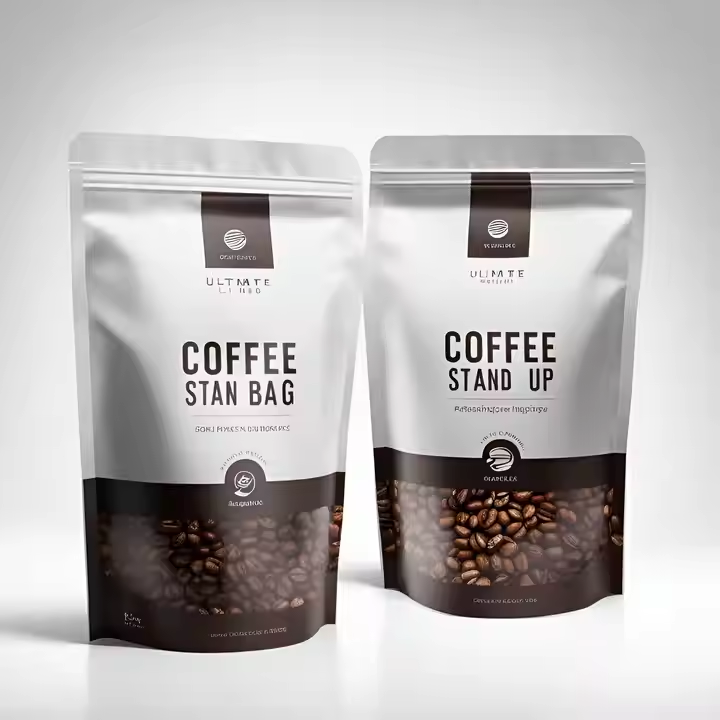
Vacuum-Sealed Bags coffee packaging
Vacuum-sealed bags use multi-layer composite films (such as PET/ aluminum foil/PE). By removing air to form a negative pressure environment, the oxygen content is controlled at an extremely low level, thus inhibiting oxidation reactions and enzyme activity and retaining the aroma and flavor of coffee to the greatest extent. The high-barrier materials of this kind of packaging can effectively resist moisture and odors, making it suitable for coffee powder or instant coffee products with strict requirements for shelf life. Compared with ordinary packaging, it can extend the freshness preservation time by 30%-50%, especially suitable for bulk storage and long-distance transportation.


Flat bottom pouches coffee packaging
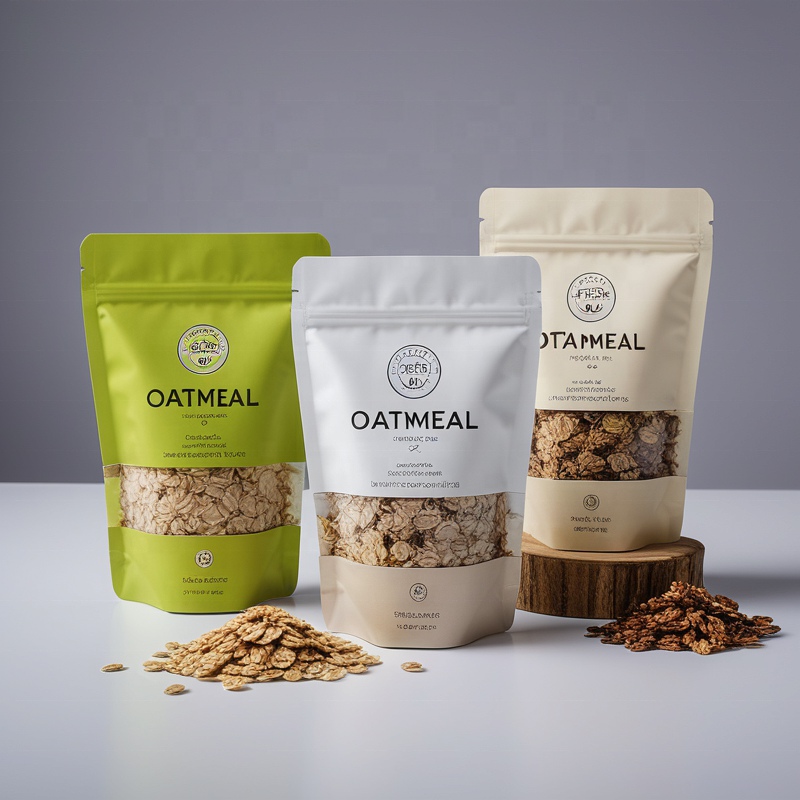
As a functional evolution of traditional flexible packaging, Flat Bottom Pouches feature a rigid, flat base that enables independent standing on shelves, enhancing visual appeal and retail presence. The flat-bottom design not only ensures stable upright positioning for neat, eye-catching displays but also allows for easy stacking, optimizing shelf space and logistics efficiency for retailers.
These pouches often incorporate resealable closures—such as zippers or tin seals—that maintain airtightness after opening, preserving the freshness of coffee by blocking moisture and oxygen. This design caters to consumer needs for convenience and long-term use, making it ideal for both whole beans and ground coffee that require repeated access. With a balance of structural stability, space-saving stackability, and practical resealability, Flat Bottom Pouches are a preferred choice for brands prioritizing retail display impact and efficient storage without compromising on product protection.
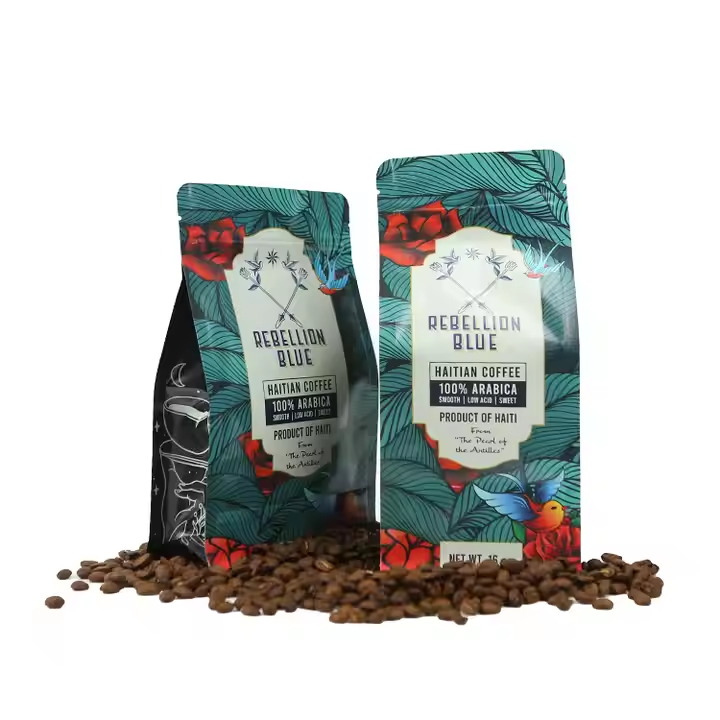

Quad Seal Bags Coffee packaging
Quad seal bags are characterized by a simple rectangular appearance. The edge sealing is realized through ultrasonic welding technology. The weld seam is fine and has high strength, combining both beauty and durability. Some designs add tear notches or serrated lines to improve the convenience for consumers to open. This kind of packaging mostly uses environmentally friendly composite materials (such as kraft paper bonded with film), which can provide a rustic or modern texture while ensuring moisture-proof and oxygen-proof functions. It is suitable for brands pursuing a minimalist style, and its production cost is lower than that of metal or glass containers, with outstanding cost performance.
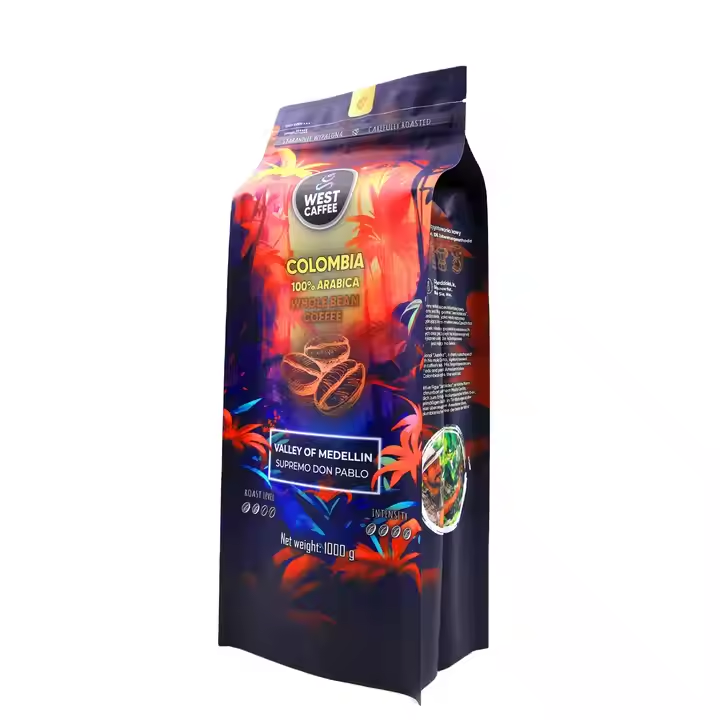

Side Gusset Pouches coffee packaging
Side gusset pouches adopt an accordion-folded structure. When empty, they can be completely flattened, with a thickness of only a few millimeters, saving more than 70% of storage space, especially suitable for e-commerce retail or multi-specification product combinations. The inner layer often uses high-barrier materials (such as EVOH), which can effectively resist the influence of a humid environment on coffee and perform excellently in tropical or high-humidity regions. The expanded space on both sides of the bag body can hold more contents and supports double-sided printing, taking into account both practicality and information display needs.


Aluminum Cans for coffee packaging
Aluminum cans are mainly made of aluminum alloy or tin-plated metal and have excellent physical protection performance: they can block more than 99% of ultraviolet rays. With the sealing process, they form a high-airtight environment, effectively delaying the oxidation of coffee beans and maintaining the freshness of coffee for up to 12 months at most. The can body structure is durable, supports multiple repeated uses, and the materials can be completely recycled. Its rigid shell provides more possibilities for design. From a simple smooth surface to embossed textures, they can all enhance the high-end texture of the product, especially suitable for coffee products that require long-term storage or are positioned in the mid-to-high-end market.


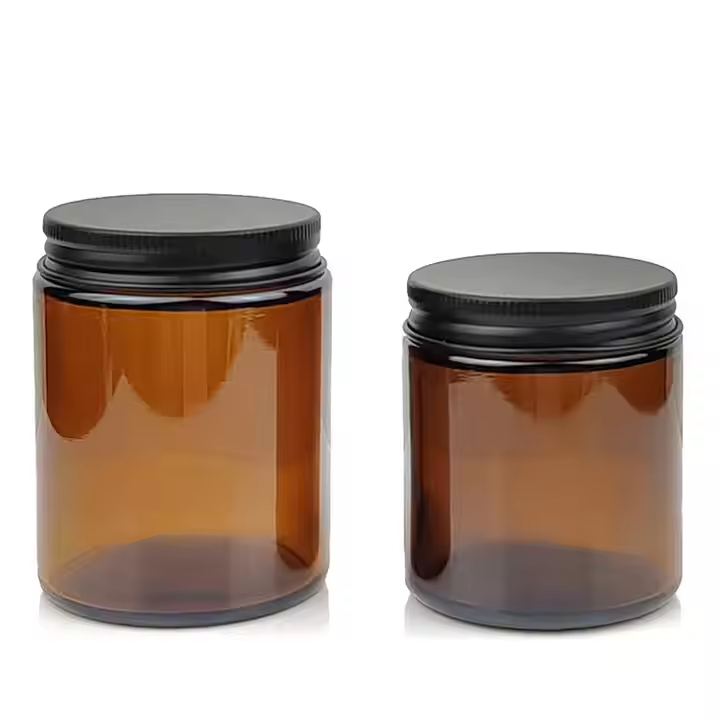
Glass Jars coffee packaging
Glass jars are characterized by high light transmittance, allowing consumers to directly observe the shape and color of coffee beans, enhancing product trust. To take into account the need for light protection, some designs use dark glass (such as amber), which can filter harmful ultraviolet rays while retaining visual transparency. Although glass is fragile, by optimizing the cushioning packaging (such as air column bags, foam linings), the transportation loss can be greatly reduced. Its natural environmental protection and chemical residue-free characteristics make it the preferred packaging for coffee for home use or high-end gifts.

Pods/Capsules Coffee packaging
Coffee pods/capsules are single-serving quantitative packaging, precisely controlling the powder amount (usually 7-10 grams), matching fully automatic coffee machines to achieve convenient extraction and avoiding waste and cumbersome operation. Their sealing structure ensures the stable flavor of each cup of coffee, and the richness of oil is higher than that of traditional methods such as hand-brewing. In recent years, environmentally friendly capsules have gradually become popular, using degradable bioplastics , reducing the environmental burden while maintaining convenience, and being suitable for the instant drinking needs in fast-paced life scenarios.


| Packaging Type | Description | Advantages | Most Suitable Situations |
| Stand-Up Pouches | Flexible bags with a flat bottom that can stand upright | Cost-effective, large brand display area, resealable zipper, one-way valve for maintaining freshness | Specialty coffee, retail display |
| Aluminum Cans | Rigid containers made of aluminum or tinplate | Can block 99% of ultraviolet rays, durable, reusable, supports complex designs | Long-term storage, high-end brands |
| Glass Jars | Transparent and recyclable glass containers | Completely recyclable, allows visual inspection, has a high-end aesthetic. Fragile, less sustainable in transportation | Home use, environmentally conscious brands |
| Vacuum-Sealed Bags | Bags that remove air to form a vacuum | Prevents oxidation, extends shelf life, uses high-barrier materials like aluminum foil | Long shelf life, bulk storage |
| Flat Bottom Bags | Bags with a flat bottom that can stand independently | Good display effect on the shelf, stackable, has resealable options such as zippers or tin seals | Retail display, efficient storage |
| Quad Seal Bags | Rectangular bags with four sealed edges | Regular structure, high-end appearance, can bear a heavier filling amount, can stand upright. Higher cost | High-end coffee, larger filling amount |
| Side Gusset Pouches | Bags that can be folded flat when empty and expand when filled | Versatile, easy to store and display, usually equipped with tin seals for resealing | Common retail uses, flexible use |
| Pods/Capsules | Pre-measured single-serving coffee in sealed containers | Convenient, consistent taste, not easy to mess up. Higher cost, has environmental problems | Single-serving brewing, pursuing convenience |
Additional Notes on Packaging Types
Stand-up pouches are widely popular due to their balance between economy and functionality. They are often used for specialty coffee and also use methods like nitrogen filling to maintain freshness.
Aluminum cans have a long history in coffee storage. Research shows that they can maintain more than 95% of coffee freshness within one month.
As pointed out in the provided article, although glass jars are recyclable, due to the need for packaging materials like bubble wrap during transportation, they may not be the most sustainable choice.
The choice of packaging depends on various factors, such as the type of coffee, the target market, sustainable development goals, and the budget. For example, coffee pods/capsules are suitable for consumers who pursue convenience.
The Necessity of Customizing Coffee Packaging
Customizing coffee packaging is very necessary for the following reasons. It is not only to meet functional requirements but also to enhance the brand image and consumer engagement:
Brand Differentiation: In a highly competitive market, unique packaging helps brands stand out. Customized designs, colors, and logos can leave a deep impression on consumers.
Consumer Attraction: Consumers value packaging that matches their preferences, such as sustainability or convenience.
Functional Requirements: Different coffee products require specific functions. For example, whole coffee beans are suitable for packaging with a one-way valve, while instant coffee may need single-serving stick packaging. Customization can ensure that these needs are met.
Marketing and Brand Storytelling: Packaging is a platform for showcasing the brand story, including the origin of coffee, roasting degree, flavor characteristics, or certification information. This helps to build trust and attract consumers.
Regulatory Compliance: Customized packaging can ensure compliance with labeling regulations, such as ingredient lists or nutritional information, while maintaining safety standards.
Sustainable Development Goals: Customization allows brands to use environmentally friendly materials and reduce their carbon footprint. For example, packaging accounts for about 3% of the carbon footprint of the coffee supply chain, and sustainable choices like recyclable bags can minimize it.
Without customization, brands may lose their uniqueness in the market, miss the opportunity to establish connections with consumers, and fail to meet specific product or regulatory requirements. Customized packaging is a strategic investment that can both improve product quality and enhance brand loyalty.

How to Customize Your Coffee Packaging?
Customizing coffee packaging requires a systematic process to ensure that it conforms to your brand image, meets functional requirements, and attracts consumers. The following is a step-by-step guide:
Define Your Brand Image:
Determine the appearance, feel, and information that your packaging should convey. For example, a minimalist design may attract modern consumers, while bright colors are suitable for young brands.
Consider the preferences of the target audience, such as the pursuit of sustainability or high-end aesthetics.
Select the Right Materials:
Choose materials according to sustainability, budget, and protection requirements. Options include kraft paper, rice paper, aluminum foil, polyethylene terephthalate (PET), or compostable films.
If sustainability is a core value, prioritize environmentally friendly materials.
Try to avoid using plastics as much as possible because they are less sustainable and can cause harm to the environment, as emphasized in the provided article.

Choose the Packaging Type:
Select the packaging form according to the type of coffee and market demand. For example, stand-up pouches are suitable for retail display, while coffee pods/capsules are suitable for single-serving brewing. When making a decision, consider the shelf life, display requirements, and consumer convenience.
Design the Packaging:
Collaborate with a designer to create visual effects that include your logo, product details, and certification information (such as organic certification, fair trade certification).
Include important information such as roasting degree, flavor characteristics, origin, and brewing suggestions to attract consumers.
As suggested in the provided article, choose a minimalist design to reduce ink waste while ensuring readability.
Incorporate Functional Features:
Add functional features such as a one-way valve for maintaining freshness, a resealable zipper for convenience, or an easy-to-open top for ease of use. Ensure that these functions are compatible with the selected materials and packaging type.
Collaborate with Sustainable Suppliers:
Collaborate with a reputable packaging supplier that specializes in customized environmental solutions.
Enterprises like Green Packaging Company have expertise in sustainable materials, design, and production, and can help you create packaging that balances functionality and environmental responsibility.
Contact Green Packaging Company to discuss your specific needs, explore material options, and develop customized solutions. They can also provide insights on reducing the carbon footprint and meeting sustainability certifications.