Introduction to Pie food Boxes
Pie box serve as essential packaging solutions for bakeries, restaurants, and food retailers, providing both functional protection and aesthetic appeal for delicate pastry products. These specialized containers have evolved from simple cardboard holders to sophisticated packaging systems that enhance product presentation while ensuring food safety and freshness. Modern pie boxes combine practical considerations like structural integrity and moisture resistance with branding opportunities through customizable designs.
The pie box market has grown significantly in recent years, driven by increasing demand for artisanal baked goods, online food delivery services, and eco-friendly packaging options. Today’s manufacturers offer an extensive range of pie box solutions, from standard white corrugated options to premium rigid boxes with specialty finishes. Understanding the full spectrum of pie box characteristics—from basic materials to advanced customization options—enables businesses to select packaging that perfectly aligns with their products, brand identity, and operational requirements.

Common Applications of Pie packaging Boxes
| Application Sector | Key Uses | Design Features |
| Commercial Bakeries & Pie Shops | Primary retail packaging for individual pie sales | Branded printing, window cutouts for visibility, counter display-friendly |
| Restaurants & Cafés | Takeout and delivery packaging for dessert portions | Grease-resistant, structural stability, optional sauce/utensil compartments |
| Grocery Stores & Supermarkets | Pre-packaged pie containment | Extended shelf-life features, nutritional labeling panels |
| Special Events & Catering | Larger boxes for whole pies (9″–12″ diameters) | Premium finishes, decorative ribbons/foil stamping for weddings/corporate events |
| Farmer’s Markets & Artisan Producers | Rustic, eco-friendly packaging | Kraft paper/recycled materials, minimalist branding for handmade emphasis |
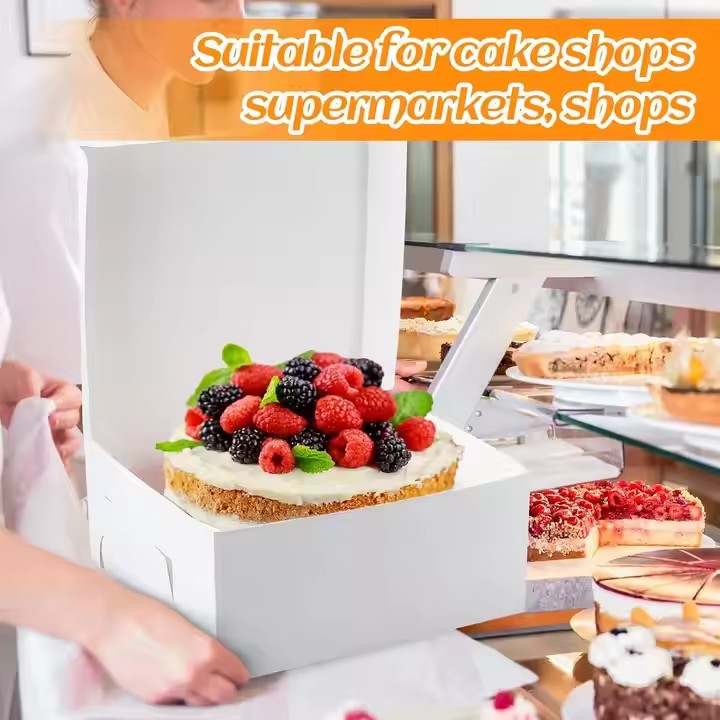
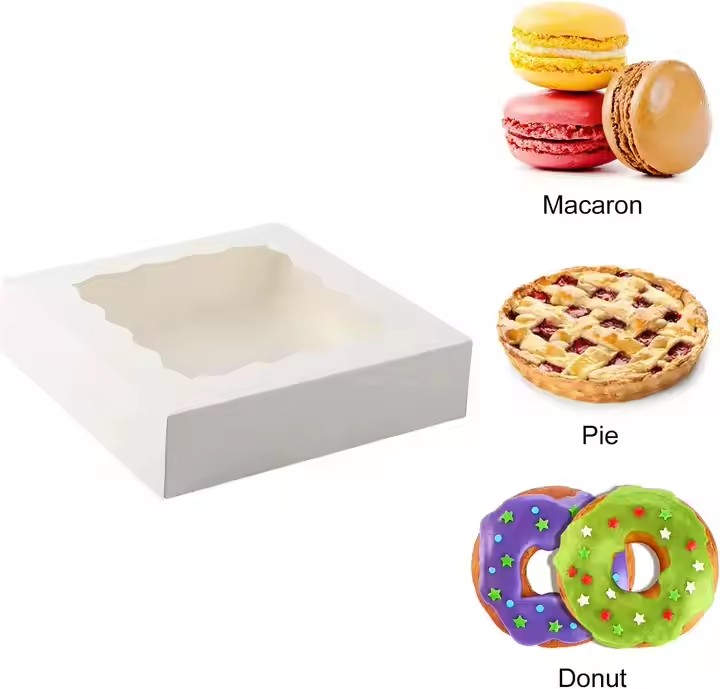
Box Styles and Structural Designs
Modern pie boxes are available in numerous configurations, each offering distinct functional benefits:
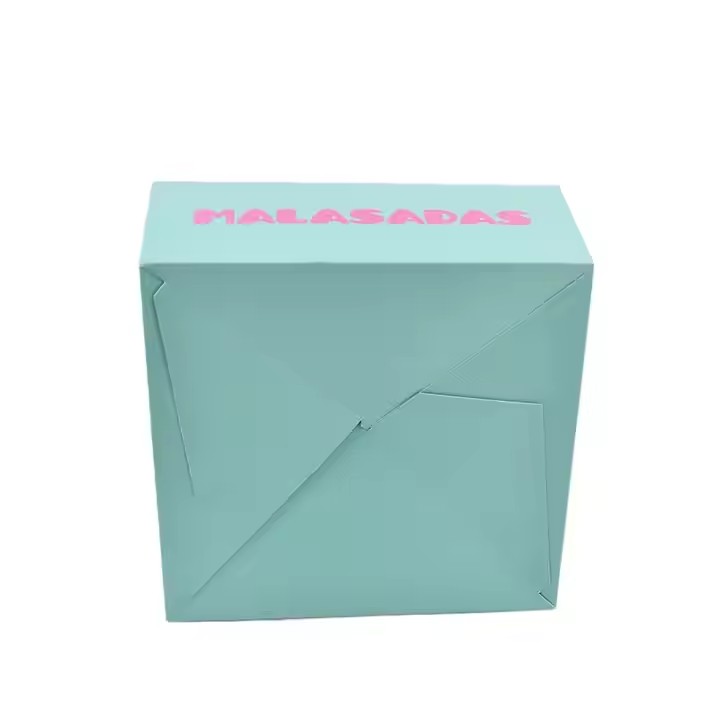
**Classic Tuck-Top and auto lock **
– Traditional two-piece design (base and separate lid)
– Easy assembly and cost-effective
– Suitable for standard round pies (6″ to 10″ diameters)
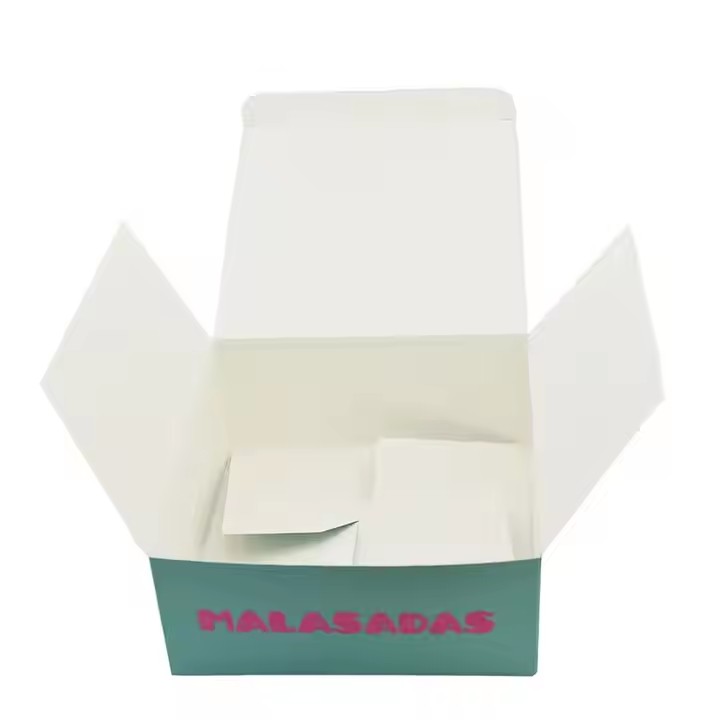
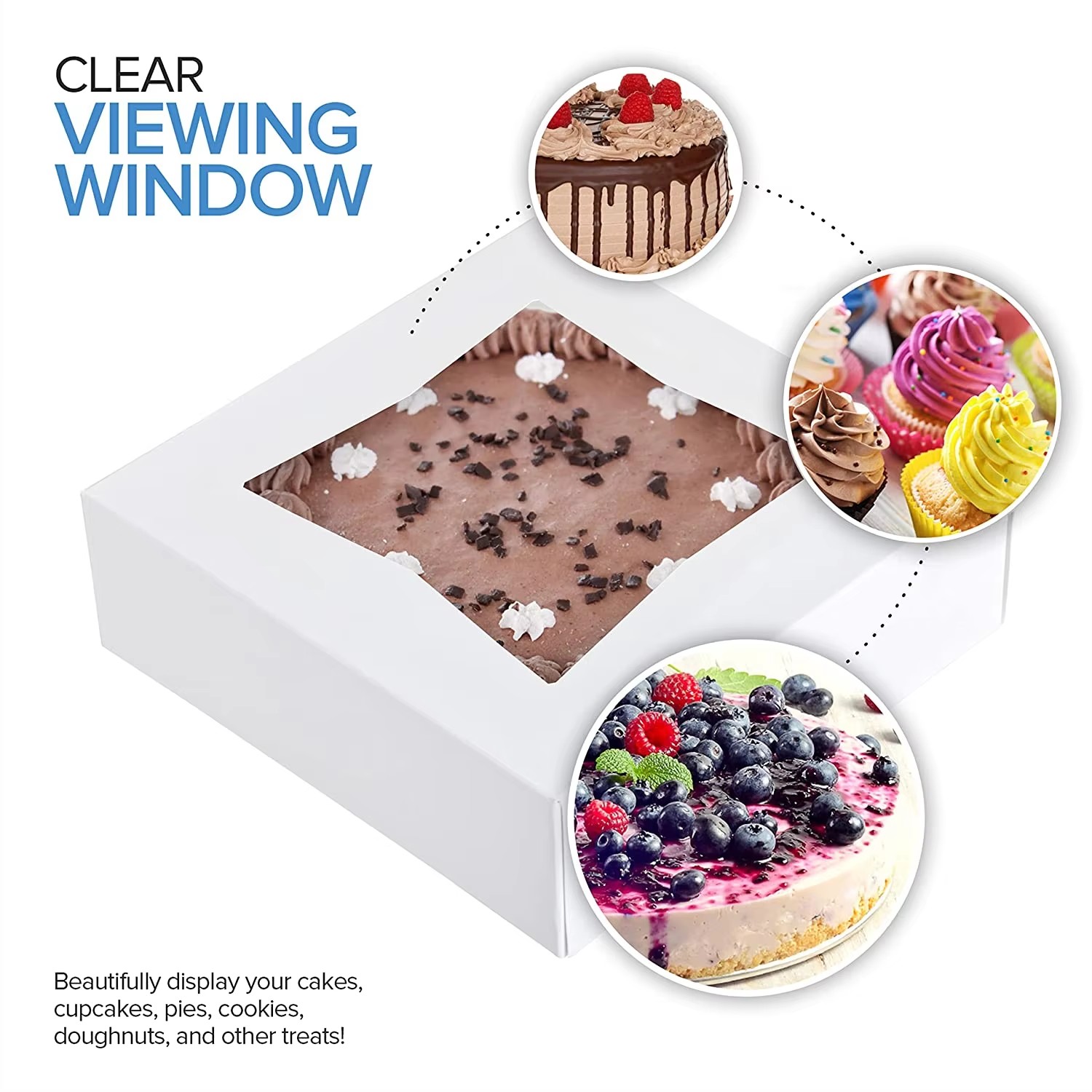
**Windowed Display Boxes and pops up**
– Transparent PET film panel for product visibility
– Maintains freshness while showcasing contents
– Popular for gourmet and specialty pies
-pops up easy to assemble.

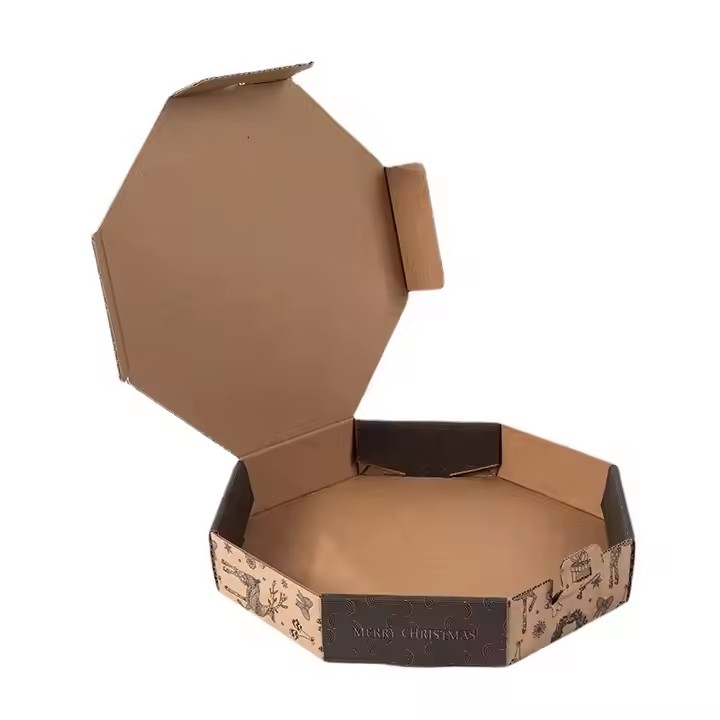
**Hexagonal and Octagonal Boxes**
– Unique geometric shapes for premium positioning
– Enhanced structural rigidity
– Distinctive shelf presence
**Collapsible box Carriers**
– Space-efficient flat-pack design
– Quick assembly without glue or tape
– Ideal for delivery services and pop-up shops
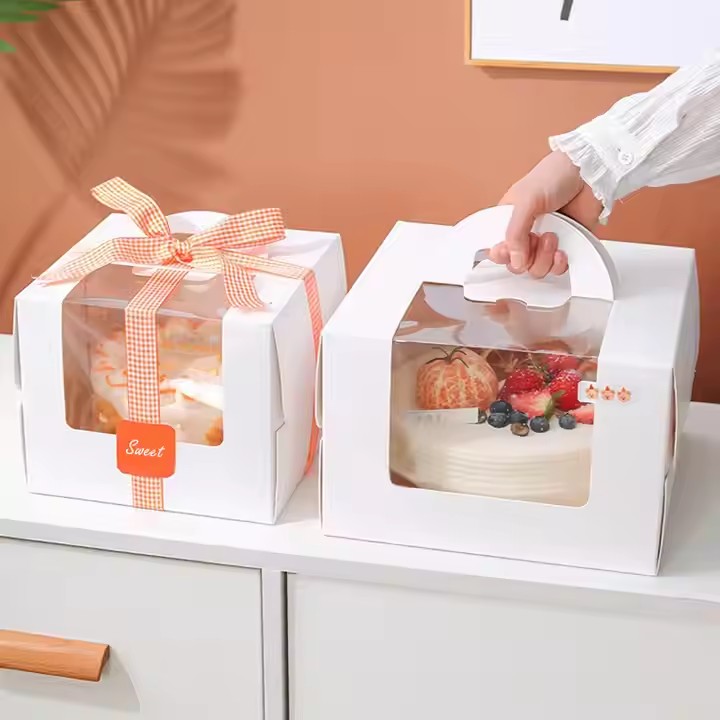
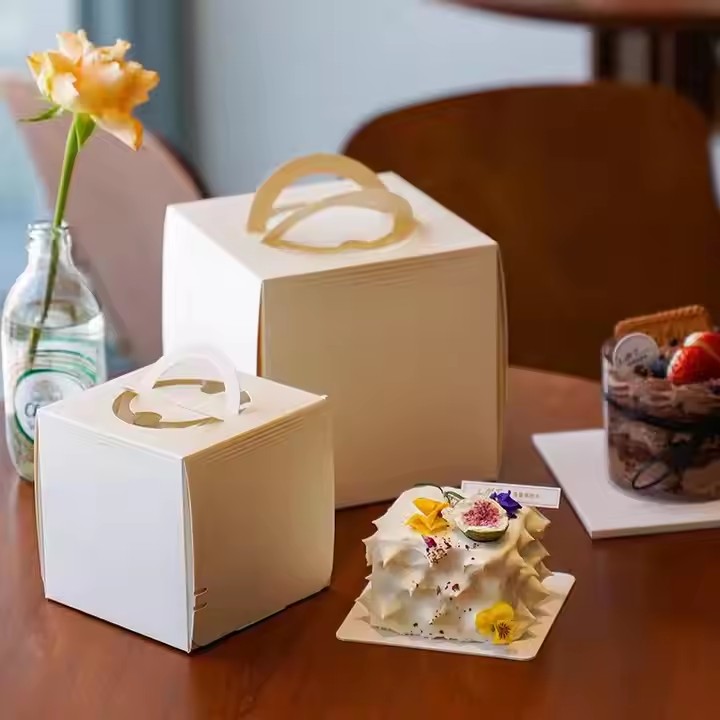
**Divided Multi-Compartment Boxes**
– Sections for pie slices and accompaniments
– Prevents flavor transfer between items
– Common for sampler assortments

**Eco-Friendly Folding Boxes for pie **
– Made from recycled kraft or sugarcane fiber
– Minimalist designs with soy-based inks
– Biodegradable and compostable options
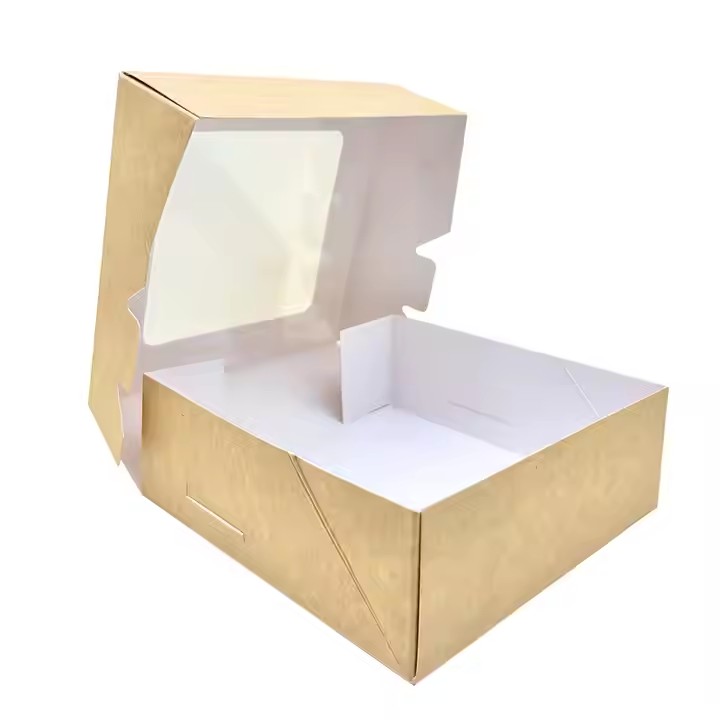
The choice of box style depends on multiple factors including pie size, transportation needs, and desired customer unboxing experience. For instance, bakeries focusing on wholesale distribution might prefer robust corrugated boxes, while boutique pie shops often select custom-shaped containers that reflect their artisanal brand image.
Material Options and Technical Specifications
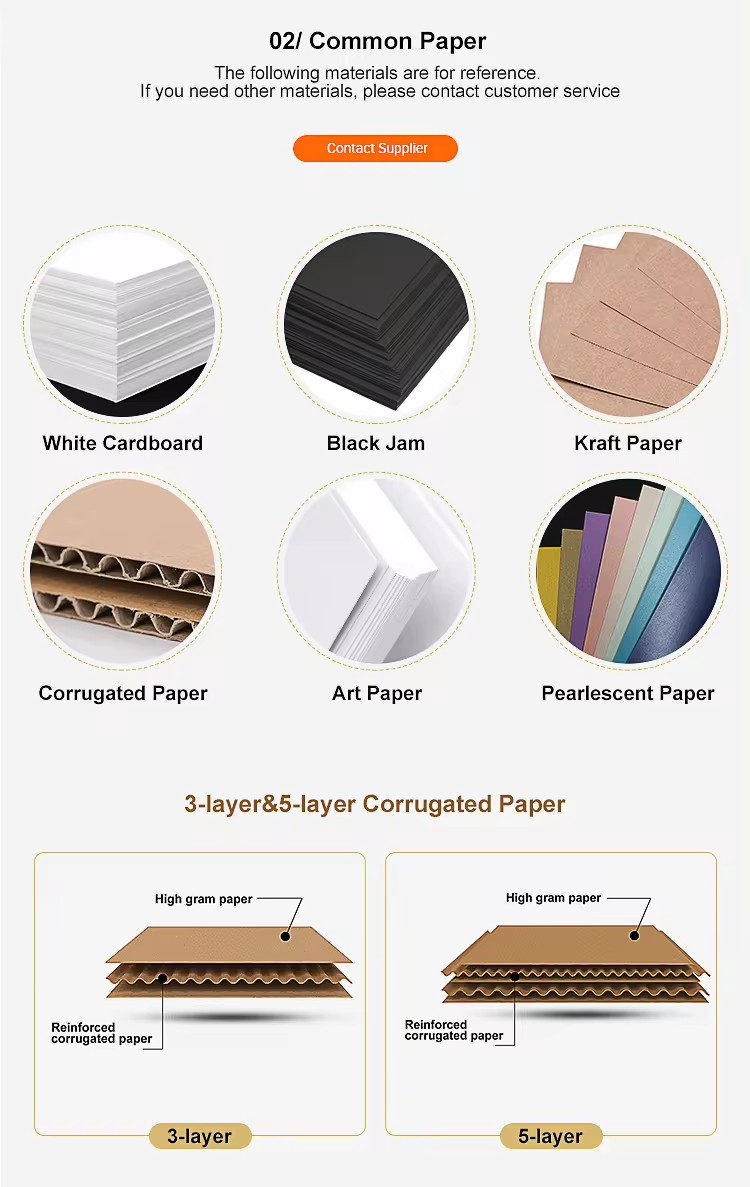
| Material Type | Key Characteristics | Common Uses | Thickness/Properties |
| Corrugated Cardboard | Cost-effective, widely available, sturdy | Standard pie packaging, bulk shipments | 2mm–4mm (B-flute/E-flute options) |
| Solid Bleached Sulfate (SBS) Board | Premium smooth finish, high print quality, food-safe coatings | High-end bakeries, branded retail packaging | 18pt–28pt |
| Recycled Kraft Paper | Eco-friendly, rustic appearance, biodegradable | Artisan bakeries, farmer’s markets | May require moisture barrier |
| Grease-Resistant Coated Board | PE or PLA lamination, prevents oil seepage | Buttery or oily crust pies, takeaway packaging | Varies by coating type |
| Molded Fiber | Sustainable, shock-absorbent, compostable | Premium frozen pies, eco-conscious brands | Dense, protective structure |
| PET Plastic food grade | Crystal-clear visibility, reusable, moisture-proof | High-end displays, reusable pie containers | Transparent, durable |
Material Selection Considerations:
Eco-conscious brands → Uncoated recycled kraft or molded fiber
Premium branding → Glossy SBS with foil accents
Juicy/wet fillings → Grease-resistant or moisture-barrier materials
Visibility needs → PET plastic domes or window-cut corrugated designs
Surface Treatments and Decorative Enhancements
Pie box surfaces can be enhanced through various finishing techniques that improve both functionality and visual appeal:
Printing Methods
– Offset printing for photorealistic graphics
– Flexography for economical solid colors
– Digital printing for short-run customization
Specialty Finishes
– Aqueous coating for basic protection
– UV coating for high-gloss effects
– Soft-touch lamination for premium feel
Decorative Elements
– Foil stamping (gold, silver, holographic)
– Embossing/debossing for tactile branding
– Spot UV for selective glossy accents
Functional Coatings
– Moisture-resistant barriers
– Grease-resistant treatments
– Antimicrobial additives for extended freshness
These surface treatments can be combined strategically—for instance, a matte aqueous coating with glossy spot UV logo creates sophisticated contrast, while full foil stamping delivers maximum luxury impact. The choice depends on both branding objectives and budget considerations, with complex multi-step finishes commanding higher prices but creating more distinctive packaging.

Additional Components and Functional Accessories
Beyond the basic box structure, numerous add-ons enhance pie packaging functionality:
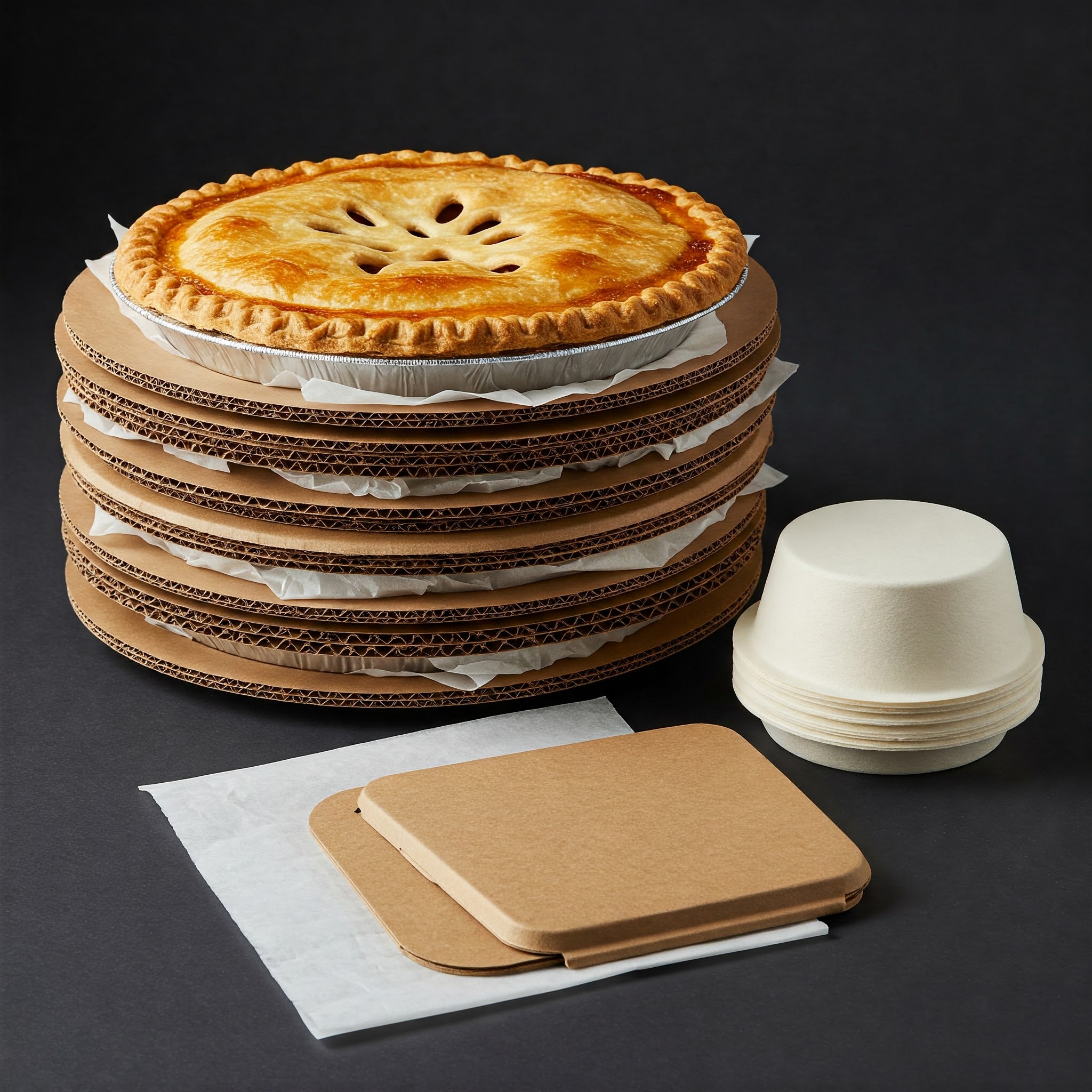
Interior Components
– Corrugated pie platforms for elevation
– Tissue paper liners for absorption
– Waxed paper separators
– Molded pulp inserts for shock absorption

Closure Systems
– Self-locking tabs
– Adhesive seals
– Ribbon tie closures
Functional Enhancements
– Ventilation perforations
– Built-in carrying handles
– Stacking ridges for stability


Custom Manufacturing and Production Considerations
Standard Size Options
Here’s a clear table summarizing the pie box sizes and dimensions (in inches) based on standard measurements
| Pie Boxes Size | Typical Dimensions (L × W × H) | Best For |
| 4″ Pie Boxes | 4 × 4 × 1.5 in | Individual slices , tartlets |
| 5″ Pie Boxes | 5 × 5 × 2 in | Medium individual pies |
| 6″ Pie Boxes | 6 × 6 × 2.5 in | Larger individual or small family pies |
| 7″ Pie Boxes | 7 × 7 × 2.75 in | Medium family-sized pies |
| 8″ Pie Boxes | 8 × 8 × 3 in | Standard large family/party pies |
| 9″ Pie Boxes | 9 × 9 × 3.25 in | Extra-large pies |
| 10″ Pie Boxes | 10 × 10 × 3.5 in | Jumbo/bakery-sized pies |
| 12″ Pie Boxes | 12 x 12 x 3in |
4″ Pie Box
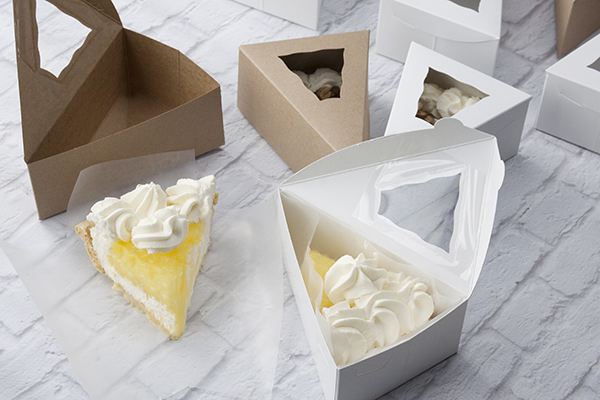

5″ Pie packaging Box

6″ Pie packaging Box
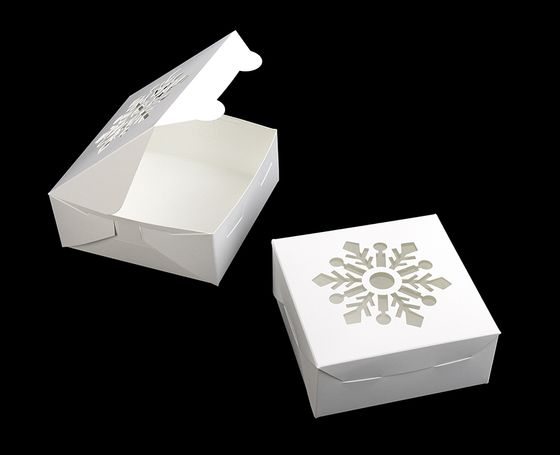
7″ Pie Boxes

8″ Pie packaging Box

9″ Pie food Box

10″ Pie packaging Box

12″ Pie packaging Box


Custom Dimensioning
Custom Dimensioning
– Tailored to specific pie pillow box
– Special depth requirements

Material Customization**
– Hybrid material combinations
– Custom paper weights
– Specialty coatings
Printing Capabilities
– Pantone color matching
Structural Innovations
– Unique folding patterns
– Multi-panel designs

Cost Factors and Production Economics
Several key elements influence pie box pricing structures:
Material Costs
– Paperboard grade and weight
– Specialty coatings
– Lamination requirements
Printing Complexity
– Number of colors
– Special finishes
– Coverage area
Tooling Investments
– Custom die-cutting molds
– Embossing plates
– Foil stamping dies
Order Volume
– Economies of scale
– Minimum order quantities
– Storage implications
**Labor Intensity**
– Hand-applied elements
– Multi-step assembly
– Quality control measures
Tooling costs for free custom designs and sizes.
Manufacturing Timeline and Process Steps
| Production Phase | Timeframe | Key Activities | Quality Control Measures |
| Design Phase | 3days | – Concept development – Structural engineering – Digital prototyping | – 3D model validation |
| Pre-Production | 3 days | – Material sourcing – Tooling fabrication – Color matching | – Material specifications verification |
| Sampling | 3days | – Physical prototype evaluation – Functional testing – Design refinements | – Load testing – Closure mechanism checks |
| Production | 1 week | – Material conversion – Printing and finishing – Assembly | – Thickness verification – Color accuracy checks – Structural integrity tests |
| Shipping | Variable | – Bulk freight options – Expedited services – Inventory management | – Package condition inspection |
Total Lead Time: 2 weeks for custom orders (stock items may ship immediately)


Notes:
Rush services available at premium cost (typically reduces timeline by 30-50%)
Food safety compliance audits conducted throughout production
Minimum order quantities (MOQ 3000pcs) often apply for custom designs.
Quality Issues & Solutions
| Quality Issue | Root Cause | Corrective Action | Preventive Measure |
| Box warping | High humidity storage | Replace with moisture-resistant board (85%RH rating) | Pre-shipment climate testing |
| Print fading | Low-quality inks | Upgrade to UV-cured inks + laminate overlay | Implement ISO 2846 color standards |
| Magnet failure | Improper placement | Reinforce with epoxy glue + 2mm EVA padding | Automated magnet positioning system |
| Grease stains | Insufficient barrier | Apply dual-side PE coating (15μm) | Grease-resistance test (ASTM F119-82) |
| Difficult opening | Over-tight tolerance | Adjust flap design (0.5mm gap increase) | 3D kinematic analysis during R&D |