Jewelry paper boxes are more than just packaging—they are an essential part of the presentation and protection of delicate items like rings, necklaces, and earrings. As consumer preferences evolve, these boxes have become a canvas for creativity, branding, and sustainability. In this guide, we’ll explore the functionality, design possibilities, customization options, and market trends surrounding jewelry paper boxes .
Functionality: Protecting Precious Items
Primary Purpose
The primary function of a jewelry paper box is to protect its contents from damage, dust, and environmental factors. These boxes are often made from durable materials such as cardboard wrapped in specialty paper or coated paper, ensuring they can withstand handling during shipping and storage .
The rigid cardboard used is grayboard, which ensures the sturdiness of the box. However, its surface is rough and unsuitable for printing. Therefore, a layer of printable paper is glued onto the grayboard to enhance both the printability and the display effect of the jewelry box.
- Inner Cushioning: Many jewelry boxes include inserts made of foam, velvet or corrugated paper to hold items securely in place. This prevents movement that could lead to scratches or other damage .
- Durability: High-quality jewelry paper boxes are designed to be sturdy yet lightweight, making them ideal for both retail display and gifting purposes .

Ease of Use
Boxes with user-friendly features, such as magnetic closures or sliding mechanisms, enhance the unboxing experience. For instance, drawer-style boxes allow customers to access their jewelry effortlessly, adding a touch of luxury to the process .
Types of Customs Jewelry Boxes
Jewelry paper boxes come in various designs, each tailored to specific functions and usage scenarios. These boxes are typically composed of two main parts: the outer packaging and the inner packaging (or lining). The outer packaging serves as the protective shell, while the inner lining secures and enhances the presentation of the jewelry .
The custom jewelry boxes have three popular styles of outer packaging—magnetic flip clousure boxes, sliding drawer boxes, and two-piece boxes(lid with base box )—and their unique features.
1. Magnetic Flip Clousure Boxes
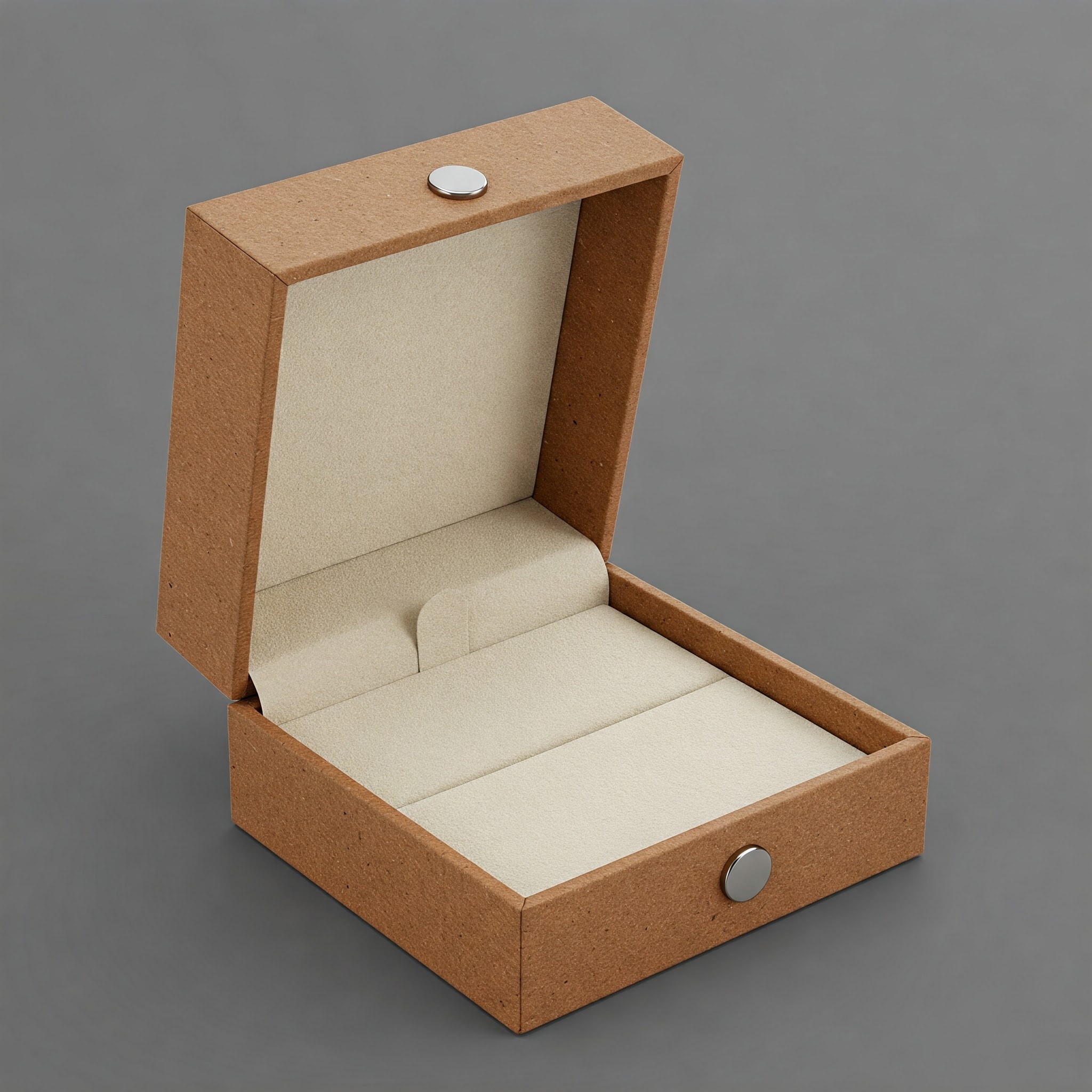
Magnetic flip clousure boxes are designed with built-in magnets that securely hold the lid in place, allowing for easy opening and closing. This style is particularly suited for scenarios where frequent access to the jewelry is required . Magnetic flip clousure boxes are compact and portable, making them suitable for travel or as gift packaging. They are commonly used for small accessories like earrings, pendants, and rings, as well as mid-to-low-end gift sets .
– The flip-top design covers the entire box, providing excellent dust protection, which is ideal for storing small jewelry items prone to oxidation, such as earrings and rings.
– When opened, the jewelry is fully visible, making it perfect for counter displays or gifting purposes like necklaces and bracelets.
– Collapsible magnetic boxes are a newer innovation, designed to be shipped flat and assembled easily. This feature saves significant space during transportation and storage, making them cost-effective for businesses .
2.Sliding Drawer Boxes
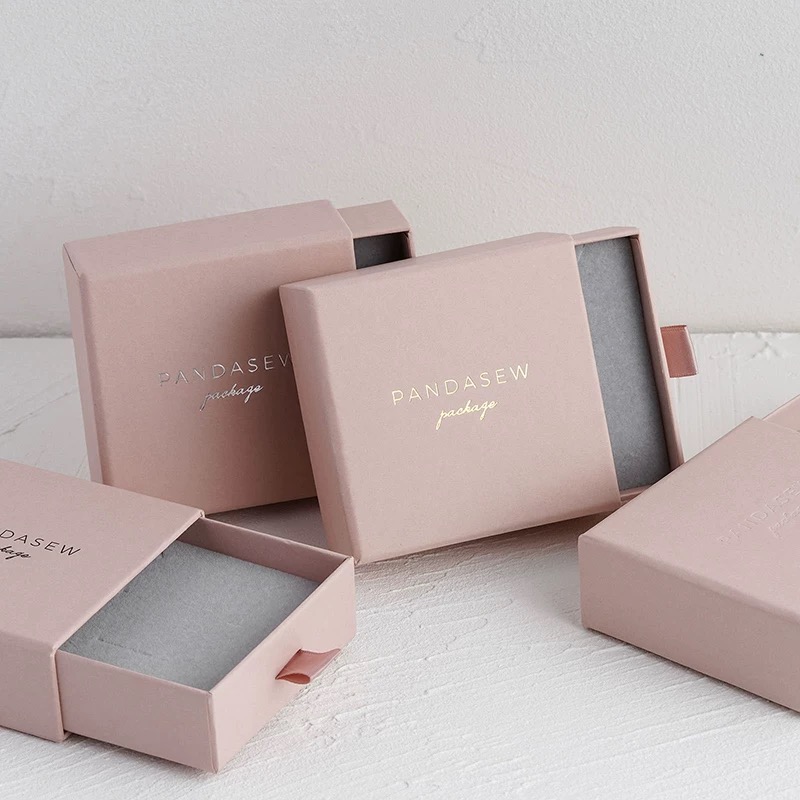
Sliding drawer boxes feature a sleek and elegant design, with a pull-out drawer that allows customers to open the box effortlessly. This style is highly functional and visually appealing, often incorporating internal inserts made of foam or velvet to hold jewelry securely in place . The smooth sliding action enhances the unboxing experience, making it a favorite for branded packaging. These boxes are often used for high-value items such as wedding rings, watches, or collectible jewelry .
– Multi-layered drawers can organize multiple jewelry pieces (e.g., a set of earrings and a necklace), optimizing space usage.
– The foam or velvet lining prevents movement, protecting delicate materials like crystals, jade, or pearls from scratches or damage.
– The closed design completely hides the contents, adding an element of mystery and luxury. This makes it ideal for high-end custom packaging or special occasion gifts .

3.Two-Piece Boxes (Lid with Base Boxes)
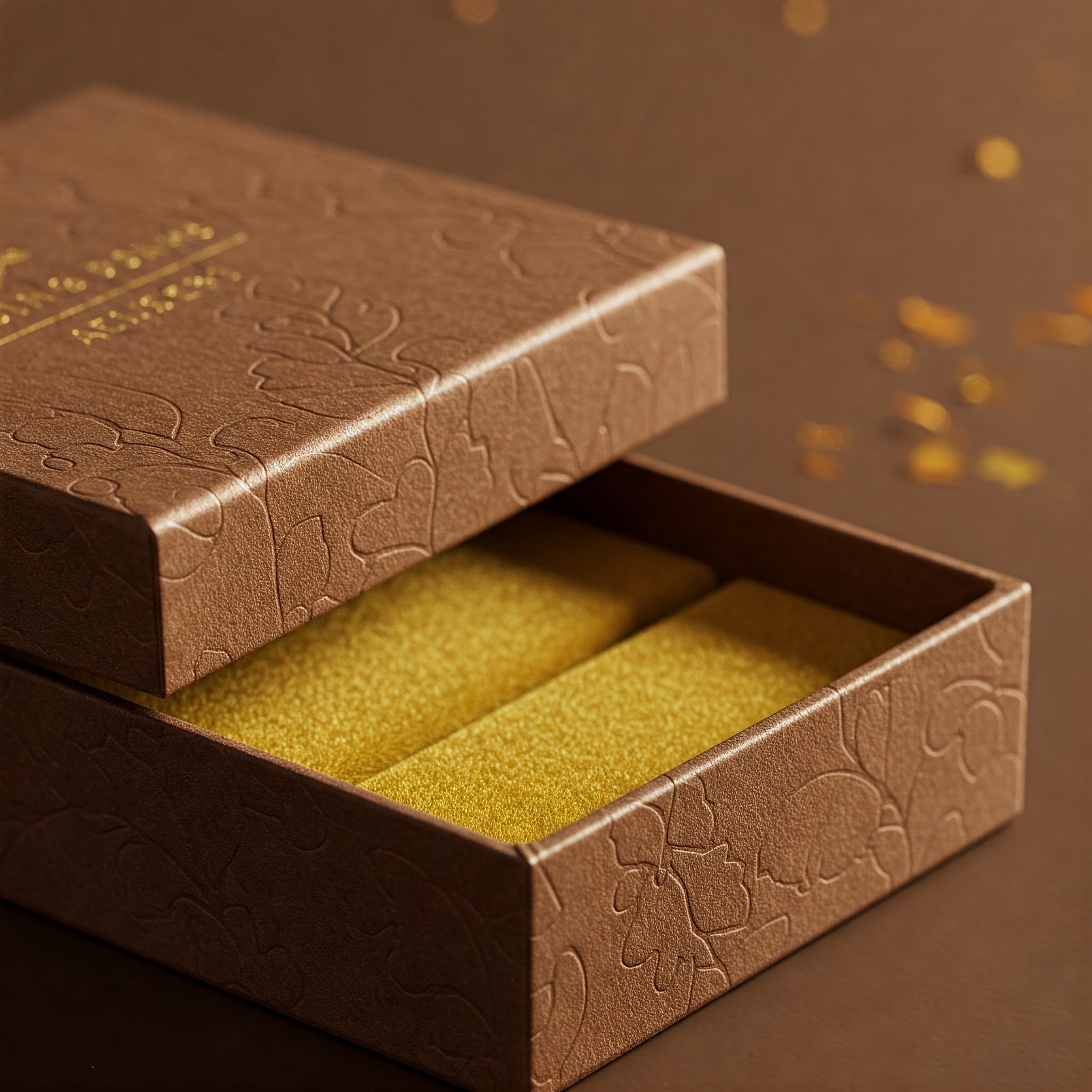
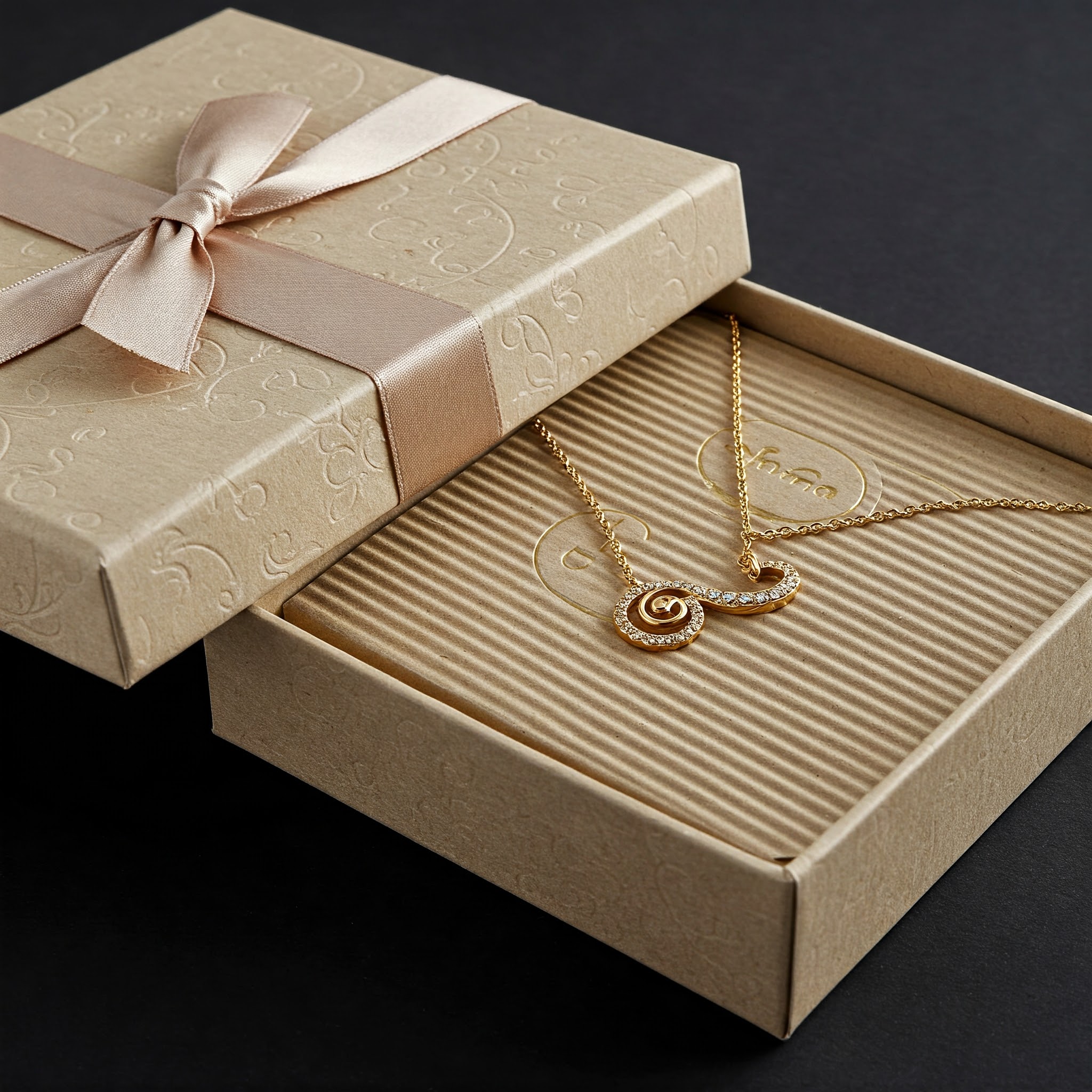
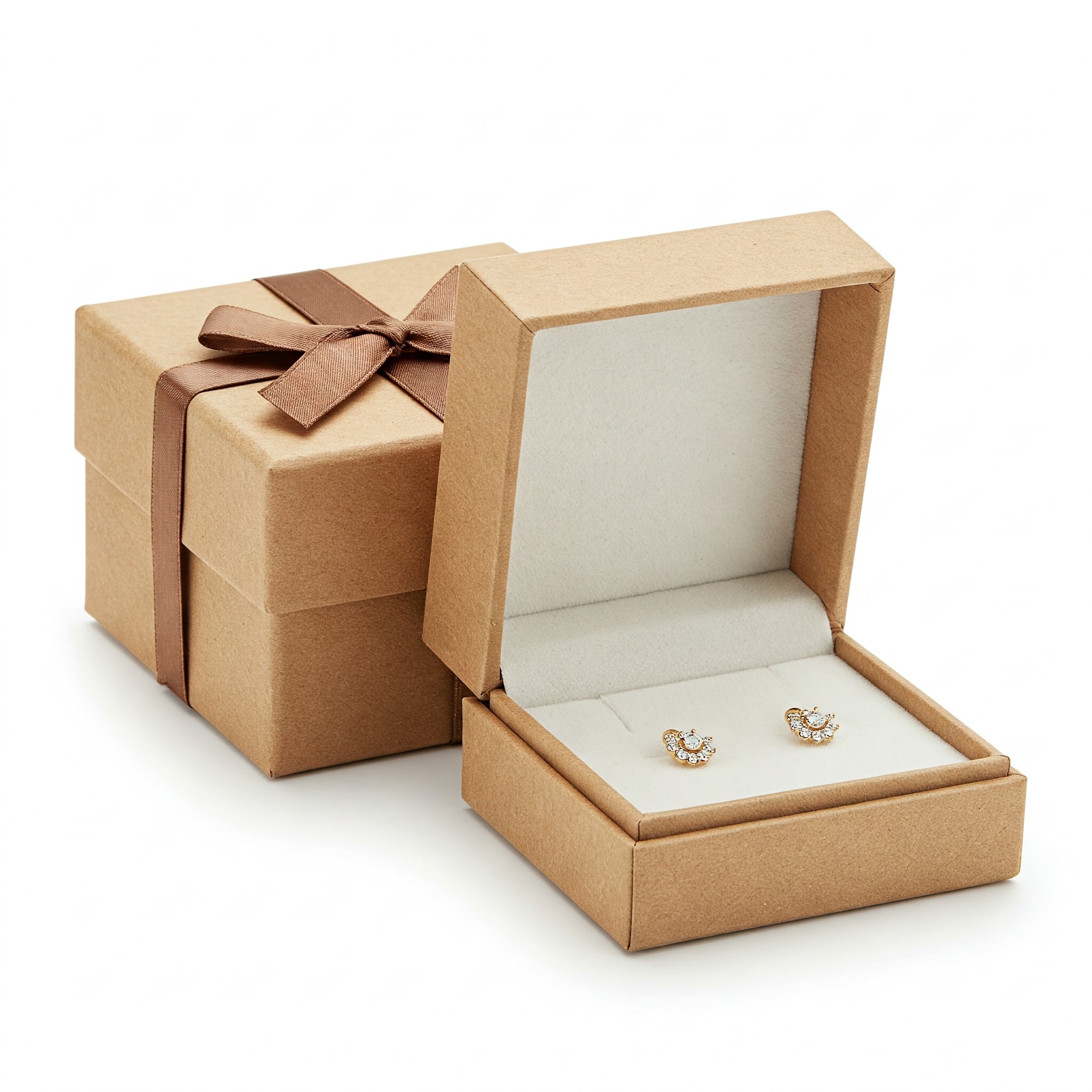
The traditional “lid with base” box consists of a top cover and a bottom base that fit snugly together. This classic design exudes elegance and sophistication, often crafted from premium materials like rigid cardboard lined with velvet or fabric . Lid with base boxes are commonly used for high-end jewelry like diamond rings, luxury jade pieces, or branded collections. Their timeless design makes them perfect for weddings, anniversaries, or other milestone events .
– The robust construction and full enclosure provide excellent dust and moisture resistance, making it ideal for long-term storage of items prone to oxidation, such as silver jewelry.
– The process of lifting the top cover creates a sense of anticipation, making it a popular choice for engagement rings, luxury watches, or special occasion gifts.
– The surface of the box can be customized with techniques like embossing, hot stamping, or textured finishes, allowing brands to incorporate logos or personalized designs .

By aligning the box design with the product’s characteristics and the customer’s expectations, businesses can achieve a balance between functionality and marketing appeal. Whether you’re showcasing delicate earrings, presenting a wedding ring, or preserving a family heirloom, the right jewelry box design can elevate both the product and the brand .
Design: Balancing Aesthetics and Practicality
Material Choices
The choice of material significantly impacts the look and feel of jewelry paper boxes:
- Cardboard Wrapped in Specialty Paper: This combination provides a polished finish while maintaining structural integrity. It’s commonly used for high-end jewelry packaging .
- Kraft Paper: Known for its eco-friendly properties, kraft paper is gaining popularity among brands focusing on sustainability. Its natural texture adds a rustic charm to the packaging .
- Rigid Paperboard: Rigid boxes offer superior strength and a premium appearance, making them ideal for luxury jewelry collections .
Finishes and Embellishments
Design elements such as finishes and embellishments play a crucial role in elevating the visual appeal of jewelry boxes:
- Glossy vs. Matte Finishes: Glossy coatings reflect light, creating a vibrant and eye-catching effect. Matte finishes, on the other hand, exude elegance and subtlety .
- Embossing and Foil Stamping: These techniques add texture and metallic accents, enhancing the perceived value of the package .
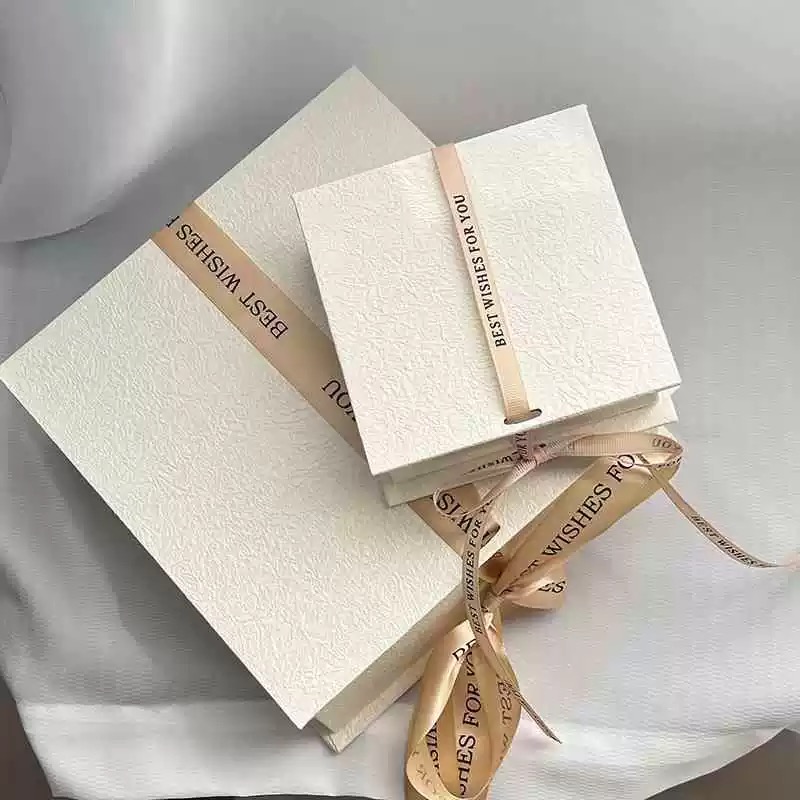
- Ribbons and Ties: Decorative ribbons not only secure the box but also contribute to its aesthetic appeal. For example, white ribbon-wrapped boxes convey a sense of delicacy and sophistication .

Customization: Tailoring to Brand Identity
Customization is where jewelry paper boxes truly shine. Brands can tailor every aspect of the design to align with their identity and values:
Color and Size Options
Jewelry paper boxes come in various colors and sizes to accommodate different types of jewelry. For example, small boxes (e.g., 50x50x25mm) are perfect for rings, while larger ones suit necklaces and bracelets .
Branding Opportunities
Custom printing allows brands to incorporate logos, patterns, or unique designs onto the box. Marble-patterned boxes, for instance, are trendy due to their timeless and luxurious aesthetic .
Sustainability Features
As environmental awareness grows, many brands are adopting eco-friendly practices. Biodegradable coatings, recyclable materials, and reusable designs are becoming increasingly popular .

Market Trends: Innovation and Consumer Preferences
co-Conscious Packaging
Consumers are gravitating toward sustainable packaging solutions. Brands are responding by using materials like recycled paper, kraft paper, and biodegradable coatings .
DIY and Handmade Appeal
The DIY trend has influenced the jewelry box market, with consumers appreciating handmade or customizable boxes. These products often feature unique textures and designs, appealing to those seeking personalized gifts .
Luxury and Minimalism
Minimalist designs with clean lines and neutral tones are in demand, especially among high-end brands. Simplicity is seen as a hallmark of sophistication, allowing the jewelry itself to take center stage .

Advantages and Disadvantages of Jewelry Paper Boxes
Advantages
- Cost-Effective: Compared to plastic or metal alternatives, paper boxes are more affordable without compromising quality .
- Lightweight: Their low weight makes them easy to transport and store, reducing logistics costs .
- Customizable: From finishes to inserts, nearly every aspect of a jewelry paper box can be tailored to meet specific needs .
Disadvantages
- Limited Durability: While sturdy, paper boxes may not provide the same level of long-term protection as rigid materials like wood or metal .
- Environmental Concerns: Traditional coatings and adhesives may not always be eco-friendly, though innovations are addressing this issue .
Elevating Your Jewelry Presentation
Jewelry paper boxes are a vital tool for protecting, presenting, and branding delicate items. By understanding their functionality, design possibilities, customization options, and market trends, businesses can create packaging that not only safeguards their products but also enhances their brand image .
Whether you’re designing a sleek minimalist box or an elaborate luxury package, the key lies in balancing aesthetics, practicality, and sustainability. With the right approach, jewelry paper boxes can transform your product into a memorable and cherished gift .