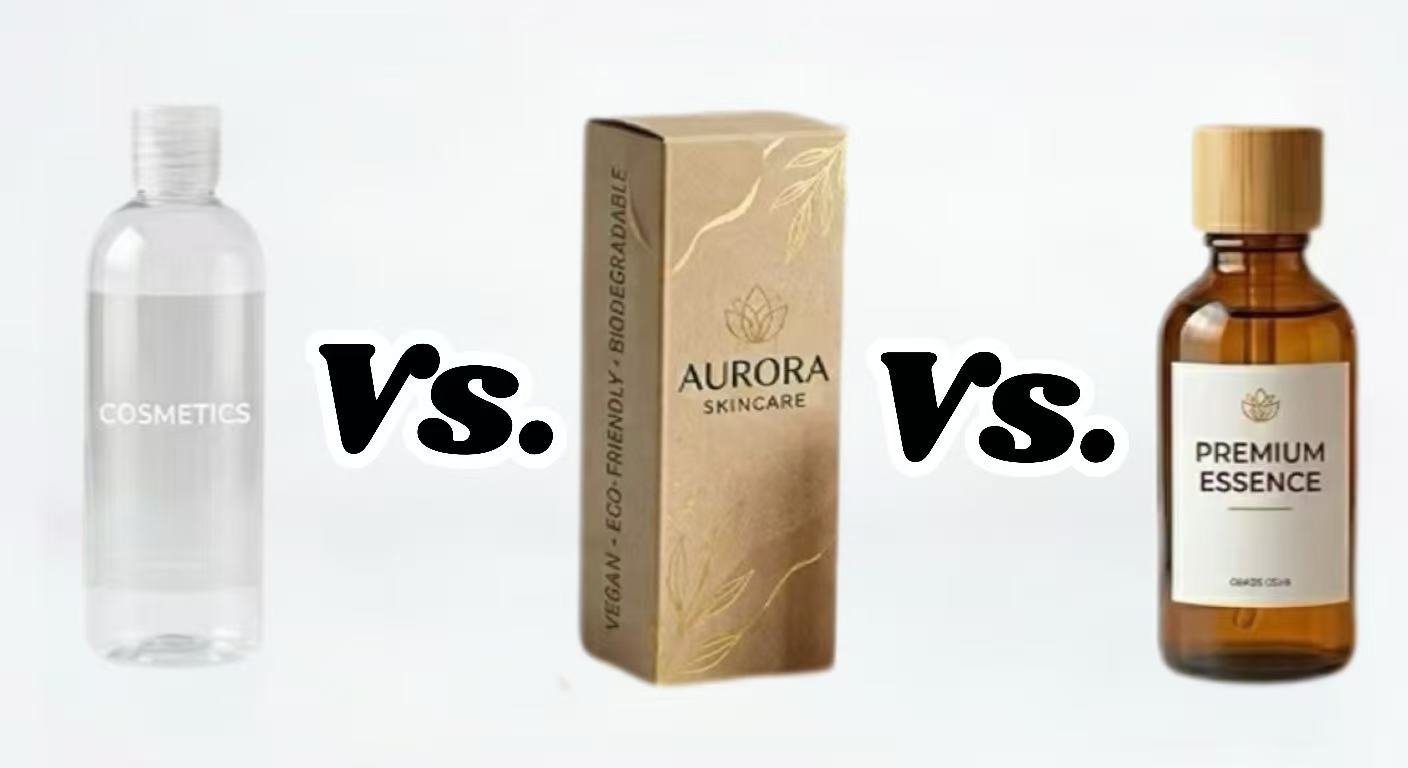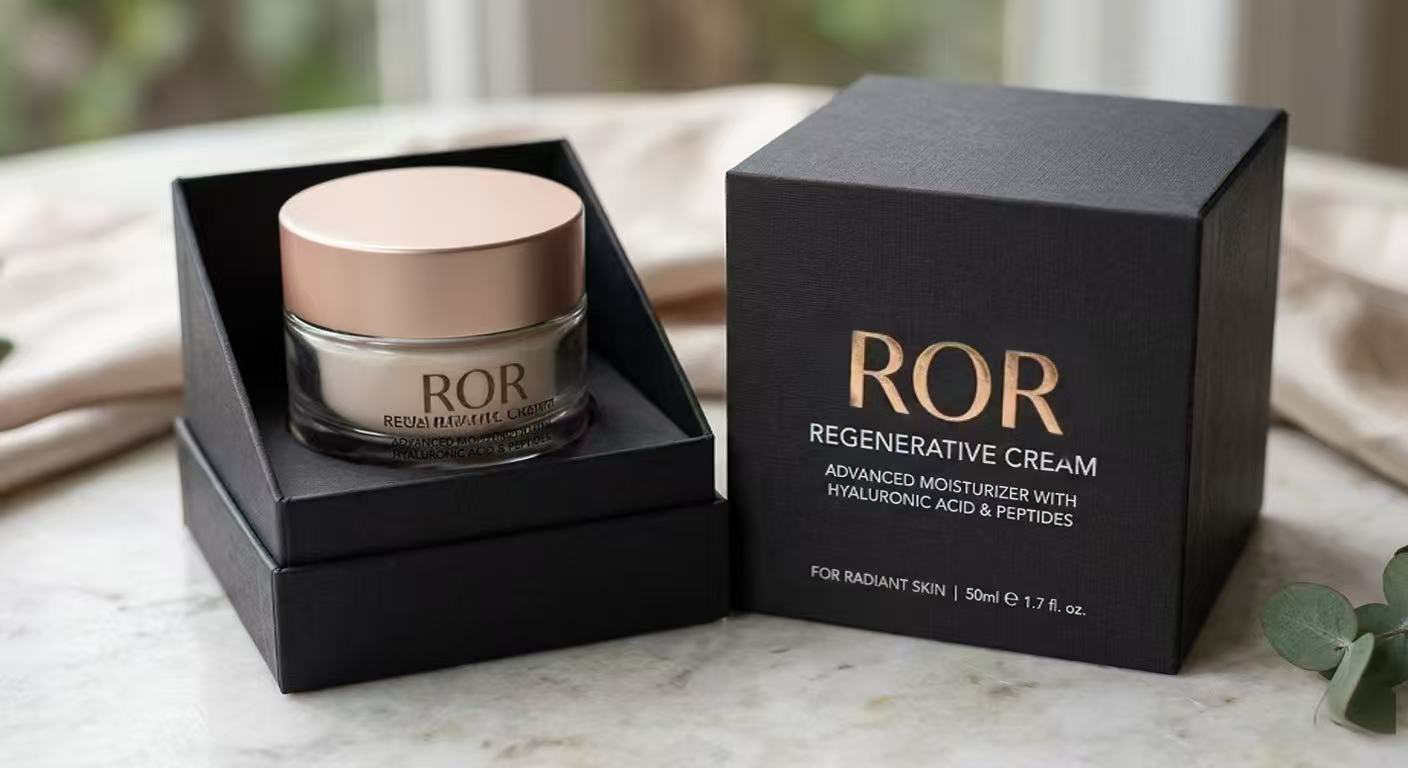
Walk into any beauty aisle—online or in-store—and you will see the same contradiction. Sleek serums wrapped in glossy cartons. Face masks sealed in plastic-lined pouches. Moisturizers nestled inside foam inserts, which sit inside rigid boxes, which are then shipped inside another box. Layer after layer. Most of it destined for landfill within weeks. The beauty and wellness industry has a packaging problem. But unlike five years ago, the excuses are gone. Materials have improved. Regulations have tightened. And consumers have made their choice: they want less waste, but they are not willing to trade away the feeling of luxury. So how do the Beauty & Wellness packaging sustainably without making it feel like a cosmetic generic? Here are three practical shifts that leading brands are adopting right now.

Shift 1: Refillable as the New Standard, Not a Side Option
Refillables used to feel like a compromise. Clunky. Unattractive. An afterthought for the eco-conscious few.
That is no longer true. The new generation of refillable Beauty & Wellness packaging is designed to be the hero, not the alternative. Think magnetic closures, weighted glass outer vessels, and refills that click into place with satisfying precision. The outer package becomes an object the customer wants to keep on their vanity. The refill becomes the only thing they reorder.
What this means for brands: You are no longer selling a product inside a disposable shell. You are selling a system. The initial purchase is higher in packaging cost, but the lifetime value changes completely—lower material costs per unit on repeat orders, fewer returns, and a customer who feels invested in your brand.
What suppliers need to deliver: Consistent refill dimensions, easy-open features without breaking the outer package, and materials that survive multiple uses without degrading.


Shift 2: Mono-Material Without the “Cheap” Look
For years, the easiest way to make beauty packaging feel premium was to mix materials. A paperboard carton with a plastic window. A glass bottle with a metal pump and a plastic cap. A tube with a foil seal and a different plastic for the nozzle.
These combinations are recyclable in theory. In practice, most recycling facilities cannot separate them. They end up as residue.
The shift toward mono-material packaging solves the recyclability problem but creates a design problem: how do you make a single material feel interesting?
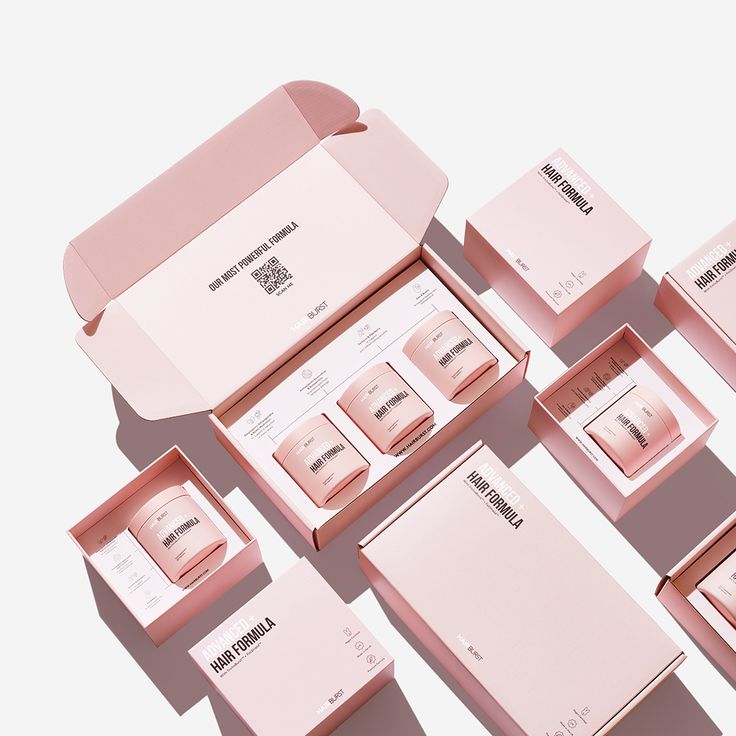
The answer is structure and finish for beauty & wellness packaging. Instead of layering different materials, you change the surface. A matte coating on one panel, a gloss stripe on another. Embossing that catches light differently depending on the angle. A clever fold that creates depth without adding a second substrate.


Real-world example: Several independent skincare brands have switched to all-paper packaging for creams and lotions. The box, the shoulder are all made from paper-based compounds. The only non-paper component is a thin barrier layer (which is now down to less than 5% of total weight, allowing the package to qualify as recyclable in most European systems).

Shift 3: Smarter Sizing That Reduces Shipping Waste
This shift is less glamorous but arguably more impactful. Most beauty products are shipped in boxes that are significantly larger than the product itself. Why? Because standard box sizes are easier to order. Because warehouse staff grab whatever is nearby. Because “that’s how we have always done it.”
The waste happens before the customer even opens the package. Oversized boxes mean more cardboard. More cardboard means more weight. More weight means higher shipping emissions and higher costs. And inside those oversized beauty & wellness packaging boxes, you need more void fill—bubble wrap, air pillows, wrapping paper—which adds even more waste.

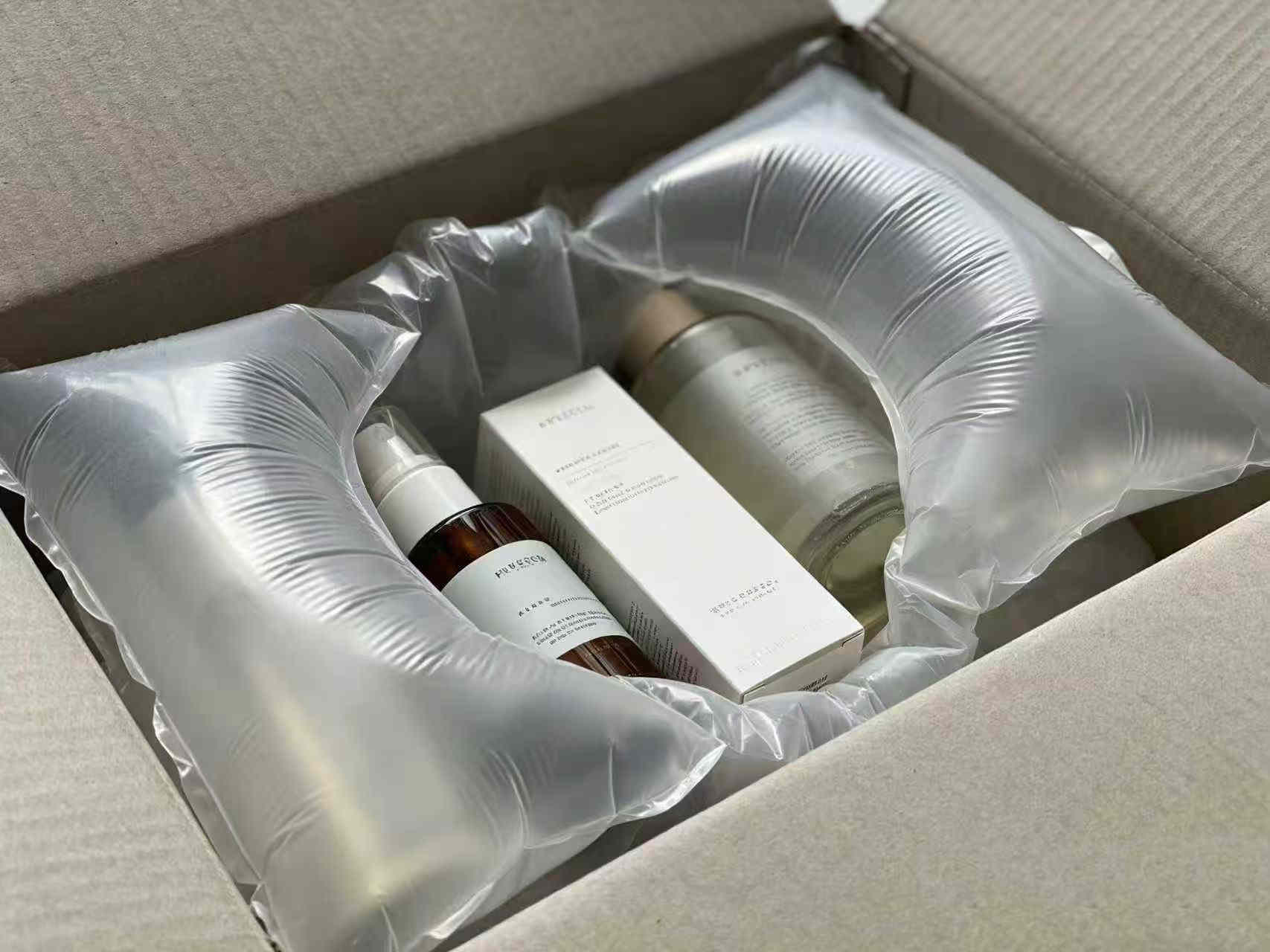
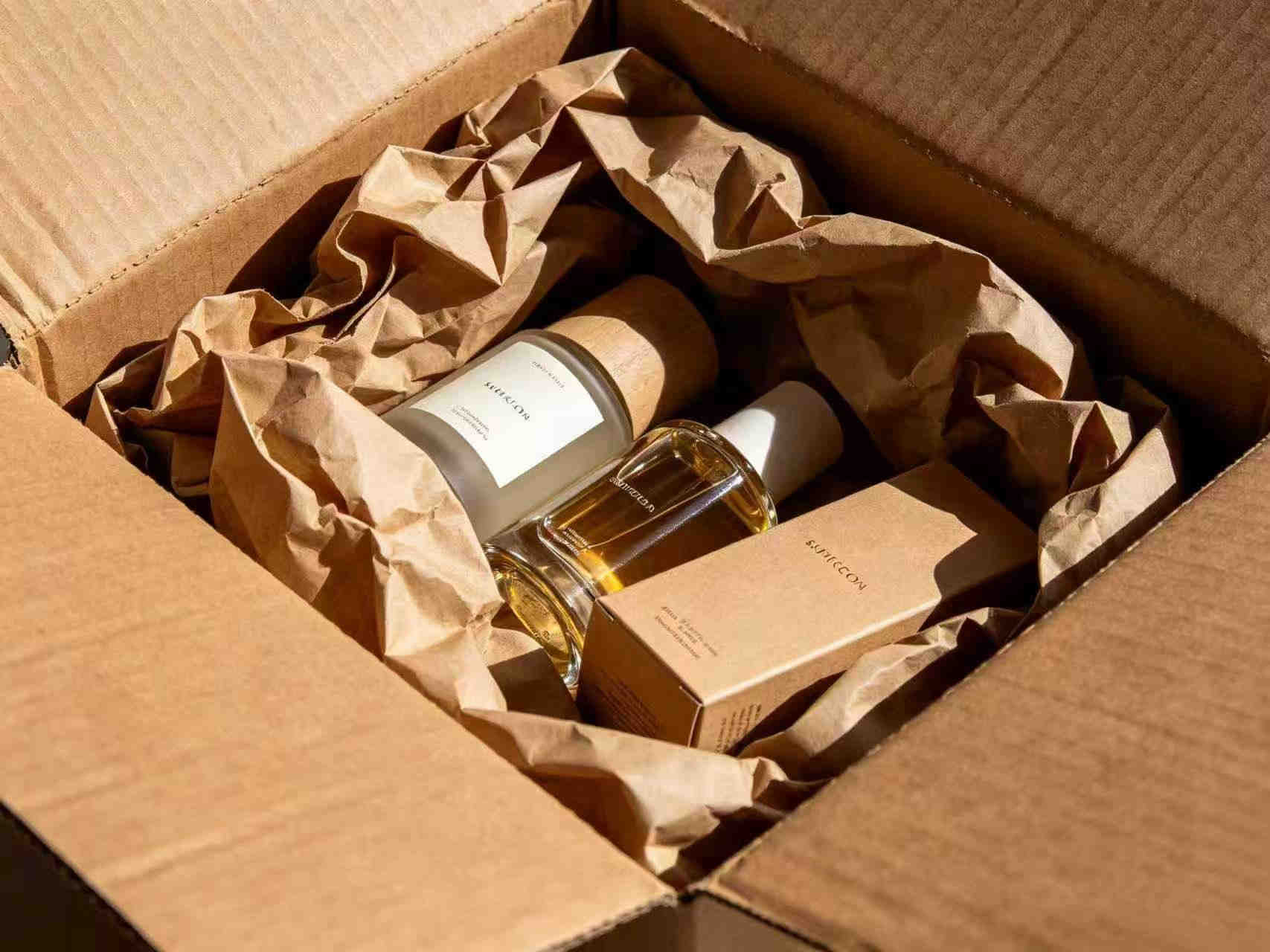
The fix is simple: Audit your product dimensions. Design packaging that fits the product with no more than one inch of total wiggle room. Use custom-sized RSCs (yes, the humble Regular Slotted Container) for shipping outer boxes. Train your packing team to select the correct size every time.
The savings are real: A beauty brand shipping 10,000 units per month reduced its outer box volume by 34% simply by switching to three custom sizes instead of one generic size. Annual shipping emissions dropped by an estimated 12 tons. Cardboard use fell by nearly 40%. And customers noticed—the boxes no longer rattled when shaken.

What These Shifts Have in Common
None of these require exotic materials or unproven technology. Refillable systems have existed for decades. Mono-material beauty & wellness packaging is achievable with current tooling. Smarter sizing just requires attention to detail.
What they do require is a willingness to rethink what “premium” means. Premium is no longer about weight alone, or the number of layers, or the complexity of the unboxing. Premium is about intention—a package that feels considered, that respects the product inside and the planet outside, that does not waste the customer’s attention or space.
The brands that win in 2026 and beyond will not be the ones with the heaviest cartons or the most foil stamping. They will be the ones that make sustainability feel effortless, elegant, and obvious.


A Note to Beauty & Wellness Packaging Suppliers
If you are reading this as a manufacturer or converter, these three shifts represent real commercial opportunities. Brands are actively looking for partners who can help them execute refillable formats, source mono-material structures, and optimize box dimensions. They are tired of suppliers who only offer “standard” solutions.
Position yourself as a problem-solver, not just a box maker. Show them how to cut waste without cutting value. That is how you win the beauty and wellness packaging market.
Is your beauty or wellness brand ready to make these shifts?
We work with brands of all sizes to design packaging that performs—on the shelf, on social media, and on the planet.