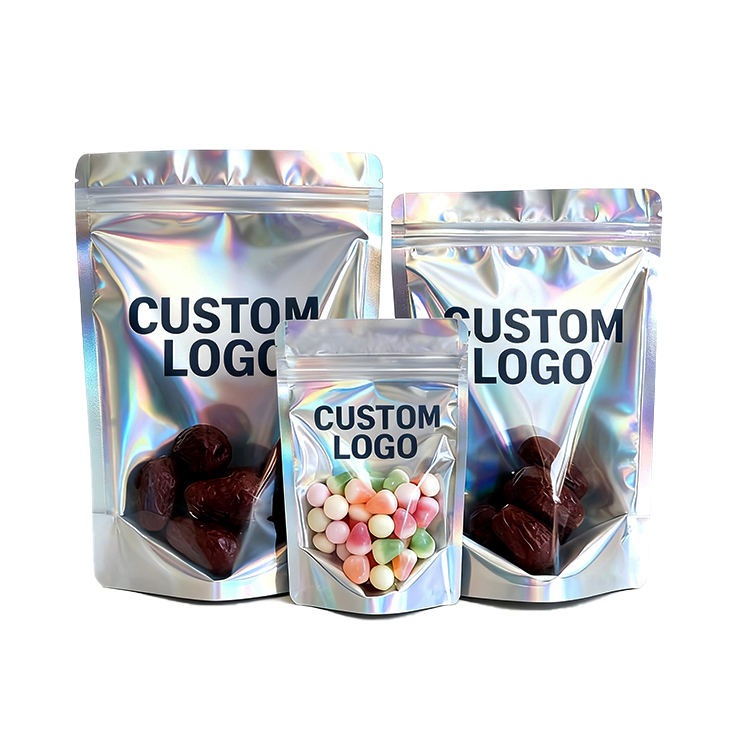
Food wrapping paper is a specialized paper material designed for packaging, storing, and protecting food items. It effectively preserves freshness and maintains hygiene by preventing spoilage and contamination. Additionally, it helps retain the natural flavor and aroma of food, ensuring optimal taste quality over time.

Types of Food Wrapping Paper, Thicknesses, Applications
Food wax paper
Wax paper it mean paper surface cover with a thin layer of wax. After drying, that paper is not stick, and dampproof. It’s commonly used for wrapping sandwiches, covering bowls, and lining baking pans.
Wax paper effectively preserves food freshness and prevents drying.
Plant-based wax paper is compostable and food-safe but has limited heat resistance.
uncoated Four-color printing Offset lithography
Thickness range: 40-80 gsm (base paper + wax coating)


Parchment Paper– food Wrapping paper
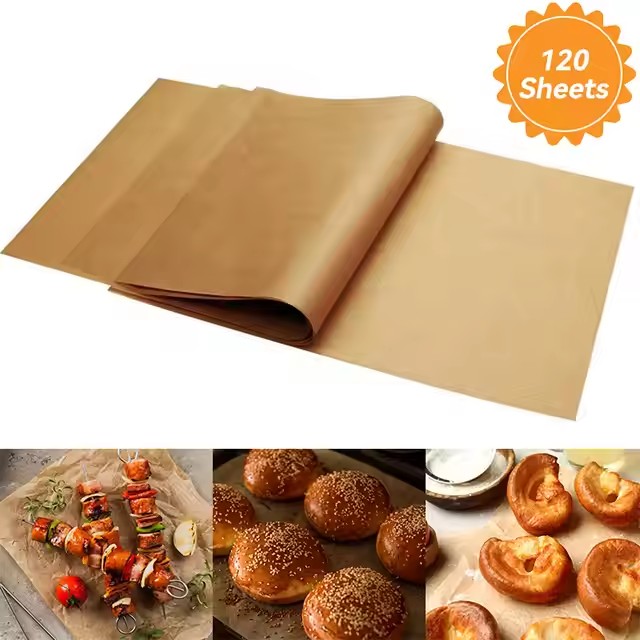
Premium Baking Paper (also called parchment paper/silicone paper) is made of 100% virgin wood pulp. The base paper is parchment paper that both sides are processed by food grade silicone, the so that it is oilproof, waterproof, non-stick and With a heat tolerance up to 450°F (232°C).
All the size, printing and packaging can be done according to customer’s request.
The silicone-coated surface provides excellent release properties and allows reuse, though at a higher cost.
Standard thicknesses (EN12579):
Class A: 65±5μm (standard baking)
Class B: 80±5μm (steam baking)
Class C: 100±8μm (industrial baking sheets)
2. Because of these features, our baking paper is widely used for food cooking, baking, steaming, roasting, grilling, freezing and food wrapping.
All the size, printing and packaging can be done according to customer’s request.
| Thickness Level | Temperature range | Application scenario |
| 45-50um | 220° | Home cookie baking |
| 55-65um | 230° | Commercial bakery |
| 70-80um | 250° | Industrial grade continuous baking |


food Butcher Paper
This thick, durable paper is primarily used for meat wrapping. It helps maintain freshness and contains spills, while also being suitable for sandwiches.
Grades:
Economy: 60-70 gsm (single-ply calendered) for basic meat packaging
Standard: 80-100 gsm (double-ply) for refrigerated meat transport
Heavy-duty: 120-150 gsm (PE-laminated) for wet-aged beef.
| Roll width | 17 inches, 18 inches, 24 inches, 36 inches and custom original equipment manufacturers。 |
| Roll length | 100-500 feet or custom |
| Core | 1 inch |
| Grade: | 100% original food grade |


Aluminum Foil Composite Paper–food Wrapping paper
Composed of thin metal sheets, this material is excellent for wrapping heat-retentive foods and covering dishes during cooking to retain moisture. Commonly used for chocolate, dairy products, and high-temperature food packaging.
Thickness range: 0.05-0.2 mm (including foil layer)
Product Feature of food wrapping paper
| Feature | Description |
|---|---|
| Thickness Range | 0.05–0.2 mm (including foil layer) |
| Environmental | 100% biodegradable, eco-friendly |
| Barrier Properties | Excellent resistance to air, moisture, and puncture |
| Impermeability | High protection against water vapor and gas |
| Surface Design | Beautiful printable patterns available |
| Safety & Hygiene | Non-toxic, tasteless, and hygienic |
| Shelf Life Extension | Helps preserve food freshness longer |
| Liquid Resistance | Greaseproof and non-absorbent to liquids |
| Color Options | Silver, Gold, or Custom (as per customer’s request) |
| Aesthetic Quality | Excellent gloss and brilliant appearance |
| Additional Benefits | Lightweight, moisture-proof, contaminant-resistant, UV-proof |


food Greaseproof paper
Resistant to oils and fats, this non-permeable paper is ideal for wrapping fried foods like fries and pastries, helping maintain freshness and prevent sogginess.
Thickness range: 35-100 gsm (0.035-0.1 mm)


Deli Paper–food Wrapping paper
Deli Wax Paper features a fine texture, commonly used in retail stores and food establishments. It’s ideal for wrapping sandwiches, cheeses, and other deli items, while also preventing food layers from sticking together.
Stock size:30*30cm, 30*40cm, 25*25cm, Fullcustomized.
| Thickness specifications: | Application scenario |
| 30-35μm (≈25-30gsm) | Lightweight packaging (sandwiches, small pastries) |
| 40-45μm (≈35-40gsm) | Standard fast-food packaging (burgers, fried chicken) |
| 50-60μm (≈45-55gsm) | High-grease foods (pizza, grilled meats |


Kraft food wrapping Paper
An eco-friendly packaging solution that’s biodegradable and customizable. Unbleached kraft paper maintains its natural brown color and biodegradability, though with limited oil resistance.
Applications: Paper bags, bread wrapping, dry food packaging
Thickness range: 35-60 gsm.
Stock size we have:40*30cm 30*20cm 40*60cm 50*70cm 60*80cm 70*80cm. Welcome cusotmized size.

Printing & Design Options for Food Wrapping Paper
Printing Methods
Offset Printing: Ideal for high-quality, detailed designs with Pantone color accuracy.
Flexographic Printing: Cost-effective for large rolls with simple logos or patterns.
Digital Printing: Best for small batches with full-color, complex artwork.
Design Features
Food-Safe Inks: Water-based or soy-based inks that comply with FDA/EC standards.
Customizable Elements: Logos, patterns, promotional text, or QR codes.
Finishing Options: Matte/gloss lamination, embossing, or spot UV for premium appeal.
4 Keys to choose Food Wrapping Paper
1. Food Type
Match paper type to food characteristics:
Wax paper for sandwiches
Parchment paper for baking
2. Durability
Select tear-resistant papers for optimal protection:
Kraft and aluminum foil excel in robust packaging。
3. Moisture Resistance
Prioritize papers that preserve freshness:
Wax paper and greaseproof paper offer superior moisture barriers
4. Heat Resistance
For cooking applications:
Parchment and baking papers withstand high temperatures.

Size Format
Choose between:
Rolls (economical for bulk use, require cutting)
Pre-cut sheets (convenient for quick service)


6. Environmental Impact of food wrapping paper
Sustainable options include:
Recycled-content papers
Biodegradable/compostable materials
7. Cost Efficiency
Budget considerations:
Each 10μm thickness increase raises costs by 8-12%
Packaging Formats: Rolls vs. Sheets of food wrapping paper
A. Rolled food wrapping Paper
Advantages:
Cost-effective for high-volume usage
Customizable lengths (e.g., 100m, 500m rolls)
Space-efficient storage
Disadvantages:
Requires dispenser/cutter
Potential tearing with inferior quality
But we choose to adopted a new design with dashedindentation design, easier totear than the than the originalpaper rolls, and safer than theones with serrated packaging.

B. Pre-cut Sheets of food wrapping paper
Advantages:
Immediate readiness for fast-paced service
No cutting required
Disadvantages:
Higher per-unit cost
Greater storage volume

Eco-Friendly & Biodegradable Options
With increasing plastic bans, sustainable alternatives are essential:
A. Compostable food Wrapping Paper
FSC-certified paper + plant-based wax
Decomposes within 3-6 months in industrial composting
B. Recycled Food wrapping Kraft Paper
Contains 30-100% post-consumer waste (PCW)
Chlorine-free processing
Certifications we hold:
OK Compost (TÜV Austria)
FSC Certification
FDA Food-Grade Compliance

Technical Performance Guidelines for Food wrapping paper
Heat Transfer Properties
Thin paper (<50μm): Rapid heat transfer (macarons)
Thick paper (>70μm): Heat retention (artisan bread)
Mechanical Strength Requirements
Automated packaging lines: ≥60gsm to prevent breakage
Manual wrapping: 40-50gsm sufficient.
Frequently Asked Questions & Solutions
Q1: Can parchment paper substitute aluminum foil?
A: Yes, for many applications – though foil provides better heat conduction.
Q2: Is wax paper microwave-safe?
A: No. Microwave use may melt the wax coating and damage appliances.
Q3: Common Issues & Remedies
1
). Grease Seepage in Low-Quality Paper
→
Upgrade to Oil-Resistant Coating
Solution: Replace standard paper with greaseproof variants featuring:
Fluorochemical or silicone-based coatings
Minimum Cobb60 oil resistance value of
≥
12
2
). Tearing During Use (Thin GSM Paper)
→
Switch to 40-60gsm for Enhanced Durability
Technical Specifications:
<40gsm: Prone to rupture (acceptable only for light bakery items)
40-60gsm: Optimal balance for manual handling (deli wraps/sandwiches)
>60gsm: Required for automated packaging lines
3. Print Smudging from Improper Drying
→
Adopt UV-Curable Inks
Process Advantages:
Curing time reduced to 0.5-2 seconds (vs. 4-8 hours conventional drying)
VOC-free formulation complies with EPA Method 24
Achieves 4/5 rub resistance (ASTM D5264 testing)
4. Poor Heat Resistance (Wrong Material)
→
Transition to Parchment Paper (450
°
F Rated)
Material Selection Guide:
Current Material Limitation Parchment Paper Advantage
Wax Paper Melts at 175
°
F Withstands 450
°
F continuous
Standard Kraft Chars at 350
°
F Non-stick silicone surface
Greaseproof Degrades at 400
°
F UL-certified for oven use
Implementation Protocol:
Conduct heat resistance test (ASTM D619-14)
Validate FDA 21 CFR 176.170 compliance
For commercial ovens: Specify reinforced parchment (70+
μ
m)
How to use Food Wrapping Paper
Restaurants and hotel brands can rely on our custom food wrapping paper to prevent leaks and slips while customers enjoy their meals. This grease-resistant, food-grade paper is ideal for wrapping takeout clamshell containers, boxes, plates, and baskets.
Made from durable, acid-free material, it’s perfect for packaging sandwiches, pastries, and more. After use, the paper is 100% compostable, aligning with eco-friendly practices.
Enhance your brand visibility by featuring your logo and branding on the packaging—ensuring a premium dining experience while keeping food fresh and secure.